
Last updated November 25, 2026
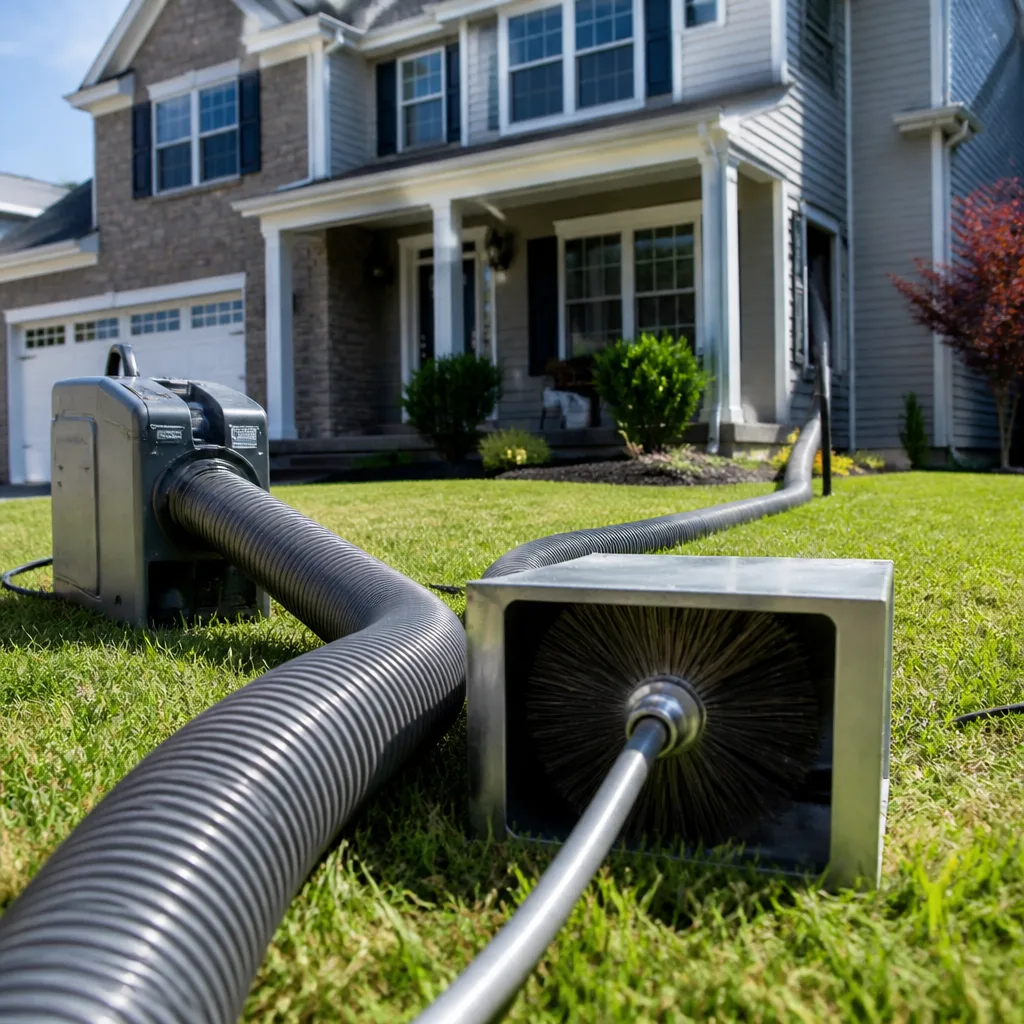 Whole-home duct cleaning
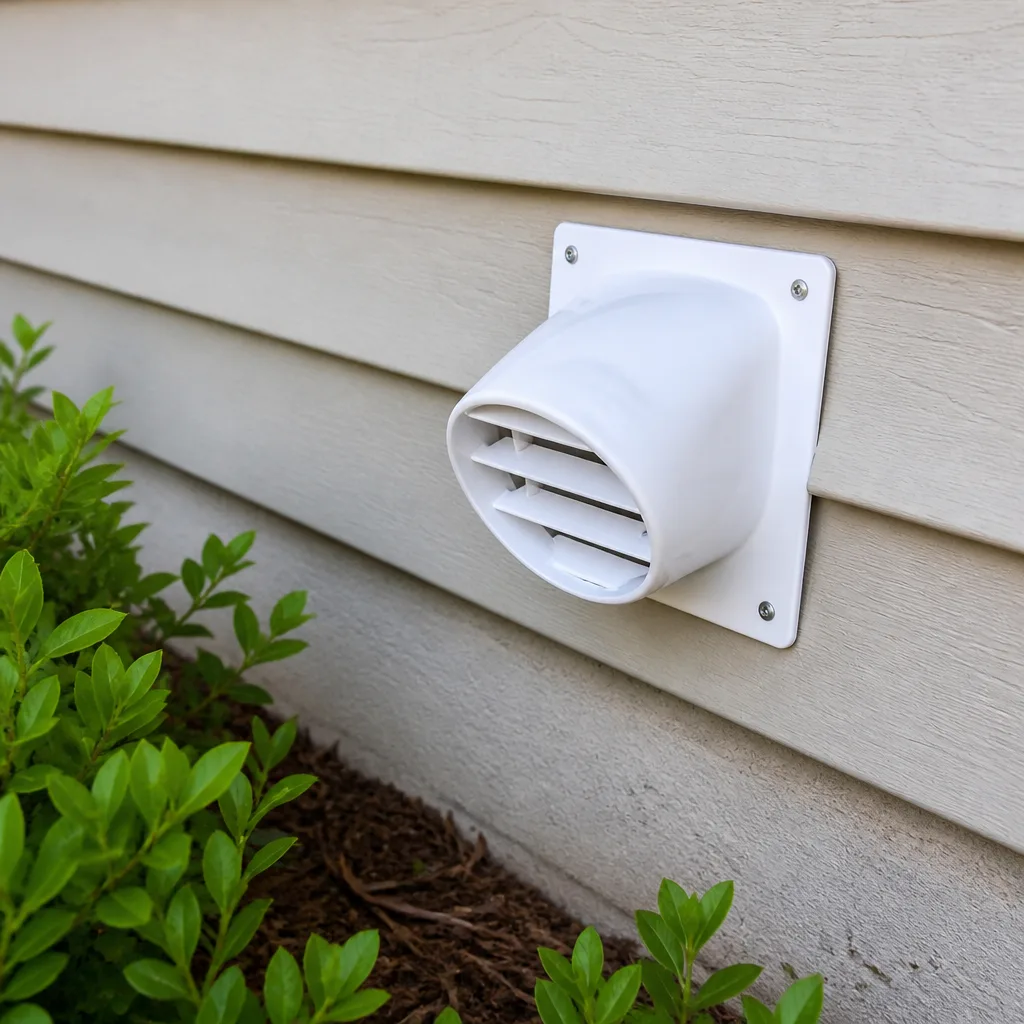 Dryer vent cleaning
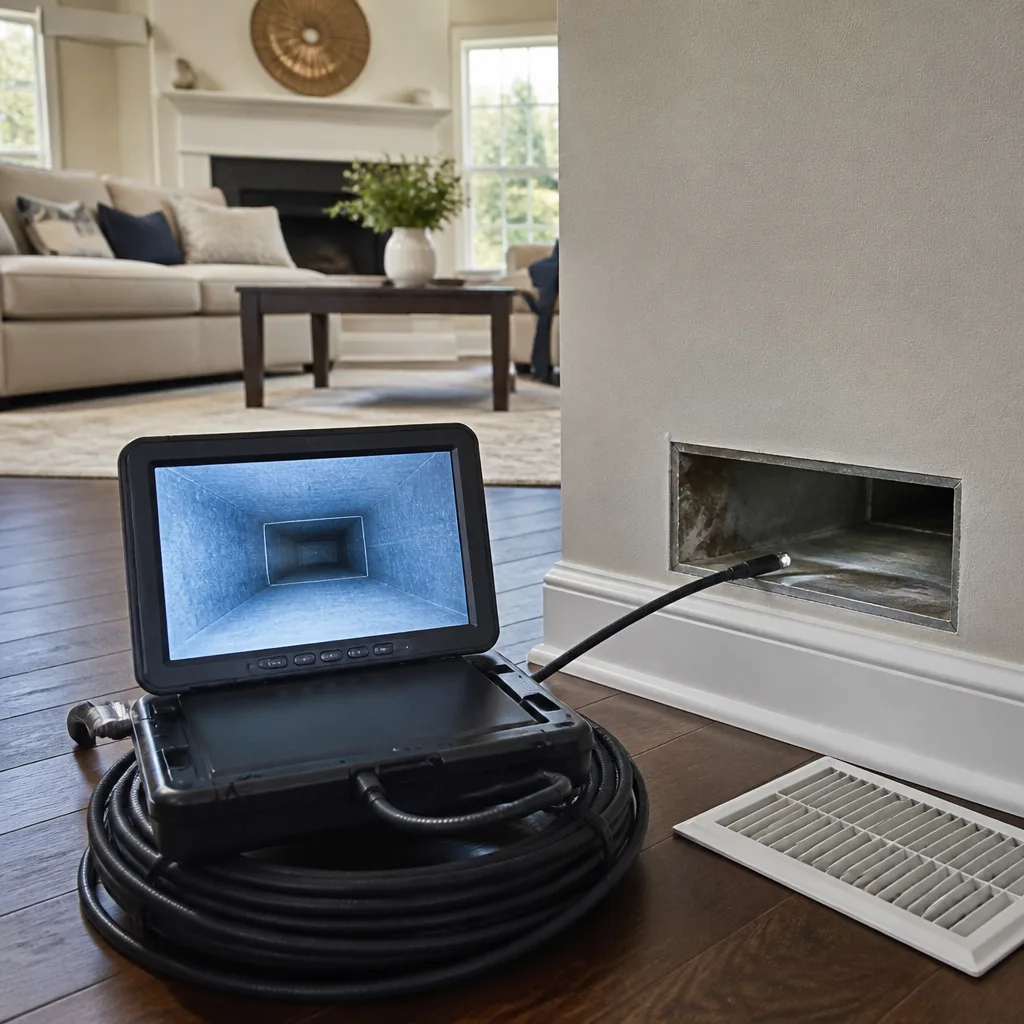 Camera inspection
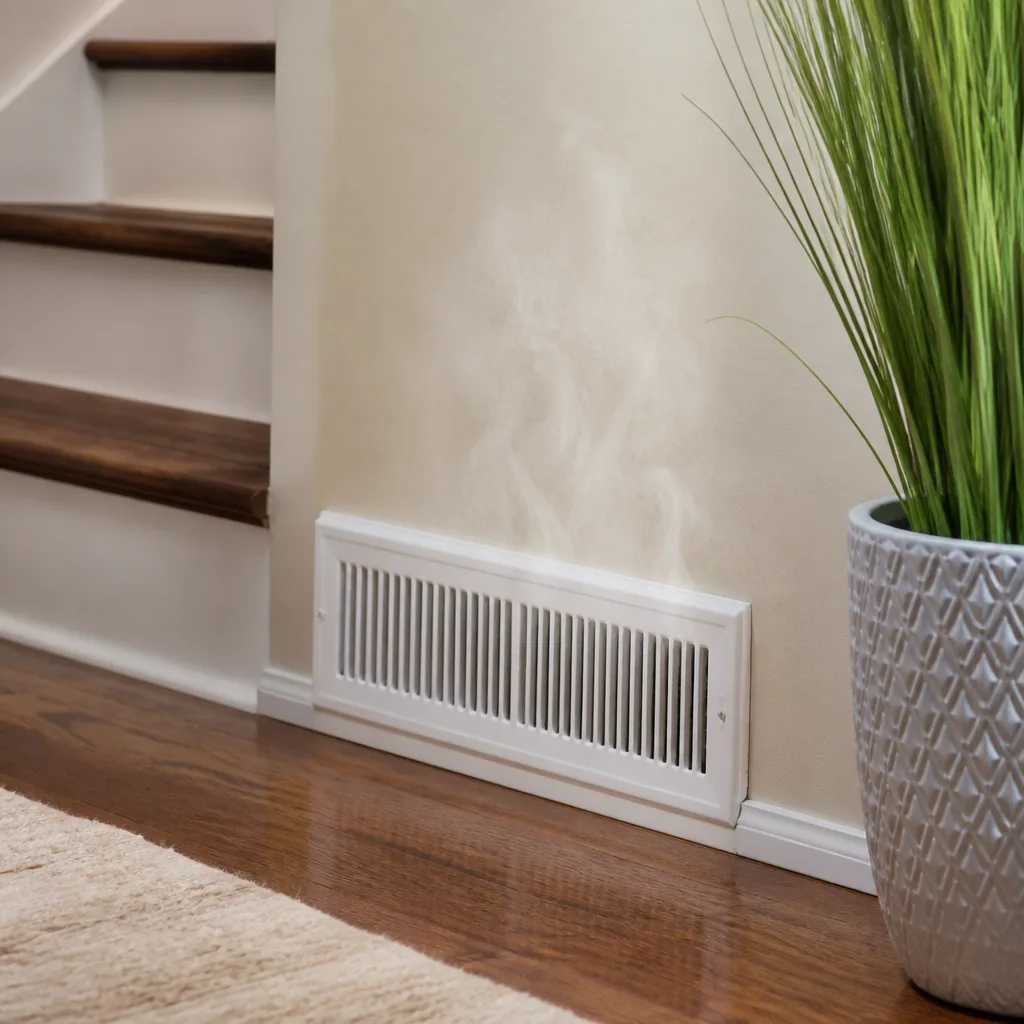 Sanitizing & deodorizing
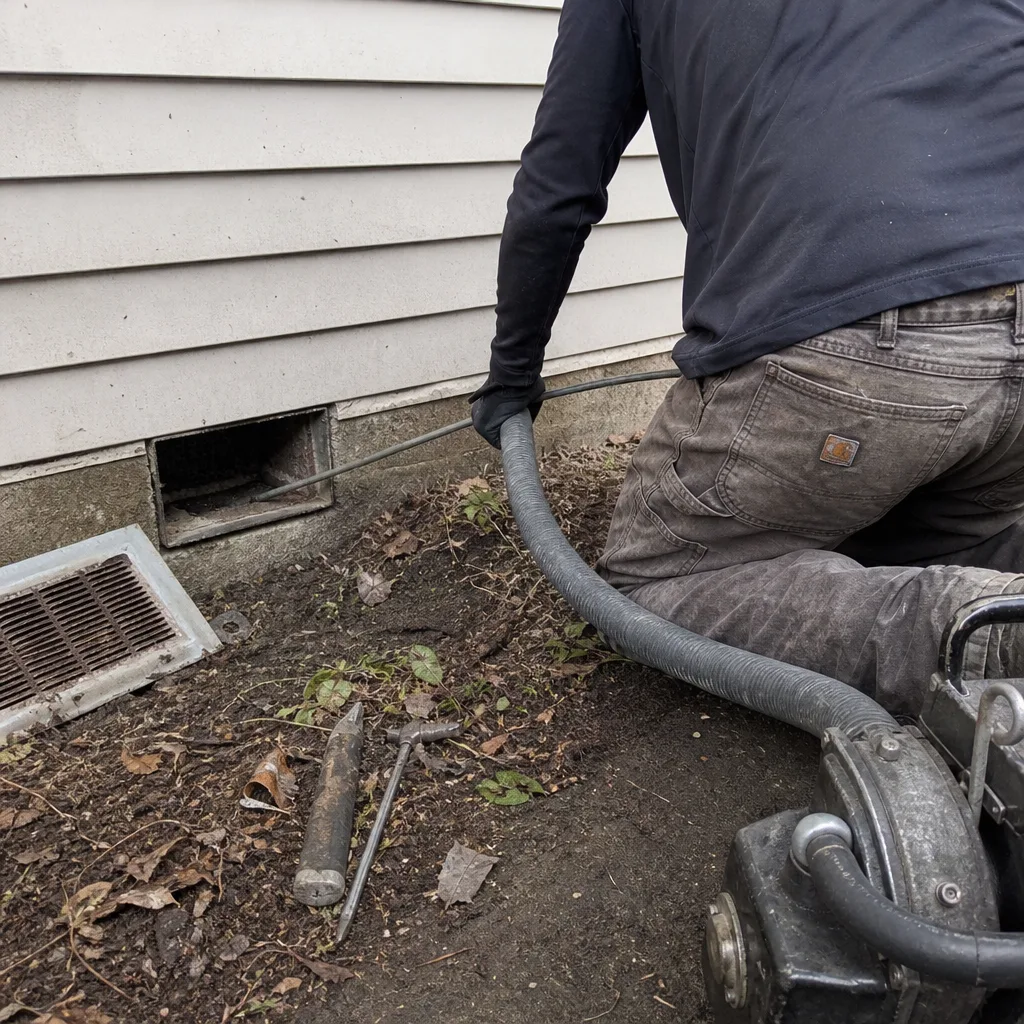
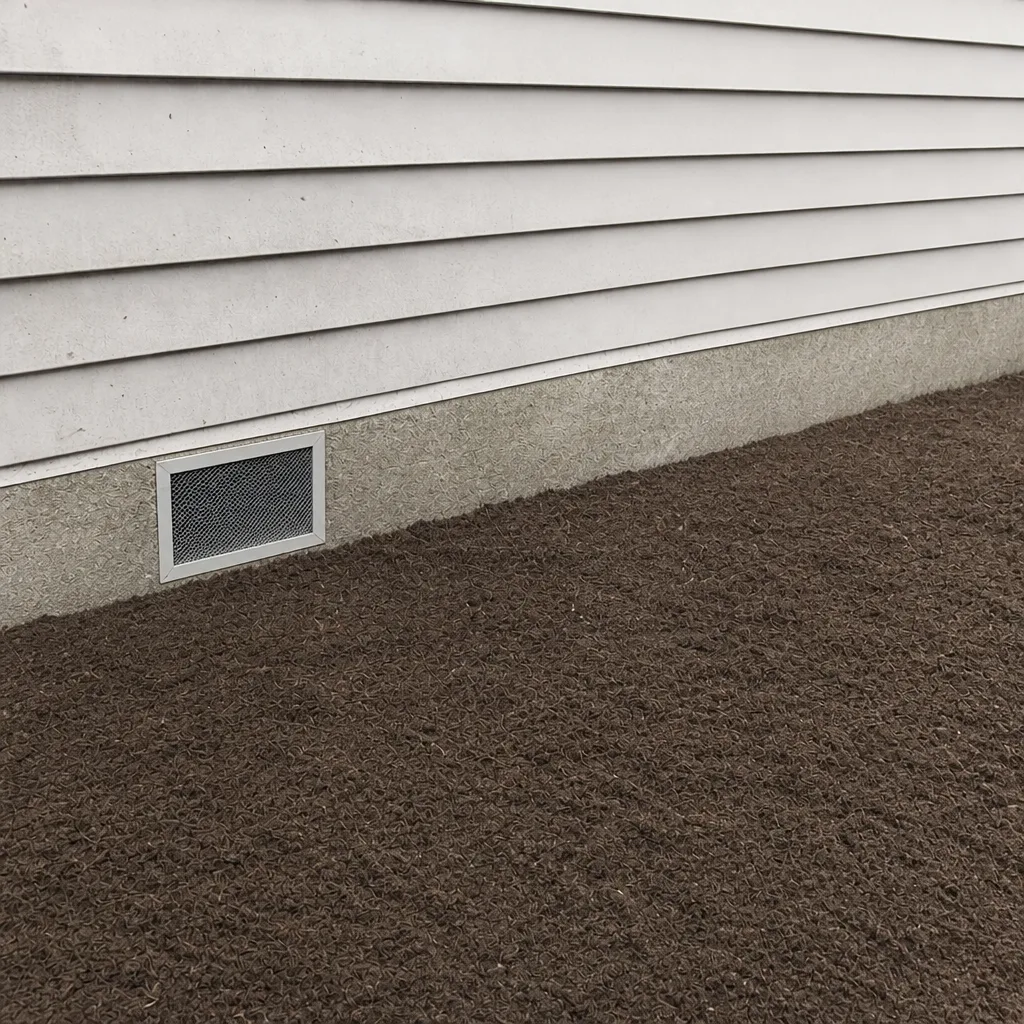
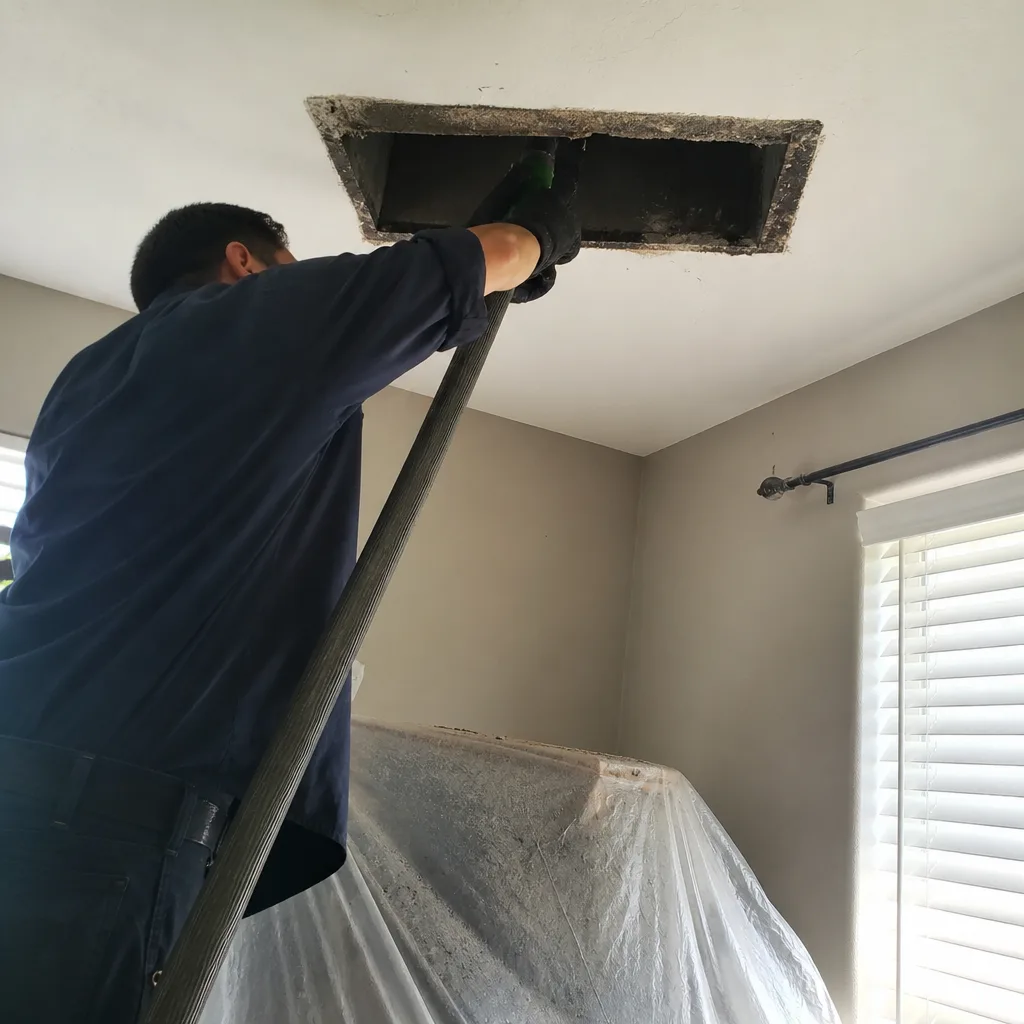
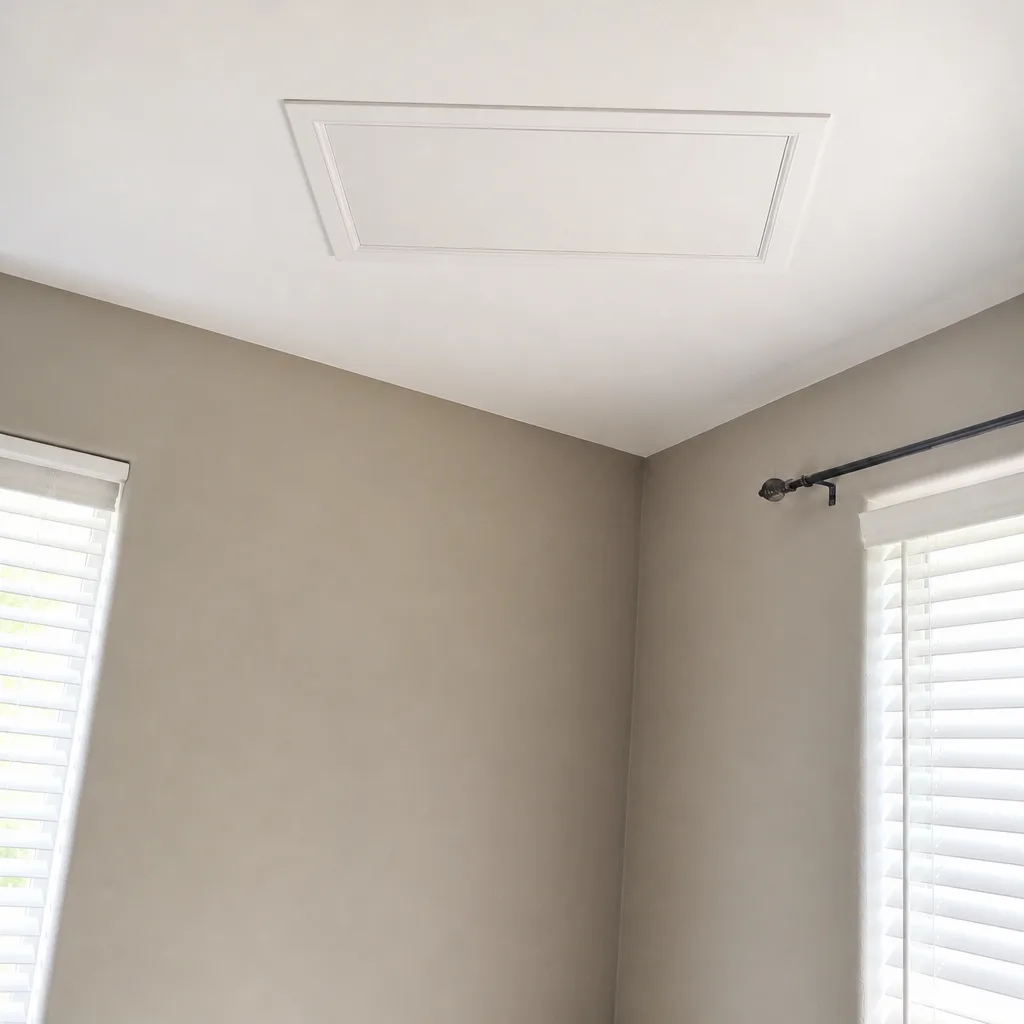
Whole-system duct and dryer vent check with before-and-after photos - you see exactly what came out of your vents
That "$99 whole-house special" is a bait ad - the real number appears once they are in your hallway, or the "clean" is a shop-vac at the register. We photograph the inside of your ducts before and after instead.
Air Duct Cleaning Emergency Preparedness Guide for Auburn Homes
Most homeowners treat ductwork as background infrastructure: invisible, forgettable, someone else’s problem until something goes wrong. That assumption is the mistake. In Auburn, the air inside your ducts is shaped by events outside your house: smoke pushed down the valley from summer wildfires, floodwater creeping up the Green River corridor, windstorms that peel vents off walls, and the occasional rodent that finds a soffit gap. The homes that weather these events best aren’t the newest or the most expensive. They’re the ones where the owner already knew what to switch, what to shut down, and whom to call. This guide walks through each scenario in plain language so that when something happens, you’re working from a plan instead of a panic. We’ll cover HVAC settings during smoke events, the mold clock after flooding, storm debris entry points, contamination that cleaning can’t fix, and how to triage which contractor you actually need first. Keep it somewhere you can find it.
Quick Answer
Air duct emergency preparedness in Auburn means knowing three things in advance: how to switch your HVAC to recirculation or shut it off during wildfire smoke events, what to inspect within 48 hours after any flooding, and which professional to call for each type of contamination. Smoke, floodwater, wind debris, and sewage or rodent intrusion each require a different first move, and getting that first move wrong can cost you a full duct system instead of a cleanup.
Styles & brands we work with
- Whole-home duct cleaning
- Dryer vent cleaning
- Camera inspection
- Sanitizing & deodorizing
Table of Contents
- Wildfire Smoke Protocol for Auburn HVAC Systems
- Post-Flood Duct Response in Auburn’s Green River Corridor
- Storm Debris Intrusion: What to Check After Windstorms
- Sewage and Rodent Contamination: When Cleaning Isn’t Enough
- Who to Call and in What Order
- Building a Duct Emergency Kit for Your Auburn Home
- Common Mistakes to Avoid
- When to Call a Professional
Wildfire Smoke Protocol for Auburn HVAC Systems
During the 2020 wildfire smoke events, Auburn’s outdoor air quality index hit hazardous levels for 11 consecutive days. The homes with the worst indoor air during that stretch weren’t the ones with the oldest systems. They were the ones where the HVAC was running on its default settings, pulling outdoor air in and recirculating it through a filter that hadn’t been changed in a year. If you live in Auburn, this isn’t a hypothetical. It’s a recurring summer pattern.
Your HVAC system has a few operating modes, and which one you choose during a smoke event matters more than any air purifier you can buy mid-crisis.
- Check whether your system has an outdoor air intake. Some systems draw in outside air by design. If yours does, it needs to be closed or dampened off during a smoke event. Your owner’s manual will tell you, or a technician can confirm it during a routine visit.
- Switch the thermostat to “fan on” or recirculation mode if you have it. Recirculation keeps the same indoor air cycling through your filter instead of pulling in new outdoor air. Not every system has this option; check before you need it.
- Run the system only if your filter is clean. A loaded filter during a smoke event is worse than no filter, because it restricts airflow and lets particulate bypass at the seams. Change it at the start of smoke season, not after.
- Shut the system down entirely if the outdoor AQI is extreme and your home is sealed tightly. In some cases, a closed house with a fan off will hold better air quality than a running system that can’t filter at the level of a wildfire event. Use your judgment and a portable HEPA unit if you have one.
- Inspect ducts after the event ends. Smoke residue can settle on duct walls and on the evaporator coil. A post-event inspection should check both.
The most important thing you can do for wildfire smoke readiness in Auburn is know your own system before the smoke arrives. If you’re not sure how yours is configured, our air duct cleaning and inspection service can document the setup so you’re not guessing. See what’s inside your ducts before and after; the before-photos are the ones that tell you whether a system is actually sealed and clean enough to handle a bad smoke season.
Post-Flood Duct Response in Auburn’s Green River Corridor
Auburn’s flood history is not a quiet one. The Green River has a long record of flooding low-lying neighborhoods, and when it does, the water often reaches crawlspaces, basements, and the floor-level ductwork of homes in the floodplain. What most homeowners don’t realize is that ductwork exposed to floodwater is a covered, dark, humid space; exactly the conditions where mold can establish itself quickly. If floodwater has reached your ducts, the clock starts the moment the water recedes.
The 48-hour window. In our experience working through flood recovery in Auburn, the difference between a duct system that can be dried and cleaned and one that has to be replaced often comes down to how fast the drying process begins. Mold can begin to colonize a wet surface within 24 to 48 hours. That doesn’t mean you’ll see it, but it does mean you shouldn’t wait a week to call someone about it.
Here’s how a post-flood duct response usually unfolds:
- Document everything before touching anything. Photograph standing water, waterlines on duct walls, and any visible debris inside the registers. Your insurer will want these photos, and they’re easier to take now than after cleanup.
- Turn off the HVAC system until ducts have been inspected. Running a system with flood-contaminated ducts will distribute moisture and contaminants through the living space. Don’t.
- Get a professional inspection within the first 48 hours. A duct cleaning specialist with remediation-level equipment – Abatement Technologies containment equipment, for instance – can determine quickly whether the ducts are salvageable or whether a full remediation is required.
- Understand cleaning versus remediation. Cleaning removes visible debris. Remediation addresses the microbial problem: containment, antimicrobial treatment, and verification. If your ducts have been underwater, cleaning alone is not the answer, and anyone who tells you otherwise is either misinformed or selling you short.
- Consider duct repair and sealing after remediation. Floodwater often compromises duct seams. Any Auburn Air Duct Cleaning Co service visit that follows a flood event should include a sealing check, not just a clean.
Floodwater in Auburn homes sits in duct systems that are often original to the house, unsealed, and running through unconditioned space. Those are the systems that take the longest to dry and the ones most likely to develop problems after a flood. Get the inspection done before the smell tells you there’s a problem.
Storm Debris Intrusion: What to Check After Windstorms
Auburn gets windstorms. Not hurricane-force, but enough to peel shingles, break branches, and occasionally drop a limb or a tree onto a roof or a wall. When that happens, the concern isn’t just the roof. The ducts that run through the attic or along the exterior wall can take damage that doesn’t show up as a leak inside the house until months later.
After a significant wind event in Auburn, check these three things before you run your HVAC system:
- Exterior vent terminations. The grilles and hoods where your ducts meet the outside can be bent, detached, or pushed inward by wind or debris. A vent that’s hanging loose is an open door for water, insects, and debris. Look at the vent covers on your roof and on exterior walls. If anything looks off, photograph it and call.
- Duct runs in the attic. If a branch or tree has contacted the structure, walk the attic (carefully) and look for crushed flex duct, torn insulation, or disconnected joints. A crushed duct doesn’t just lose efficiency; it can push conditioned air into the attic and pull attic air into the house.
- Filter bypass after any roof event. Vents and gaps that bypass your filter entirely are the most common entry points for debris. If a tree has come near the roofline, ask a technician to check whether any duct connection has opened up between the filter and the register.
Debris that lands on the roof isn’t the problem. Debris that makes it past an exterior vent and into the duct run is. Once it’s inside, it’s not coming out with a shop vac, no matter what your neighbor says. Professional equipment like a Rotobrush rotary brush system exists specifically because duct debris clings to the walls and has to be mechanically dislodged, not just vacuumed past.
The other thing we see after Auburn windstorms: cracks at the plenum and at duct collars that were already marginal before the wind. Our HVAC cleaning service includes an inspection of those connection points, and our duct repair and sealing capability means we can fix what we find in the same visit rather than leaving you to call someone else.
Sewage and Rodent Contamination: When Cleaning Isn’t Enough
Not every contaminated duct system can be cleaned. Some need to be replaced, and knowing the difference before you spend money on a cleaning that won’t fix the problem is the most useful thing this section can tell you.
Sewage backups. If a sewer line has backed up and contaminated ductwork (this can happen when ducts run through a crawlspace that takes on sewage, or when a sump failure pushes contaminated water into a low duct run), cleaning alone is not a defensible solution. Sewage contains pathogens that survive standard cleaning. The defensible answer is removal and replacement of the affected duct sections. Your insurer will want documentation: photos of the affected ducts, a written scope from a qualified contractor, and confirmation of the specific contamination source. Get those three things before disposal begins.
Rodent contamination. Rodents inside ductwork leave behind droppings, urine, nesting material, and dander. In our experience, a light intrusion in the filter area or a single register can often be cleaned and sanitized with Guardsman-grade treatments. A heavy infestation – rodents accessing the trunk line, nesting inside the duct run, evidence throughout multiple rooms – usually calls for replacement of the affected sections. Cleaning a heavily infested duct is a temporary measure at best, and the smell and allergen load will return.
Here’s what documentation for insurance claims typically needs to include:
- Photographs of the affected duct interior before any cleaning or removal
- Written scope of work naming the contamination type and the proposed remedy
- Confirmation of whether the ducts can be salvaged or must be replaced
- Dates and details of the triggering event (backup, flood, verified rodent entry point)
We can work with your insurer to document what we find, but the decision about whether the ducts get cleaned or replaced is made on the evidence, not on what’s cheapest. If a competitor is telling you a cleaning will solve a sewage backup, get a second opinion before you sign.
Who to Call and in What Order
This is the question most Auburn homeowners get wrong, and it’s the one that costs the most time. The order depends entirely on what kind of emergency you’re dealing with.
Wildfire smoke event: HVAC contractor or duct specialist first. If your system’s configuration is unclear, an inspection is the priority.
Flooding: First, water damage remediation (to extract water and dry the structure). Second, duct inspection (within 48 hours). Third, duct cleaning or remediation based on what the inspection finds. Fourth, duct repair or sealing if seams have been compromised.
Storm damage: Roofer first (if the structure is compromised). Second, duct inspection for entry points and debris.
Sewage backup: Water damage remediation first. Then a duct specialist who can document and either remediate or advise replacement.
Rodent intrusion: Pest control to seal entry points first. Then duct cleaning and sanitizing. If the intrusion is heavy, expect a conversation about partial replacement.
We offer all five of our services – air duct cleaning, dryer vent cleaning, HVAC cleaning, duct repair and sealing, and air quality and sanitizing – which means we can often document the whole picture in a single visit rather than piecemealing across contractors. Our technicians have up to 15 years of experience with the equipment, and the equipment is the kind that commercial HVAC contractors use. If your system is pulling smoke, water, or debris into your living space, we’d rather see it once, correctly, than twice with two different opinions.
Building a Duct Emergency Kit for Your Auburn Home
Preparedness for air quality emergencies is cheap and it takes an afternoon. Put these things together before you need them:
- Photographs of your HVAC setup. Take photos of your filter, thermostat settings, and the exterior vent locations. Store them on your phone. When the smoke is thick or the floodwater is rising, you’ll want to look at a photo instead of crawling around the attic.
- Two spare filters of the correct size. Write the size on the edge of the filter in the unit right now. Buy two more and store them.
- A portable HEPA air purifier with a load of spare filters. This supplements your HVAC during smoke events when you shut the system down.
- N95 masks in a sealed bag. For when you’re inspecting ducts or moving debris after a storm.
- The number for a duct specialist, a water damage remediation company, and your HVAC contractor. Write them down. Save them in your phone. Don’t plan to search for them at 9 pm during a flood.
- A paper copy of your homeowner insurance policy’s declaration page, stored in a waterproof bag. You will not be digging through a filing cabinet after a flood.
Air quality products from Honeywell and Aprilaire can integrate with your HVAC system after a cleaning to improve filtration and reduce exposure to smoke and fine particulates on an ongoing basis. That’s a conversation to have before the next smoke season, not during one.
Common Mistakes to Avoid
- Running your HVAC at default settings during a smoke event. If your system can pull in outdoor air, running it without checking the settings means you’re recirculating smoke into every room. Confirm the configuration before the smoke arrives.
- Waiting a week to inspect ducts after a flood. In Green River corridor neighborhoods, the difference between salvageable and replaceable ducts is often measured in hours. Get an inspection within the first 48 hours.
- Believing a cleaning solves sewage contamination. Sewage requires replacement of affected duct sections and full documentation. Anyone promising otherwise is selling you a second problem.
- Skipping the duct inspection after a wind event because the roof looks fine. Compromised ducts and open vent terminations don’t announce themselves. Check the attic, exterior vents, and filter area even if the roof is intact.
- Hiring a general cleaning service for a remediation-level job. Consumer-grade equipment can’t handle mold containment or heavy contamination. Ask what equipment will be used and whether the contractor has remediation capability.
- Skipping documentation for insurance claims. Photograph everything before cleanup. An insurer is far more likely to approve a claim with clear before-and-after documentation.
- Assuming a duct cleaning replaces a duct sealing. Cleaning and sealing are separate services. In Auburn’s housing stock, where ducts often run through unconditioned attic and crawlspace, sealing is frequently what the system actually needs to perform.
When to Call a Professional
Some duct problems are obvious: visible mold growth after a flood, an exterior vent that’s been torn off by a storm, a sewage backup that reached the crawlspace, or evidence of heavy rodent infestation in the trunk line. Those aren’t cleaning jobs. Those are remediation or replacement decisions that require a trained eye, professional containment equipment, and documentation. But there are quieter triggers too. If your ducts have been exposed to floodwater, if you’re in the Green River corridor and the river has been high, if a significant windstorm has affected your property, if the system has been running through a bad smoke event without a fresh filter, or if you’re buying a home in Auburn and don’t have a record of the last duct cleaning, an inspection is worth scheduling. Our technicians have up to 15 years of experience with this exact kind of work.
Auburn Air Duct Cleaning Co offers free estimates in Auburn. Call (877) 792-5686.
See the difference
 Before
 After
 Before
 After
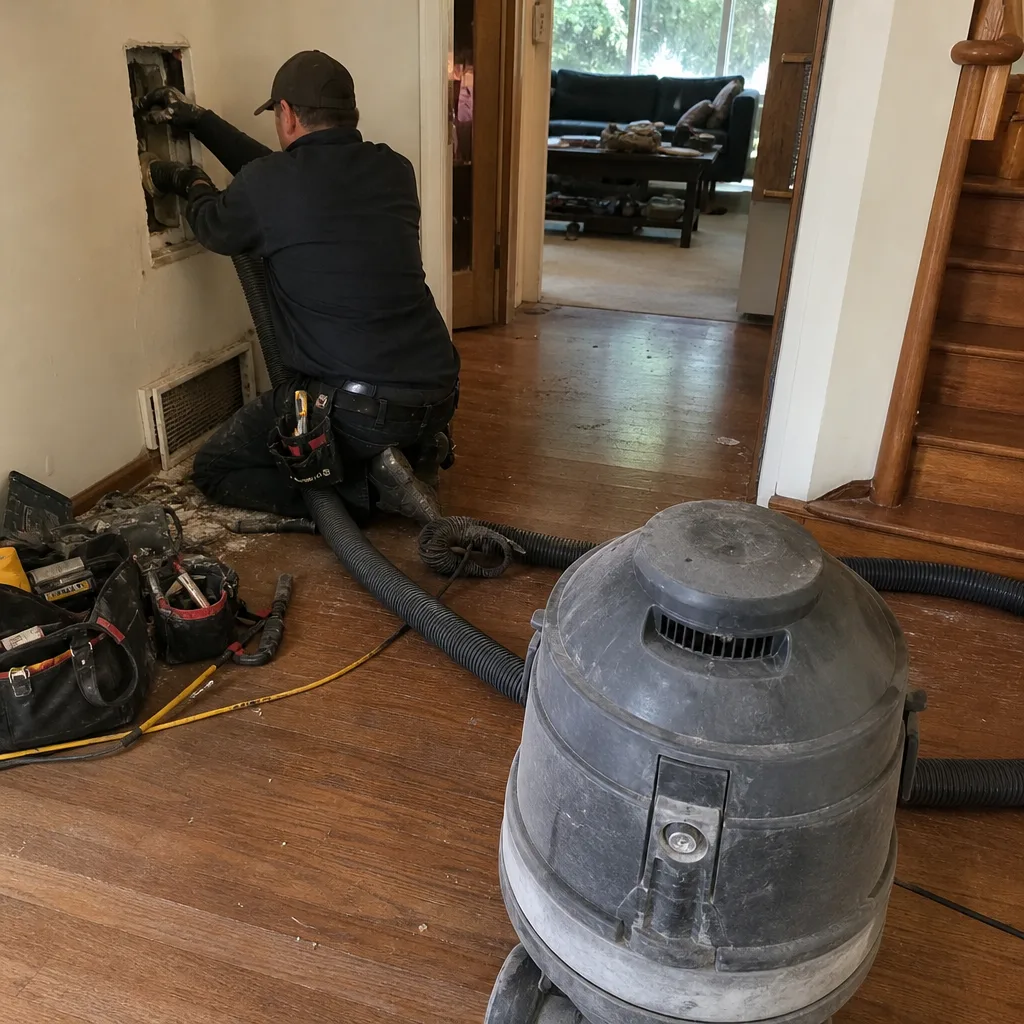 Before
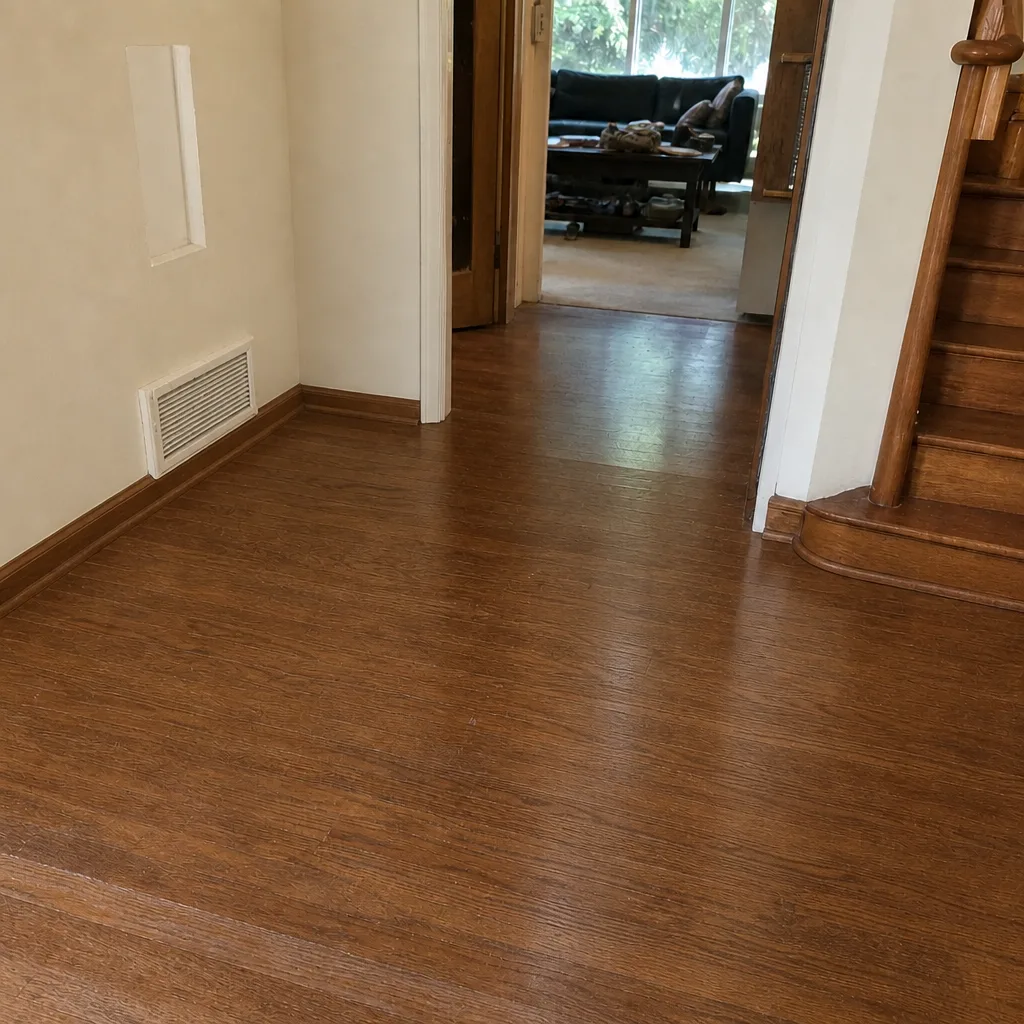 After
Frequently Asked Questions
It depends on your system. If your HVAC can be switched to recirculation mode and the filter is fresh, running it can help by filtering air that’s already indoors. If your system pulls in outdoor air and can’t be switched, running it will bring smoke inside, and in that case it’s better to shut it down and use a portable HEPA unit. Call us at (877) 792-5686 if you’re not sure how your system is configured – we inspect this regularly during wildfire season.
Mold can begin colonizing a wet surface within 24 to 48 hours, which is why the first 48 hours after floodwater reaches your ducts matter so much. Cleaning a duct system that has been wet for a week is a very different job than cleaning one that was addressed within the first day or two. Call us at (877) 792-5686 for an inspection as soon as the water recedes.
No. Sewage-contaminated ducts require removal and replacement of the affected sections, along with full documentation for your insurance claim. Cleaning alone does not eliminate the pathogens involved, and a contractor who tells you otherwise is doing you a disservice. We can inspect and document the contamination so you know exactly what’s required. Call (877) 792-5686 to schedule.
Check the exterior vent terminations for damage, then look at ducts in the attic for crushed flex duct or disconnected joints, and finally check the filter area for any bypass gaps. If a tree or limb has contacted the roof or wall, get a professional inspection even if everything looks intact from the ground. Call (877) 792-5686 and we’ll come look.
These are two different jobs. Cleaning removes debris from duct walls; repair and sealing fix leaks, disconnected joints, and compromised seams. Most post-flood or post-storm duct work in Auburn homes actually requires both. Our inspection will tell you which applies before any work begins, with a written estimate. Call (877) 792-5686 for a free assessment.
Yes. Smoke residue settles on duct walls and on the evaporator coil even when you don’t smell it. Many Auburn homes had smoke exposure through the 2020 events without any indoor signs, and the residue is what shows up in a professional inspection. See what’s inside your ducts before and after; the before-photos are the ones that tell you whether your system carried a load of smoke it didn’t fully clear. Call (877) 792-5686 for a free estimate.
The Bottom Line
Air duct emergencies in Auburn follow a pattern: smoke arrives, water rises, wind hits, wildlife gets in. The homeowners who come through these events with the least damage are the ones who prepared before them, not during them. Know your HVAC settings for smoke season. Get a duct inspection within 48 hours of any flooding. Check exterior vents and attic ducts after every windstorm. Take photos before anyone cleans anything. Know when cleaning is the answer and when it isn’t. And know whom to call first, second, and third. That’s the whole plan.
Call Auburn Air Duct Cleaning Co at (877) 792-5686 for a free estimate. We answer 24/7. Fast dispatch from 7am to 7pm, Sunday through Friday.
Written by the team at Auburn Air Duct Cleaning Co.