
Last updated November 25, 2026
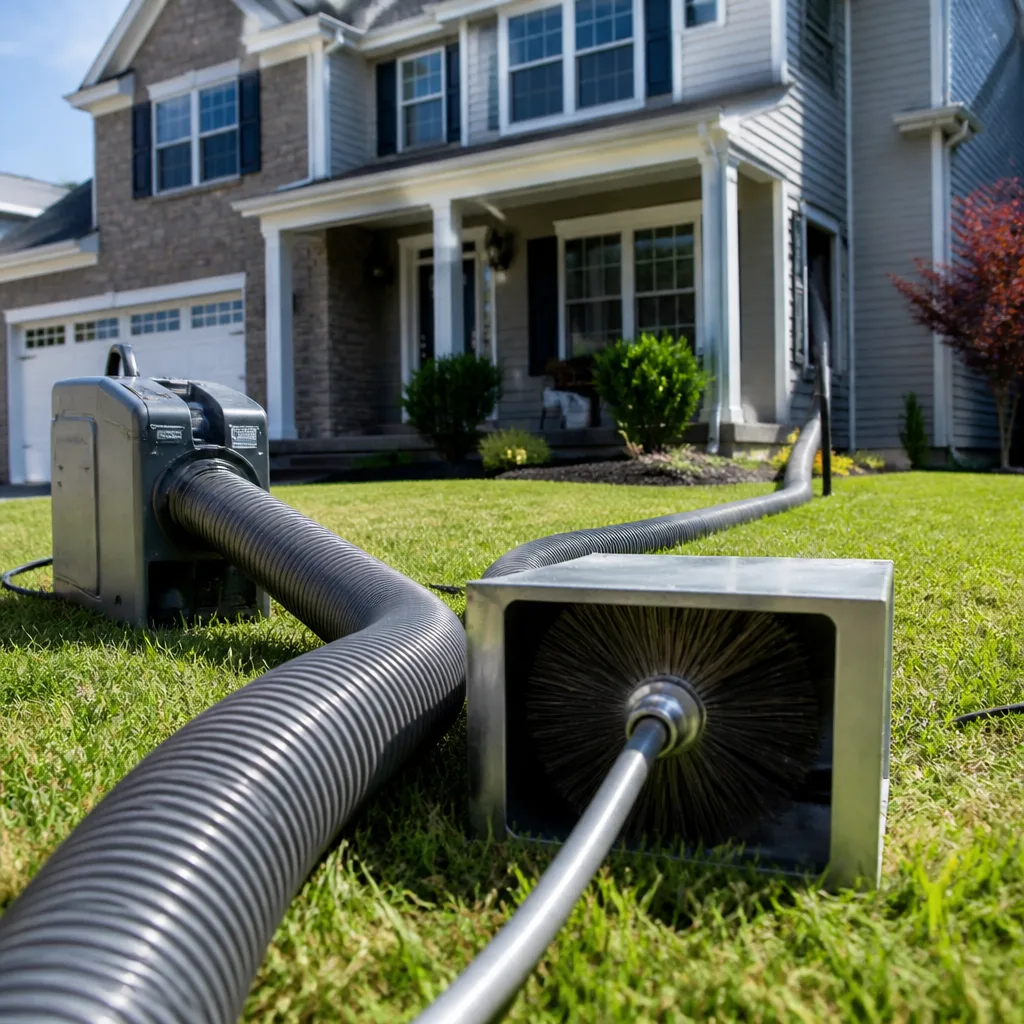 Whole-home duct cleaning
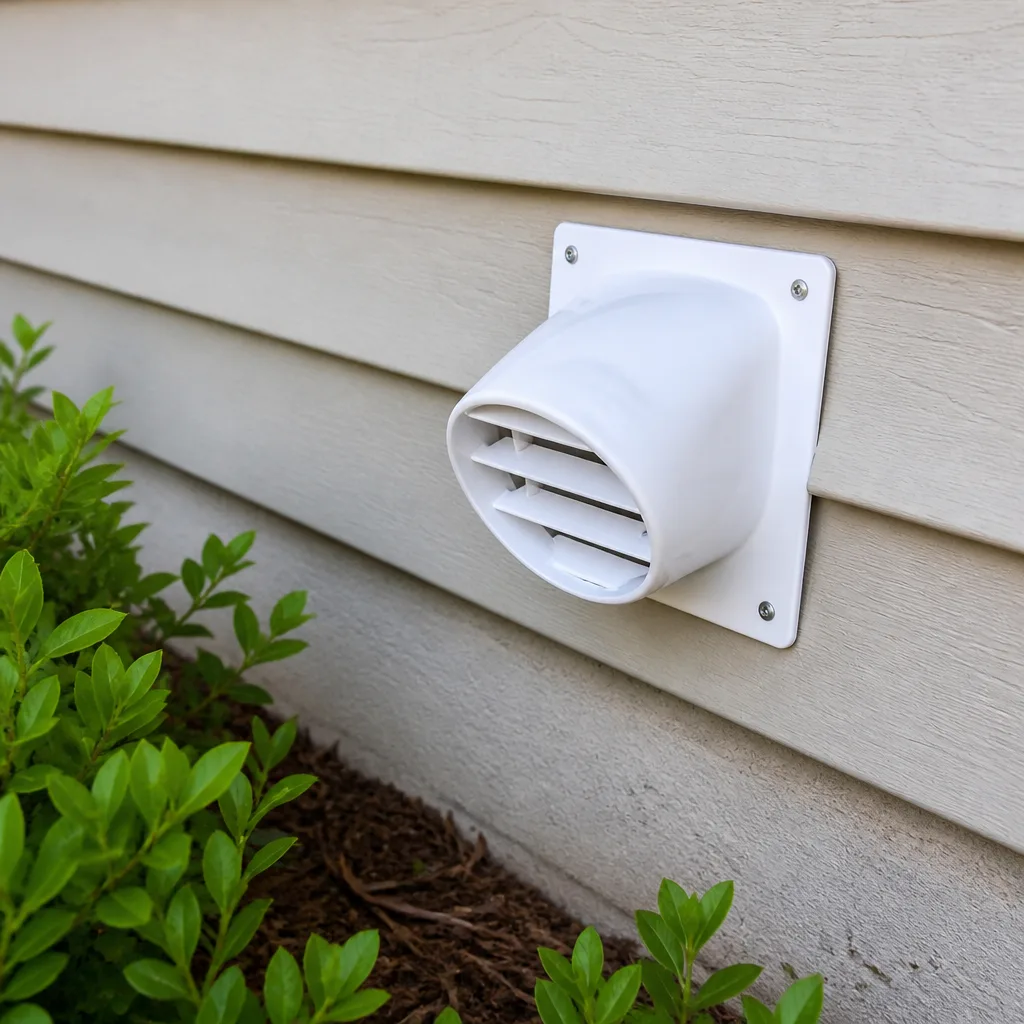 Dryer vent cleaning
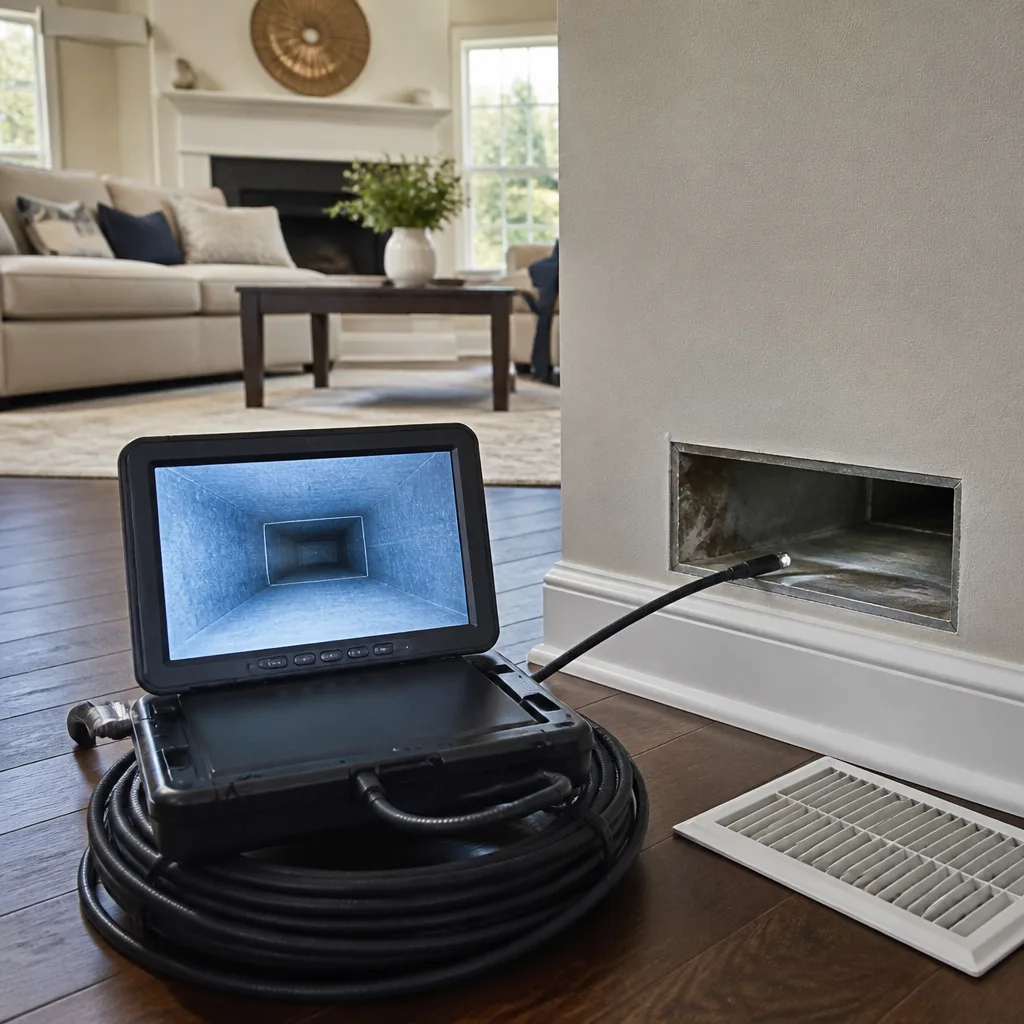 Camera inspection
 Sanitizing & deodorizing
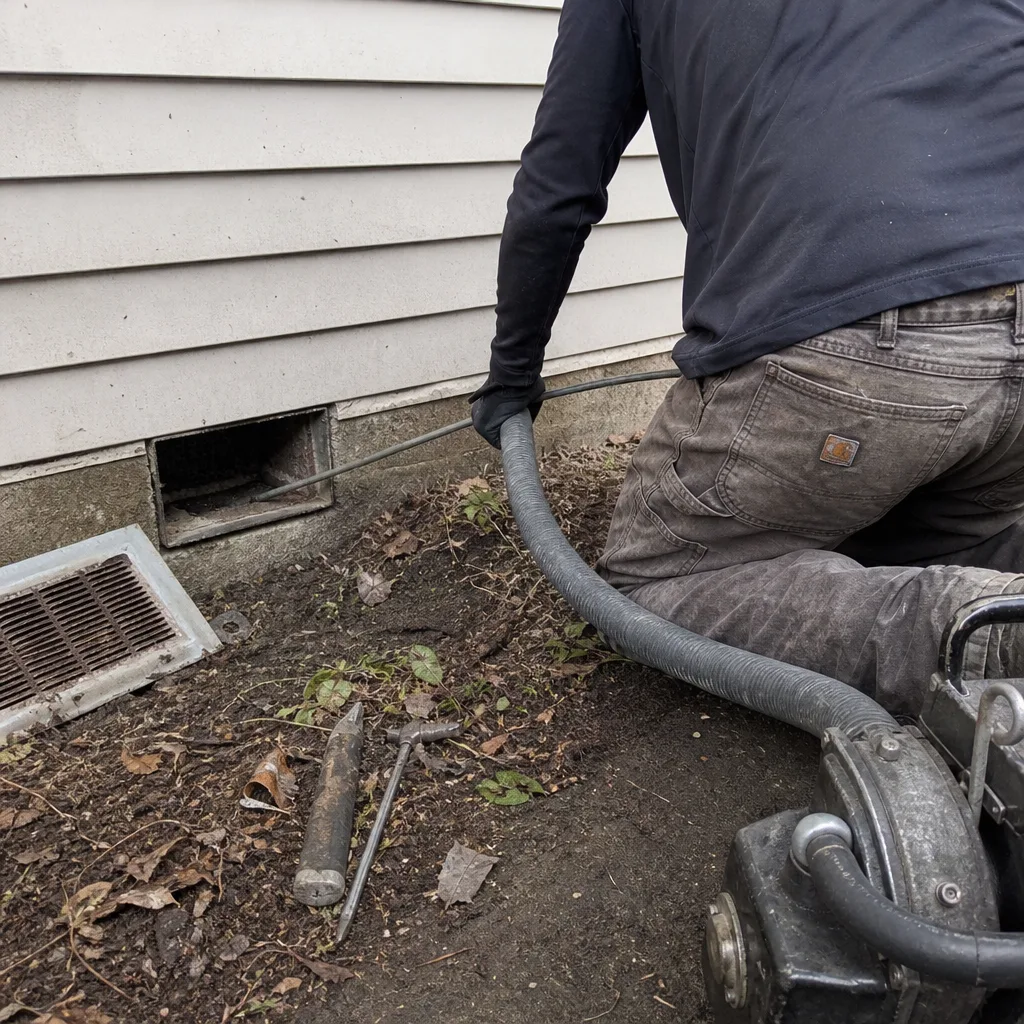
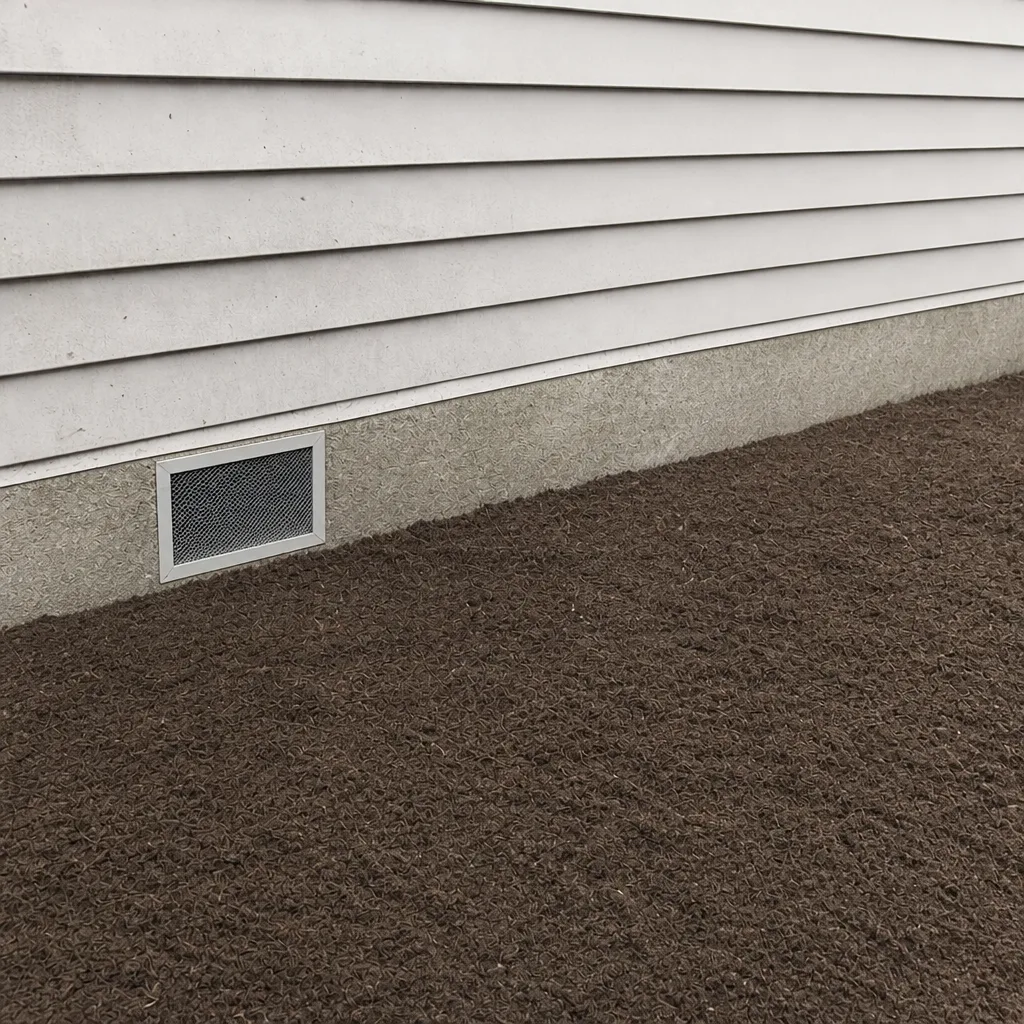
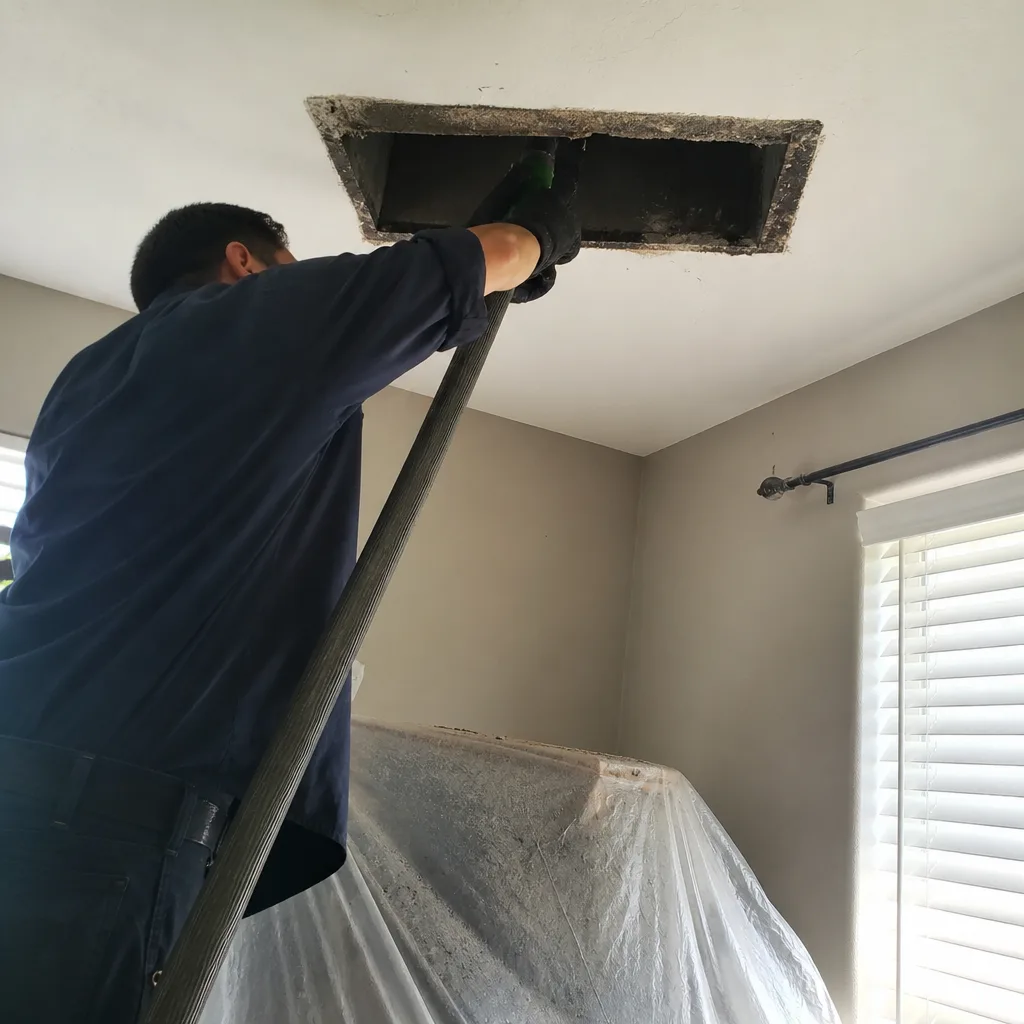
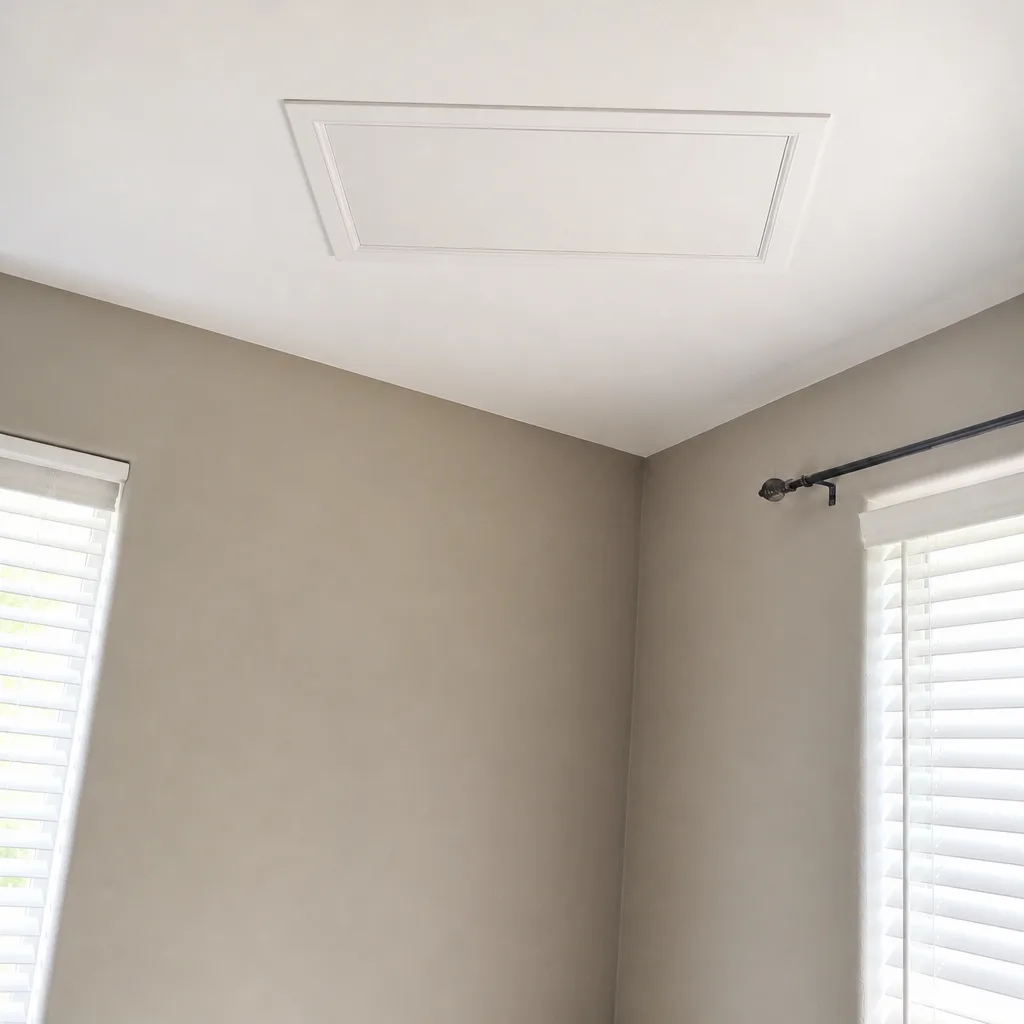
Whole-system duct and dryer vent check with before-and-after photos - you see exactly what came out of your vents
That "$99 whole-house special" is a bait ad - the real number appears once they are in your hallway, or the "clean" is a shop-vac at the register. We photograph the inside of your ducts before and after instead.
Air Duct Cleaning Maintenance Checklist for Auburn Homeowners
Most duct maintenance advice treats your system like an oil change: clean it every set number of years and forget it. That’s the wrong model for an Auburn home. Ducts here don’t degrade on a calendar schedule. They degrade based on how much moisture sits in your crawl space, how much wood smoke drifts through your neighborhood during an inversion, and whether your system’s airflow was balanced properly when it was installed. A time-based rule either has you paying too early or catching a mold problem a full year too late. This guide is built around the condition-based triggers that actually apply to houses in Auburn, and it shows you what to check, what to document, and what to confirm after a professional cleaning before you sign off.
Quick Answer
A maintenance checklist for air ducts in Auburn should start with a crawl-space moisture inspection, move through condition-based triggers (visible mold at registers, musty smell at first heat, uneven room temperatures), and end with a written record of what was cleaned and what the airflow looked like afterward. Calendar rules like “clean every three years” are a starting point at best; the real schedule depends on what your specific system shows you at inspection.
Styles & brands we work with
- Whole-home duct cleaning
- Dryer vent cleaning
- Camera inspection
- Sanitizing & deodorizing
Table of Contents
- Why Calendar-Based Cleaning Misses the Mark in Auburn
- The Crawl-Space Moisture Check That Comes Before Any Inspection
- Condition-Based Triggers: When Your Ducts Are Actually Telling You Something
- Filter Change Intervals Calibrated to Auburn’s Seasonal Air
- What to Document Between Professional Cleanings
- How to Verify the Work Before You Sign Off
- A Seasonal Walkthrough for Auburn Homes
- Common Mistakes to Avoid
- When to Call a Professional
- Frequently Asked Questions
- The Bottom Line
Why Calendar-Based Cleaning Misses the Mark in Auburn
The “every three to five years” rule that circulates through HVAC advice columns assumes a fairly stable interior environment. Two homes can sit side by side in Auburn on the same street and have wildly different duct hygiene trajectories. The variable isn’t the calendar. It’s how the individual house handles moisture and how much particulate load the system sees.
Consider what a schedule-based approach gets wrong. A homeowner on a hill above the valley floor with a sealed crawl space and a high-efficiency furnace filter might genuinely go five years between cleanings and stay well within reason. A homeowner a few blocks down with a vented crawl space that takes on standing water every wet season could need duct inspection inside of two years after the last cleaning. Same city, same climate zone, two different answers.
The reason to move away from the calendar is straightforward: cleaning too early wastes money, and cleaning too late means you’ve already been recirculating debris, animal dander, and potentially mold spores through every room in the house. The better approach is to tie the schedule to what you can actually see and smell.
What we recommend to Auburn homeowners is a hybrid: a documented professional inspection on a reasonable interval, and condition-based triggers that prompt you to call ahead of that interval when something changes. That’s the structure this checklist follows. Call it condition-first with a backstop. It’s more work than a simple rule of thumb, but it’s the approach that catches real problems before they turn into duct repair or, in the worst case, sanitizing work.
The Crawl-Space Moisture Check That Comes Before Any Inspection
Before anyone looks at the ducts, someone should look at the crawl space. In Auburn’s housing stock, a meaningful share of homes sit on vented crawl spaces where the soil stays damp through the wet months. When that moisture finds its way into the duct system through a crack, a poorly sealed joint, or uninsulated duct runs, the ducts become a condensation surface. Wet insulation on the inside of a duct is the single most common precursor to the mold complaints we field.
Here’s what a homeowner can check without any special equipment:
- Visible standing water or saturated soil under the vapor barrier, especially after a stretch of rain. A properly functioning crawl space should not have puddles.
- A persistent musty smell in the crawl space that’s stronger than the rest of the house. That difference tells you the moisture is concentrated down there.
- Sagging or torn insulation on any duct run visible from the crawl-space access. Wet insulation tends to sag; dry insulation holds its shape.
- Rusted or corroded metal anywhere near a duct joint or register boot. Rust means moisture has been present long enough to do damage.
- Condensation or dark stains on the floor joists above the ducts.
If any of those show up, the duct inspection should wait until the moisture source is under control. Cleaning a duct that’s still fighting condensation is a short-term fix; you’ll be back at the same starting line the next wet season. Duct repair and sealing comes into play here, closing the joint that let the moisture in. Some jobs we take on involve both cleaning and sealing in a single visit once the moisture picture is clear, and Abatement Technologies containment equipment is used on jobs where mold is suspected so the contamination doesn’t get redistributed during the work.
Condition-Based Triggers: When Your Ducts Are Actually Telling You Something
These are the moments to pull the trigger on a professional visit, regardless of how recently the ducts were cleaned. Each one reflects a specific physical pathway that a maintenance schedule can’t anticipate.
Visible Mold Near a Register
Look inside the supply registers. If you see dark spotting, fuzzy growth, or a chalky film on the interior lip of the grille or the boot flange, that’s a direct sign that moisture is present somewhere upstream. Mold near a register almost never means the mold is only near the register. It means there’s a cool, damp surface somewhere in the run that’s supporting it. This is one of the few clear answers to “do I need a professional now?” without waiting.
Musty Smell at First Heat of the Season
The first time you run the furnace each fall, the ducts come up to temperature after months of sitting at ambient. If the air coming out has a musty or earthy note for more than a few minutes, it’s not just hot dust burning off. Hot dust burn-off smells dusty and lasts a few minutes. A musty smell that lingers points to microbial growth on duct surfaces. That’s the air your family breathes for the whole heating season if you don’t address it. In our experience, this is the trigger most Auburn homeowners notice first, and it’s often the most useful one.
Uneven Room Temperatures
If one room runs hot in summer and cold in winter while the rest of the house is fine, and that hasn’t always been the case, the assumption that it’s “just how the house is” is probably wrong. Uneven temperatures usually point to one of three things: a disconnected or crushed duct run, a leaking joint that’s dumping conditioned air into the crawl space, or heavy debris accumulation in one branch of the system starving that register. The first two are duct repair and sealing territory. The third is cleaning. Either way, it’s a reason to have the system looked at, not a reason to close the register and move on.
A Recent Renovation or New HVAC Install
Drywall dust and construction debris are heavy particulate loads that find their way into the ducts during any kind of remodel. A new HVAC install is similar: it’s common for the install to stir up debris that’s been sitting in the old system, and any change in airflow that isn’t verified leaves you guessing about balance. Both are conditions that warrant a cleaning and a documented airflow check, not just a visual once-over.
Filter Change Intervals Calibrated to Auburn’s Seasonal Air
The standard filter advice is to change every 90 days. That’s a reasonable floor. It’s not the right interval for every home in Auburn, and it’s badly wrong through the winter.
During cold, clear winter stretches, our region gets temperature inversions in which the valley traps smoke and particulates near the ground. If you’re in a neighborhood with wood-burning fireplaces or stoves nearby, your HVAC filter is working against a load of fine combustion particles that outpaces what a 90-day interval assumes. What looks like a five-minute task in September might be overdue by week six of an inversion event. If you can see a visible gray or brown cast to the filter media, it’s done, regardless of how recently you changed it.
A few calibration points that we’ve found useful for Auburn homes:
- Baseline: check the filter monthly, replace per manufacturer specification or sooner if visibly loaded.
- During winter inversion events: check every three to four weeks if wood smoke is present in your neighborhood.
- After a renovation: change the filter immediately when construction dust settles, then check again in two weeks.
- If any household member has respiratory sensitivities: lean toward higher MERV ratings only up to what your blower is rated to handle, and consider a Honeywell or Aprilaire filtration product integrated into the system rather than a filter-media upgrade that chokes airflow.
The right filter choice and interval interact. Over-filtering a system not designed for it will drop airflow, which encourages condensation. This is where a whole-system view matters more than a rule of thumb, and it’s why we lean on equipment from names like Honeywell and Aprilaire for filtration upgrades rather than pushing the highest-MERV media available.
What to Document Between Professional Cleanings
The most useful maintenance tool a homeowner has is a simple photo log. It costs nothing, and it turns “I think the ducts might be getting dirty” into “here is exactly how much debris has accumulated in three months, based on the same grille photographed from the same angle each time.”
Here’s the routine:
- Pick two or three representative registers. One near the furnace, one at the far end of the longest run, and one in the room where you spend the most time.
- Take a photo of the interior of the grille at the same time each month, from the same angle, with the same light source.
- Label each photo with the date. Phone metadata works, but a written label on the search screen is easier to compare later.
- Compare quarterly. If the visible dust layer advances noticeably between two photos, you have a rate of accumulation. That rate is a better indicator of when to schedule than any calendar.
- Add a photo of the filter at each change so you can track how quickly it loads during seasonal events.
The reason this works is because most duct degradation is gradual. A single photo doesn’t say much. A sequence of four or six shows you whether the accumulation is accelerating. If you had a professional cleaning three months ago and the registers are already showing a fresh layer, something besides normal use is at work: a leak in the run, an improperly sealed joint drawing in crawl-space air, or a filtration problem. That’s the moment to call, not to wait out the rest of a three-year calendar.
How to Verify the Work Before You Sign Off
Clean ducts are only as good as the verification. The single most common complaint we hear about other contractors is some variation of “they came, they cleaned, I have no idea what they actually did.” That ambiguity is avoidable. Before you sign off on a professional cleaning, confirm that the following happens in front of you.
- Airflow check at registers. Feeling airflow at each supply register with a hand or airflow meter is a basic but genuine verification step. Every register that was working before should feel roughly the same or better after.
- Visual inspection of the register interior. The grille should be visibly clean, and the visible duct interior should show obvious removal of debris. If a professional cleaning left the same visible dust layer at the register, the run wasn’t cleaned.
- Before-and-after photos. Any credible contractor should be able to show photos of your actual ducts inside the system, not stock photos. Ask for them by register or by run, and keep them in your photo log for the next interval.
- Written condition report. A short document that notes what was cleaned, what condition the ducts were in, what was found (if anything), and what remains to be addressed. This is your handoff to the next inspection.
- Any recommended repair or sealing is documented in writing. If the contractor found leaks or damage that wasn’t in the original scope, that should be spelled out specific to the run and joint, not offered as a verbal add-on.
The professional equipment that separates a real cleaning from a cosmetic one makes a difference here. Rotobrush rotary brush systems are the tool that actually contacts duct walls with consistent agitation, and Nikro HEPA-rated vacuums hold onto what the brush loosens. Consumer-grade shop vacuums can’t match that, and any contractor using portable machinery shouldn’t be held to the same standard. Ask what equipment is being used, and see the before-and-after images so you know they’re of your ducts.
A Seasonal Walkthrough for Auburn Homes
Here’s a compact version of this checklist organized by season. The idea is to put the checks at the moments they’re most useful rather than trying to remember everything at once.
Fall – Before the First Heating Cycle
- Change the filter, and double-check after the first week of heat.
- Walk the crawl space for moisture and any visible duct damage.
- Photograph supply registers before heating season for your documentation log.
- Note any musty smell in the first day of running the furnace. If it persists past the first hour, schedule a cleaning.
Winter – Inversion Event Monitoring
- Check the filter every three to four weeks if wood smoke is visible in your neighborhood air.
- Keep the photo log current; accumulation may pick up noticeably under heavier particulate load.
- Watch for any new cold spots in rooms that were previously balanced.
Spring – The Crawl-Space Check
- Recheck the crawl space after the wet season. Any new moisture, staining, or sagging insulation needs attention before any duct work.
- Consider whether the previous interval’s documentation suggests cleaning is due.
- Any musty smell coming from return grilles in the first warm weeks is worth looking into.
Summer – Cooling and Airflow
- Verify airflow at each register at the start of the cooling season. Uneven cooling at specific registers is a call trigger.
- If you’re considering an air-quality upgrade, spring and early summer are reasonable times to talk filtration, purifiers, or sanitizing add-ons with a specialist.
Common Mistakes to Avoid
- Treating the cleaning schedule as a calendar item alone. A time-based rule skips the crawl-space moisture check that should say whether cleaning is even the right first step. If there’s active moisture, cleaning will be undone by the next wet season.
- Ignoring a persistent musty smell at first heat. A brief hot-dust smell is normal; a musty smell that lasts is not. Homeowners often mistake one for the other and lose the entire heating season to recirculated microbial contamination.
- Changing the filter on a fixed 90-day cycle through the winter. Wood smoke from neighboring properties during inversion events clogs filters much faster than the standard interval assumes. Visibly gray filter media is the only honest signal.
- Skipping the crawl-space moisture check before a professional cleaning. Ducts that leak in a damp crawl space will re-contaminate fast, and cleaning without sealing leaves the moisture path open.
- Failing to photograph registers between cleanings. Without a photo log, homeowners have no way to gauge whether the accumulation rate has changed after a renovation, a new HVAC install, or a particularly heavy smoke season.
- Signing off without a written condition report. A verbal-only conversation leaves you with no record of what was inspected, what was cleaned, and what remains to be addressed at the next interval.
- Hiring a contractor whose only service is a spray-and-go cleaning. If there’s no capacity to look at the ducts and seal leaking joints, you may be paying for a cleaning that doesn’t address the underlying cause. Duct repair and sealing is a different service from cleaning, and not every contractor offers both.
When to Call a Professional
Some of this checklist is do-it-yourself. The crawl-space moisture walk, the filter monitoring, and the photo log are all things a homeowner can and should handle without calling anyone. The conditions below are the point where it’s worth having a trained technician evaluate the system.
Call when you see mold near a register, when a musty smell appears at first heat of the season, when a room has drifted out of temperature balance and stayed there, or when the photo log shows an accumulation rate that’s accelerating faster than expected. Call after a renovation or new HVAC install. Call when a documented professional cleaning is due and the crawl space passes the moisture check. Call if you can hear a whistle or rattle from a specific duct run; that’s often a leaking or damaged joint.
Auburn Air Duct Cleaning Co offers free estimates in Auburn. Call (877) 792-5686. If you suspect the ducts need attention that goes beyond cleaning, we can scope that at the same visit. See our air duct cleaning service page or HVAC cleaning for the system-side picture. If your dryer vent hasn’t been checked alongside the ducts, dryer vent cleaning is included in our service scope. Our technicians have up to 15 years of experience in duct systems of every age and configuration found in Auburn homes.
Frequently Asked Questions
Most Auburn homes land between three and five years between cleanings, but the honest answer is condition-based rather than calendar-based. If your crawl space stays dry and your photo log shows slow accumulation, five years is reasonable. If you’re near wood smoke during winter inversions, if you’ve had a recent renovation, or if you see any sign of moisture in the system, the interval should shorten. A documented professional inspection is what tells you which side of that range your home is on. Call (877) 792-5686 for an exact quote. Estimates are free.
Whole-system cleaning in the Auburn area typically runs a few hundred dollars and up, depending on the number of registers, the number of systems in the house, and whether duct repair or sanitizing is needed alongside the cleaning. We don’t quote per-vent prices because they hide the fact that most of the work is at the trunk and main runs, not at each register. The written estimate is what sets the final price, agreed before any work starts. Call (877) 792-5686 for an exact quote. Estimates are free.
Cheap quotes usually mean less equipment, less time, and less scope. A crew with a portable shop vacuum and a nozzle can’t dislodge what’s actually bonded to duct walls, and they can’t tell you whether a joint is leaking because verifying that isn’t part of the visit. The bigger difference is usually what’s left out: no airflow check, no written condition report, no before-and-after photos of your actual ducts. Worth asking any contractor what equipment they run and whether they document the before-and-after. Call (877) 792-5686 for an exact quote. Estimates are free.
Ask for before-and-after photos of your specific ducts taken inside the system, not stock images. The technician should be able to show you the same register or run in both states, and a written condition report that describes what was cleaned and what was found. The third check is airflow at each register after the cleaning, which should feel the same or better. If the contractor can’t produce all three, the visit wasn’t verified. Call (877) 792-5686 if you want to see what that process looks like in your home. Estimates are free.
For Auburn homes, yes. Vented crawl spaces here stay damp enough through the wet months that moisture damage to duct insulation is one of the more common conditions we find. Cleaning a duct system that still has active moisture nearby is a short-term fix, because the ducts will re-contaminate before the next scheduled visit. If the crawl space fails the check, the order of operations is moisture control first, then duct cleaning, then duct repair and sealing if any joints were compromised. Call (877) 792-5686 to schedule an inspection. Estimates are free.
No, and we’d rather tell you that honestly. A shop vacuum can reach the visible portion of a register but can’t dislodge what’s on the duct walls of a full run, and it doesn’t have the containment to hold what it does pick up. A consumer vacuum will redistribute some fine particulate back into the room. Professional equipment is a different category: rotary brush systems like Rotobrush agitate the duct wall consistently, and Nikro HEPA-rated vacuums hold onto what’s loosened. The visible register is a small fraction of the system; the rest is out of reach of a homeowner setup. Call (877) 792-5686 for an air duct cleaning estimate. Estimates are free.
The Bottom Line
Duct maintenance in Auburn works best as a condition-first routine, not a calendar rule. The walk-through is simple: crawl-space moisture check first, condition-based triggers second, filter intervals calibrated to the seasons third, and a photo log that gives you an honest picture of how fast debris is accumulating. The schedule follows the evidence, not a fixed timer. When it’s time for a professional visit, verify the work with a written condition report, before-and-after photos, and an airflow check you witness. If the ducts need repair or sealing alongside cleaning, get that scoped in the same conversation. That’s the whole checklist.
Whether you’re starting from zero or you’ve kept a log for years, Auburn Air Duct Cleaning Co is set up to look at the whole system: cleaning, dryer vent work, HVAC cleaning, duct repair and sealing, and air quality and sanitizing all under one service scope, using professional equipment from Rotobrush, Nikro, Honeywell, and Aprilaire. Call (877) 792-5686. We answer 24/7. Fast dispatch from 7am to 7pm, Sunday through Friday. Estimates are free.
Written by the team at Auburn Air Duct Cleaning Co.
See the difference
 Before
 After
 Before
 After
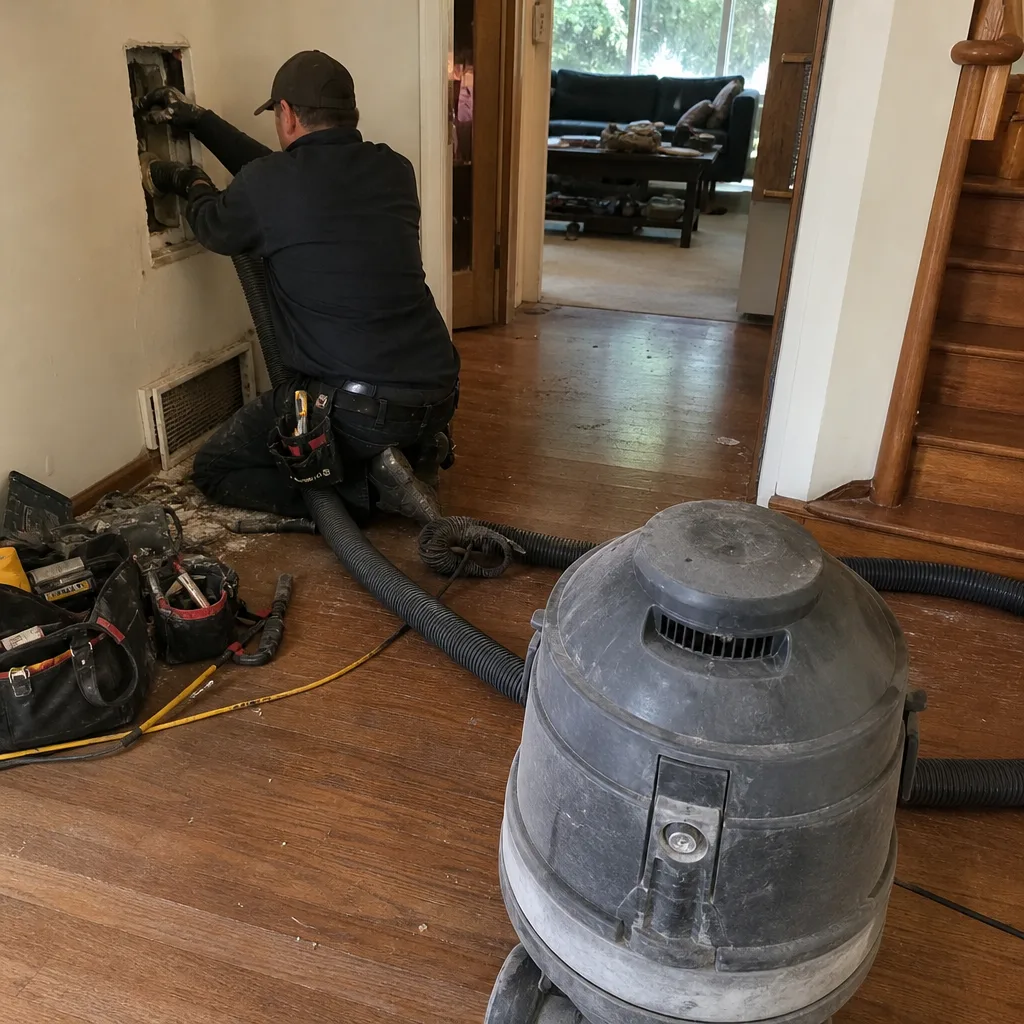 Before
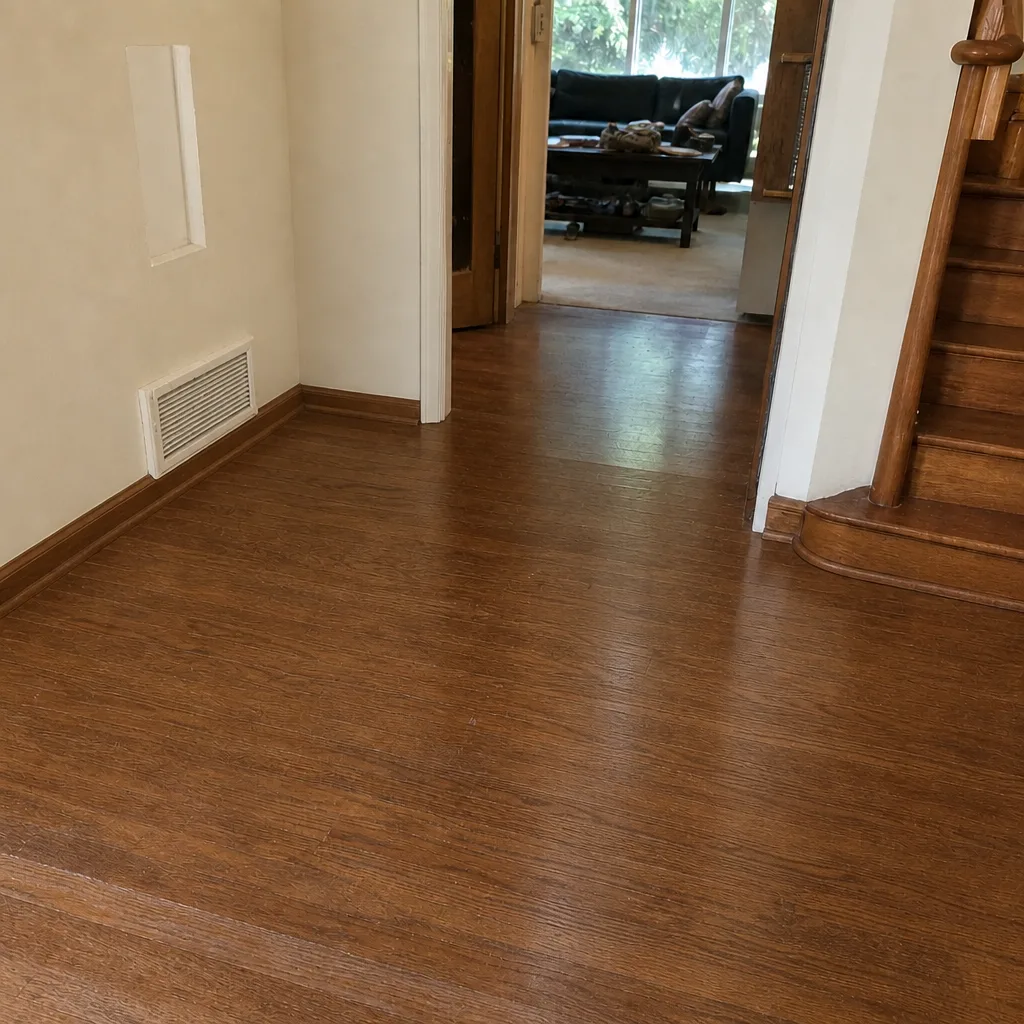 After