
Last updated November 25, 2026
 Whole-home duct cleaning
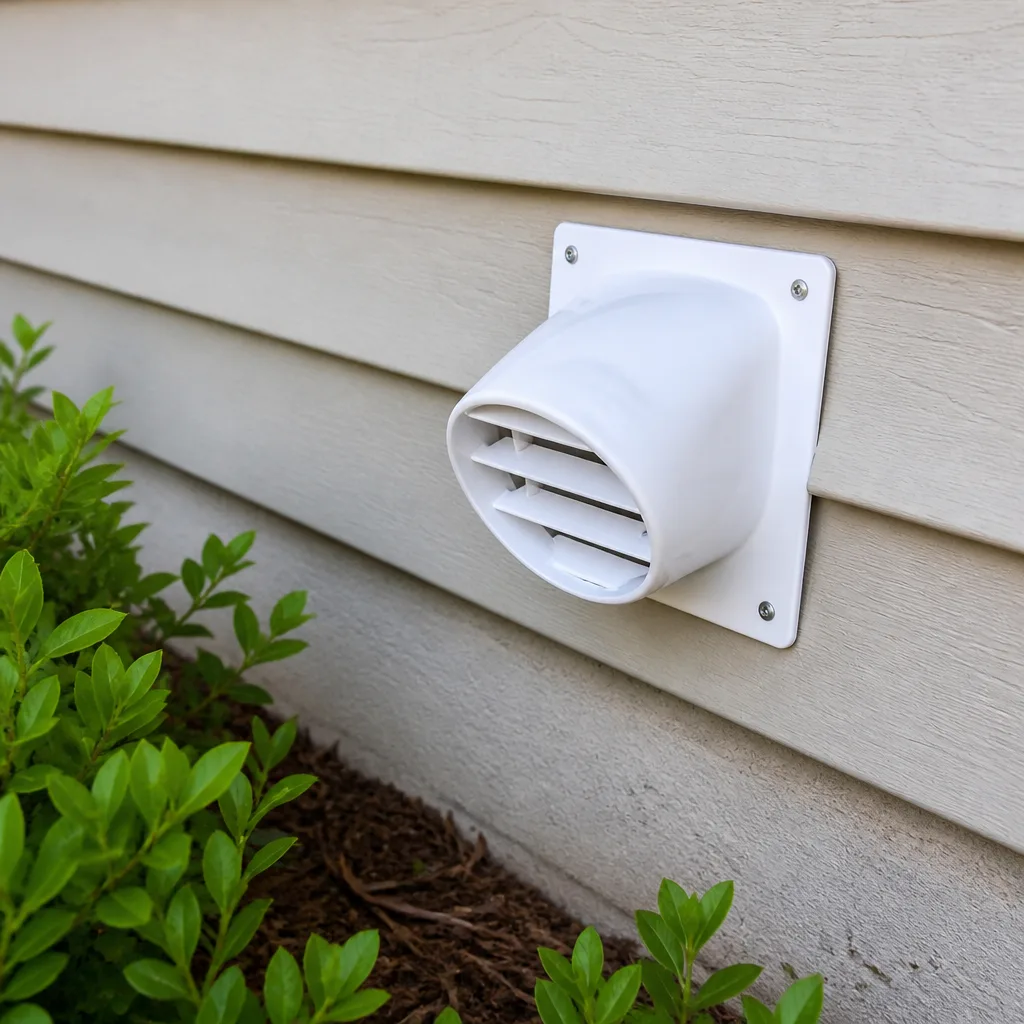 Dryer vent cleaning
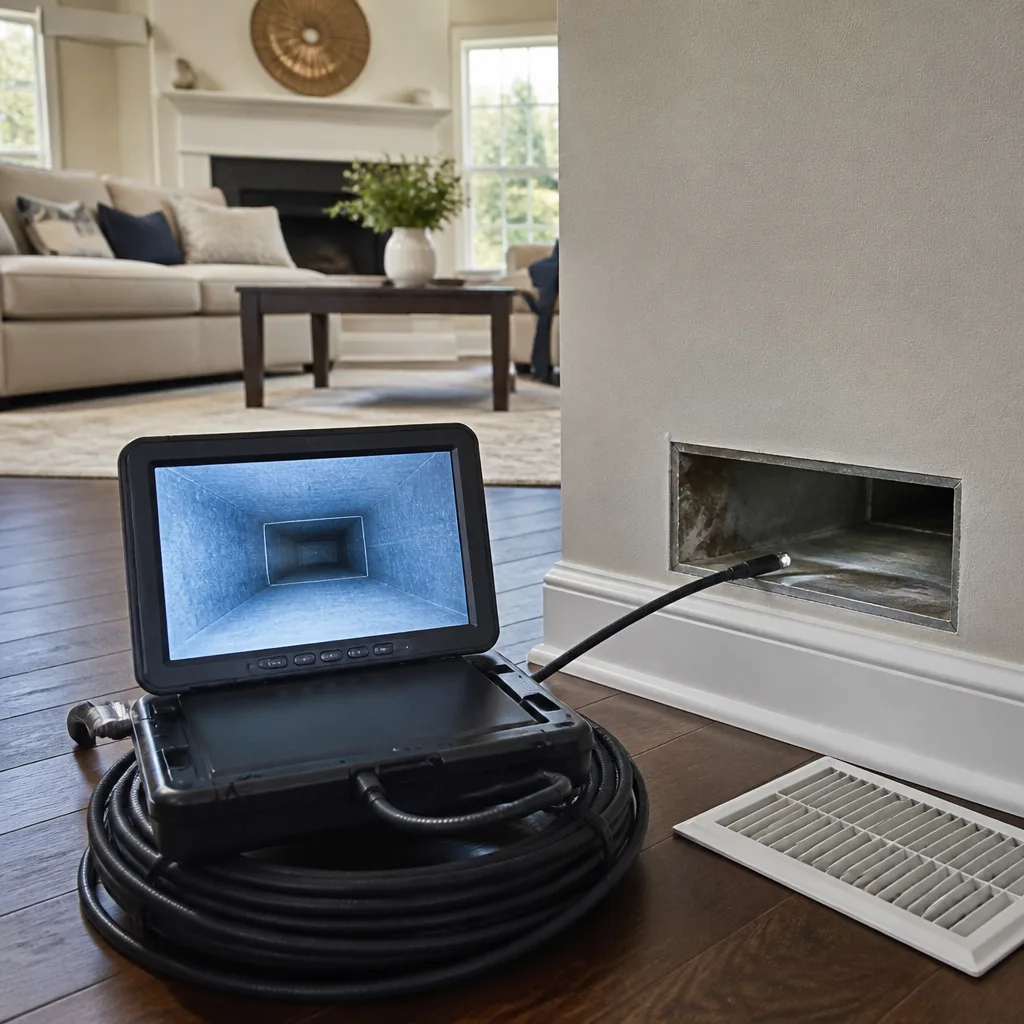 Camera inspection
 Sanitizing & deodorizing
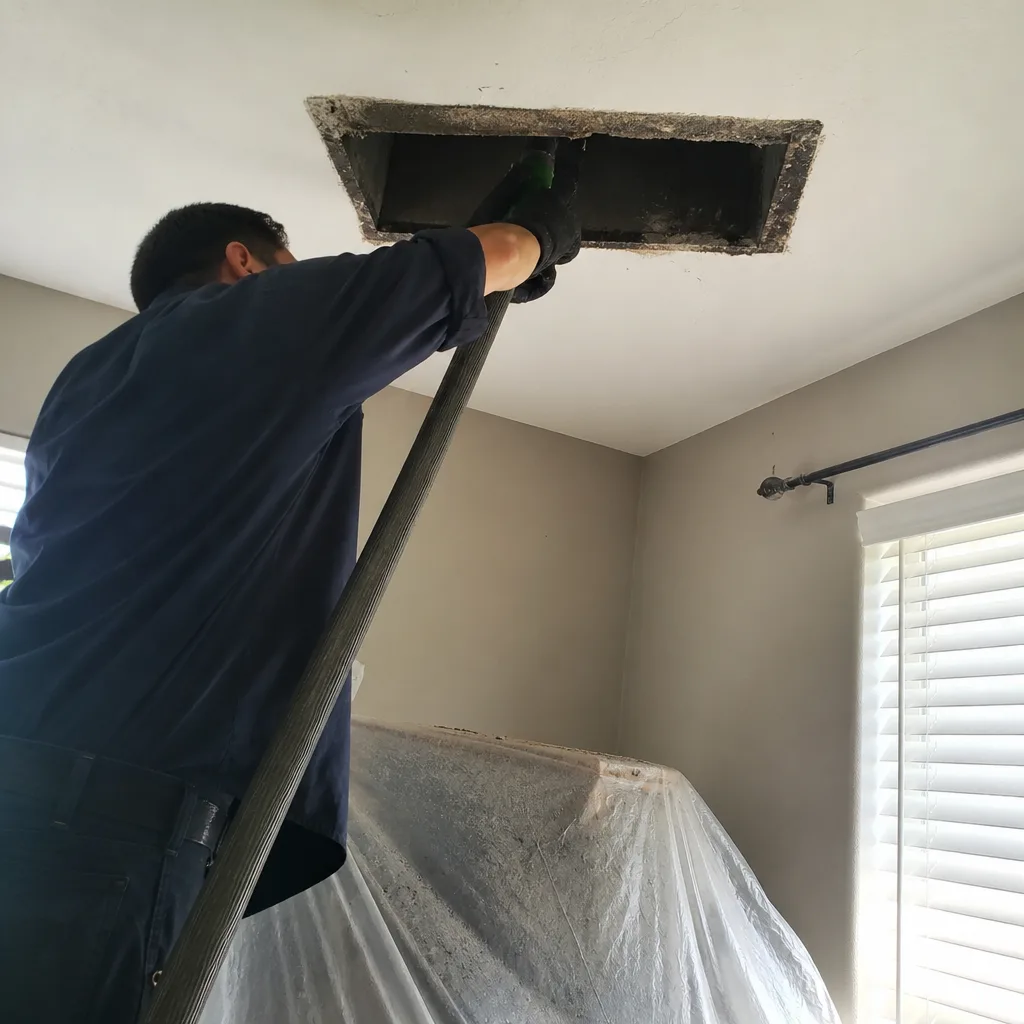
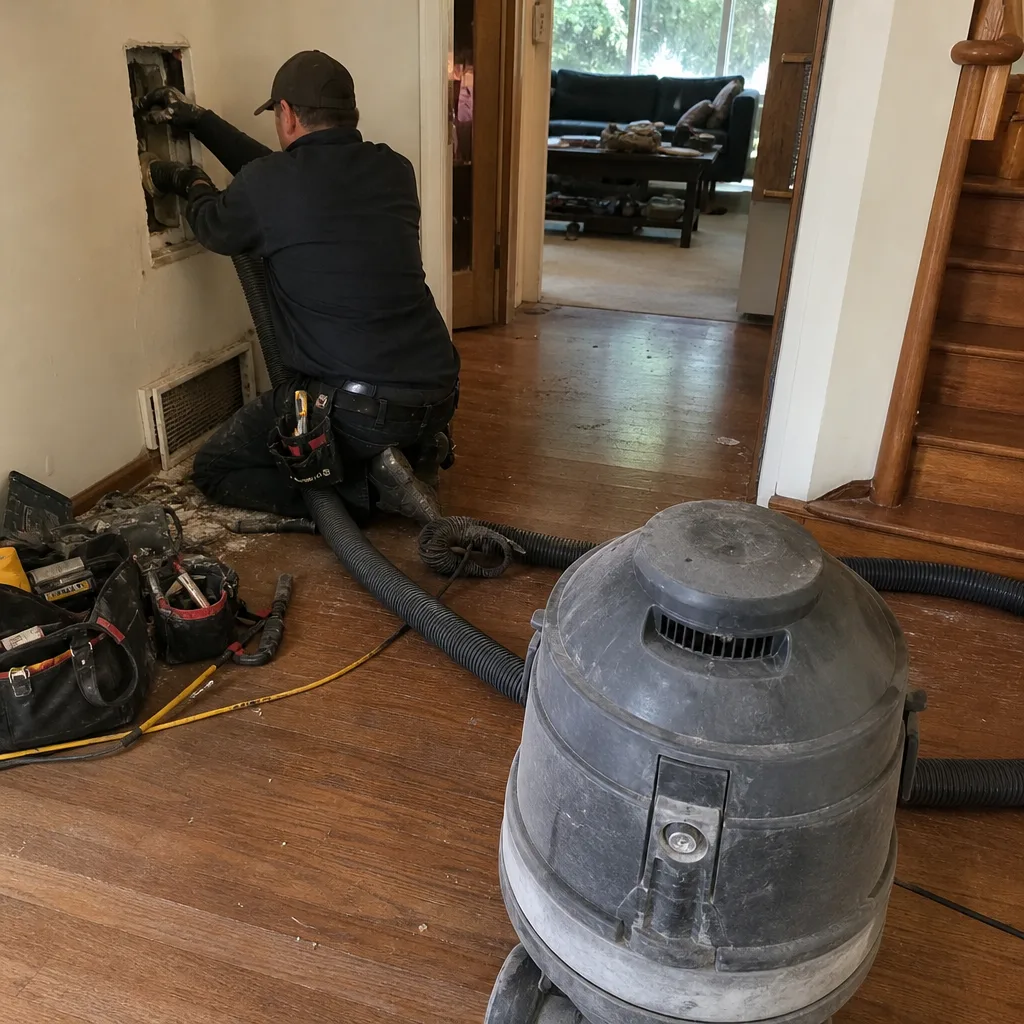
Whole-system duct and dryer vent check with before-and-after photos - you see exactly what came out of your vents
That "$99 whole-house special" is a bait ad - the real number appears once they are in your hallway, or the "clean" is a shop-vac at the register. We photograph the inside of your ducts before and after instead.
Air Duct Cleaning Troubleshooting in Auburn: Common Problems and How to Fix Them
If your vents smell musty only when the heat runs but not the AC, you don’t have a dust problem. You have a heat exchanger or drain pan issue that no amount of duct brushing will fix. That single distinction sits at the heart of this guide. Most homeowners in Auburn who suspect their ducts are filthy are actually dealing with a mechanical fault somewhere else in the system, and the two get blamed for each other constantly. What follows maps real symptoms to real causes, so you can walk into any service call knowing what’s being checked, why, and whether cleaning is even the right first step. We’ll cover odor, noise, weak airflow, dust that comes back, and the older duct layouts around Auburn that cause problems cleaning was never designed to solve.
Quick Answer
Air duct problems in Auburn usually fall into one of three buckets: contamination inside the ducts, mechanical failures in the HVAC equipment feeding them, or leakage and layout issues that no cleaning can resolve on its own. Cleaning is the right first step when the symptom is debris, odor from buildup, or dust after a renovation. Repair, sealing, or rebalancing should come first when airflow is weak, a room never heats or cools, or a smell appears only under one operating mode. The trick is telling those apart before you book.
Styles & brands we work with
- Whole-home duct cleaning
- Dryer vent cleaning
- Camera inspection
- Sanitizing & deodorizing
Table of Contents
- Symptom-to-Cause: What Your Ducts Are Telling You
- Is It the Duct or the HVAC Equipment Feeding It?
- The Tissue Test: A Five-Minute Leak Check Anyone Can Do
- Chronic Airflow Problems in Older Auburn Duct Layouts
- Odor Symptoms and What They Actually Point To
- Noise Troubleshooting: Banging, Whistling, and Rattle
- Dust That Comes Back: Why Cleaning Sometimes Doesn’t Stick
- When Cleaning Is the Right First Step (and When It Isn’t)
Symptom-to-Cause: What Your Ducts Are Telling You
Start with the symptom, not the solution. The complaint a homeowner brings through the door points to a specific part of the system more often than people expect. Before you schedule anything, match what you’re experiencing to the likely source.
| What You Notice | Most Likely Source | Cleaning Alone Fixes It? |
|---|---|---|
| Musty smell only when the heat runs | Drain pan, wet insulation, or heat exchanger area | No |
| Musty smell all year, worse when the system starts | Microbial buildup inside ducts | Often, with sanitizing |
| Dust reappears within weeks of cleaning | Leaking ducts pulling from attic or crawlspace | No |
| Weak airflow in far rooms only | Duct layout, crushed flex, or closed dampers | No |
| Whistling at one vent | Undersized return or restricted register | No |
| Banging or popping when the system cycles | Pressure imbalance, loose duct panels | No |
| Visible debris or construction dust after a remodel | Duct contamination | Yes |
| Allergy symptoms worse indoors | Particulate load plus source | Usually, plus filtration |
That table is not a diagnosis – it’s a starting map. But it saves a lot of wasted appointments. If your symptom sits in the “No” column, a straight cleaning is going to leave you disappointed and out the cost. The right contractor should ask which of these you’re experiencing before quoting anything. Around Auburn, the most commonly misattributed one is the heat-only musty smell. It’s rarely the ducts themselves and almost always moisture somewhere in the equipment cabinet.
Is It the Duct or the HVAC Equipment Feeding It?
This is the question most single-service operators skip, and it’s the most expensive one to get wrong. A duct cleaning company that only cleans ducts has no reason to look at your furnace’s drain pan or your air handler’s blower compartment. If the source of your problem lives inside the equipment, a cleaning pass through the branch lines won’t touch it.
Here’s how to think about it. The duct system is the delivery network. The HVAC equipment is the machine that pushes conditioned air into that network. Contaminants can originate in either place, and the symptoms often look identical.
- Signal it’s mostly the ducts: dust and debris build on register grilles, visible fuzzy growth near diffusers, musty smell that clears when the system is off for hours, symptoms appeared after renovation or a move.
- Signal it’s the equipment: smell locked to one operating mode (heat or cool, not both), water stains or standing water anywhere near the air handler, a musty smell that’s stronger near the unit than at the vents, symptoms that started after a repair or equipment swap.
- Signal it’s both: musty odor plus visible debris on grilles, or dust returning fast because the equipment is distributing it back through the ducts.
For a proper look at the equipment side, our HVAC cleaning service covers the air handler, blower wheel, coil, and cabinet – not just the duct network – because contamination there recirculates just as readily. In our experience, homes in Auburn with a persistent musty smell tend to have contamination in both the ducts and the air handler, and cleaning one without the other tends to leave the smell in place. The full-system approach is the reason Auburn Air Duct Cleaning Co treats the two as one diagnostic instead of two separate jobs.
The Tissue Test: A Five-Minute Leak Check Anyone Can Do
Many “dirty duct” symptoms are actually duct leakage. A leaking return duct in an attic or crawlspace pulls in outside air, insulation fibers, and moisture, and delivers all of it into the house. Cleaning the ducts won’t help if the leak keeps feeding the same contamination back in. Before you call anyone, run this test.
- Turn the system on to a setting you can hear running (cooling tends to be clearer because the compressor is on).
- Hold a single-ply tissue – a phoropter or bath tissue sheet works – flat against a register grille at a supply vent. It should flutter and hold tight against the grille, lightly flapping. If it collapses or sticks with no tension, airflow is weak.
- Now move to the return register. The tissue should be pulled firmly against the grille. If it barely sticks or the air feels cool and damp against your hand, the return is likely restricted or leaking somewhere behind it.
- Go to the attic hatch, the crawlspace access, or any area the ductwork passes through. With the system running, feel around the boots and joints for air movement. Any steady stream is a leak.
- Finally, look at the joints you can see at the register boots. Gaps at the drywall, loose tape, or disconnected flex are the most common culprits.
A positive tissue test on the supply side plus a weak pull on the return side usually means the return duct has a leak or the filter and blower are restricted. In Auburn’s older housing stock, the duct runs through unconditioned space often get the least maintenance, and that’s where you’ll usually find the break. Duct repair and sealing – one of the five services we offer – exists precisely because installing clean ducts and leaving them leaky is only half a job. For the supply side check with more detail, air duct cleaning is a sensible next step after you’ve confirmed the leak pattern.
Chronic Airflow Problems in Older Auburn Duct Layouts
Some homes never heat or cool evenly, and no amount of cleaning changes that. The reason is usually layout, not dirt. Older homes built with a branch-and-trunk duct design can have rooms that sit at the far end of the system, or in a part of the house added later, where the duct simply can’t deliver much air. The frictional losses through the run are too high, and the system was never balanced.
Three common layout problems show up repeatedly in Auburn:
- Long flex runs to far rooms: flex duct is easy to install, but stretched over a long attic run with several bends, it drops static pressure fast. The room never gets its share.
- Undersized returns: a single small return serving a whole floor creates a pressure imbalance. Supply air can’t move into a room if there’s no path back out.
- Closed or missing dampers: balancing dampers were often installed when the home was built and never touched again. Some homes have a damper stuck shut on a branch feeding a bedroom, and the room gets nothing.
These are mechanical or design problems, not contamination problems. Cleaning the ducts improves air quality, but it does not rebalance airflow. Fixing a crushed flex section, opening a stuck damper, adding a return path, or having a technician rebalance the system does. If your complaint is “one room never cools” rather than “the air smells or feels dusty,” ask for airflow measurement on the estimate call, not just a cleaning quote. That diagnostic split is what the cleaning-versus-repair question in this guide comes down to.
Odor Symptoms and What They Actually Point To
Smell is the most useful diagnostic signal in the whole system, and the most misread. The timing of the odor tells you more than the odor itself. Work through these in order.
- Musty only when heat is running: drain pan overflow, wet insulation inside the cabinet, or a heat exchanger with surface contamination that only gets warm when the furnace fires. Not a duct problem.
- Musty only when AC is running: a damp evaporator coil, a wet drain pan, or moisture sitting in the plenum. Cooling mode makes its own condensation, and a slow drain shows up here.
- Musty all year, worse at startup: microbial growth inside the ducts themselves. This is the one a cleaning and sanitizing service genuinely addresses.
- Chemical or burning smell: stop and call a licensed HVAC technician. Do not run the system. This can indicate an electrical or combustion issue that no cleaning service should handle.
- Dusty, dry smell with no moisture: often a leaking return pulling from an attic or crawlspace. Duct sealing, not cleaning, fixes it.
In Auburn, the “heat-only musty smell” complaint is common enough that our technicians ask about it first whenever someone calls about odors. If a candidate cleaning company doesn’t ask when the smell shows up, treat that as a red flag. The right first step for a heat-only smell is to have the equipment cabinet inspected, not the branch ducts. For year-round smells, Guardsman-grade sanitizing products paired with Honeywell and Aprilaire filtration can address the microbial source and the ongoing particulate load behind it. Abatement Technologies containment equipment matters more when a job crosses into remediation territory, which happens more often than homeowners realize.
Noise Troubleshooting: Banging, Whistling, and Rattle
Noise almost never means “dirty ducts.” It means a mechanical or pressure issue that you can often locate yourself before calling anyone. Point to the noise, then read it.
- Whistling at a single register. Air is squeezing past a restriction. Pull the grille and check for debris, a stuck damper, or paint blocking the fins. If the grille is clean and the whistle remains, the duct feeding it is undersized or the return path is starved.
- Banging or popping when the system starts and stops. The ductwork is flexing from pressure changes. Loose panels, unsealed joints, or undersized return air are the usual causes. Duct sealing is the repair.
- Rattling at a boot. The register boot has come loose from the subfloor or drywall. This is usually a small repair – reseating and sealing it – but it also means unfiltered air has been entering the system from below the floor.
- Hissing near the air handler. A supply-side leak close to the equipment. Worth a look; leaking ducts near the cabinet distribute debris to the whole house.
None of these are solved by cleaning, but they are solvable. Duct repair and sealing handles most of them, and knowing which one you’re hearing keeps you from paying for a cleaning that doesn’t address the symptom you actually called about. Our technicians have up to 15 years of experience listening to these calls, and the noise on the phone is often enough to narrow down the source before a visit.
Dust That Comes Back: Why Cleaning Sometimes Doesn’t Stick
It’s the most frustrating phone call a cleaning company takes: “You cleaned the ducts three months ago and the dust is back.” Nine times out of ten, the ducts weren’t the source. Dust that reappears fast is being generated or pulled in continuously by something the cleaning pass can’t fix.
- Leaking return ducts. Every time the system runs, a leaky return in the attic or crawlspace draws in insulation fibers and dust, and delivers them straight to the living space. Cleaning the ducts in a house with a leaking return is spinning a wheel.
- Clogged or missing filters. A filter that’s never been changed lets the blower pull contamination into the cabinet, which then redistributes it. The best cleaning in the world won’t outrun a filter that hasn’t been touched in years.
- Nearby construction or renovation. Dust in the air is dust the system will draw in. This is a case where cleaning helps but a temporary filter upgrade helps more.
- Inadequate filtration. A standard 1-inch filter catches a small fraction of what’s circulating. Adding a proper media cabinet or an Aprilaire filtration upgrade changes the baseline, which is why our air quality and sanitizing services live alongside cleaning rather than replacing it.
Our technicians use Rotobrush rotary contact cleaning to dislodge debris from the duct walls and Nikro HEPA-rated vacuum equipment to capture it, not redistribute it. But equipment and process only solve half the problem if the source is still there. Before a second cleaning, work through the list above. The honest answer to dust that comes back is often duct repair and sealing, then cleaning once the source is closed off – not a second cleaning.
When Cleaning Is the Right First Step (and When It Isn’t)
Here’s the practical decision order we use when a homeowner calls in Auburn with a duct complaint.
Cleaning is the right first step when:
- You see visible debris, dust, or renewed collection on registers after a renovation or move-in.
- The smell is musty year-round and worse on startup, pointing to microbial growth in the ducts themselves.
- Allergy symptoms improve when you leave the house and worsen when the system runs.
- You just had a new HVAC installation and want the ductwork verified before the system goes into full service.
Repair, sealing, or rebalancing should come first when:
- A single room never heats or cools no matter how clean the ducts are.
- The tissue test shows a weak return pull or a supply flutter that collapses.
- Dust returns within weeks of a previous cleaning.
- The noise is present (whistling, banging, rattle at a boot).
- The smell is tied to one operating mode (heat only or cool only).
When cleaning is genuinely needed, a full-system approach matters. A rotary brush system on the branch lines without also verifying the equipment side, and without checking for leaks, tends to look thorough and fix part of the problem. If the equipment or a leak is the cause, cleaning is a good complement to the repair, not a substitute for it. And if the appliance at the end of any duct is a dryer, make sure it gets addressed too – our dryer vent cleaning service is part of the same full-system picture, because lint buildup carries real risk that a general duct cleaning won’t touch.
Common Mistakes to Avoid
- Booking a cleaning before running any diagnostic. A musty heat-only smell, a single cold room, or a whistle at one vent doesn’t get solved by cleaning. Do the symptom-to-cause check first, and ask the contractor which symptom they’re treating.
- Assuming a musty smell means contamination. In Auburn, where humidity swings between the wet season and the dry summer, the smell is often moisture in the cabinet, not growth in the duct. Cleaning the ducts alone leaves the source in place.
- Skipping the tissue test. It costs five minutes and often saves a full appointment. A weak supply flutter or a limp return pull means leakage, not debris.
- Believing one cleaning fixes everything. Ducts are the delivery network, not the machine. Cleaning them without addressing a leaking return, a clogged filter, or a chronically undersized run is a repeat job waiting to happen.
- Ignoring the equipment side entirely. A duct-only service leaves the air handler, coil, and blower untouched, and those are common contamination sources. The full-system scope is what separates a real indoor air specialist from a one-service operator.
- Choosing a contractor by the coupon price. The classic failure here is a low teaser and a much larger invoice once the technician is on site. One flat price per system, agreed before work starts, is the standard to hold any company to.
- Not asking about duct repair and sealing capability before booking. A company that only cleans has no path to fix a leak or a crushed flex if the diagnostic turns one up. Ask upfront who handles the repair.
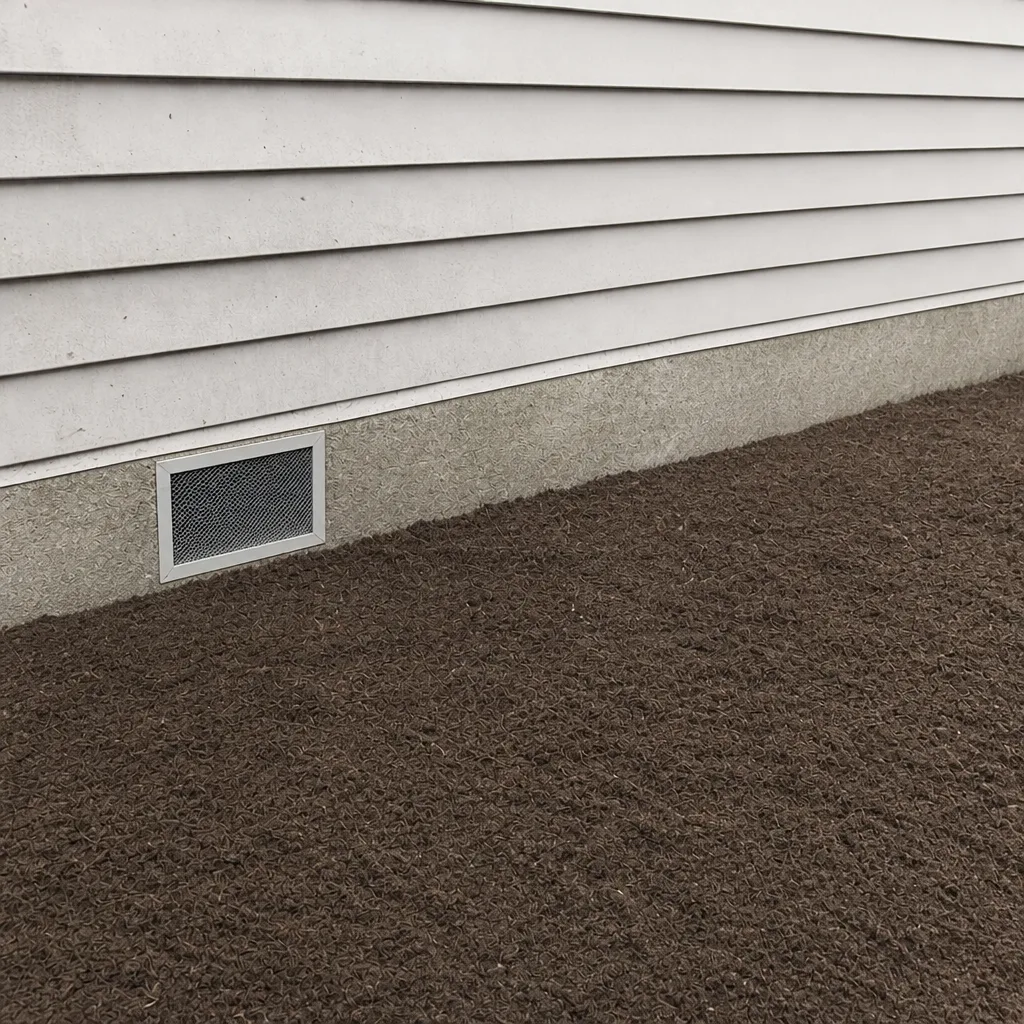
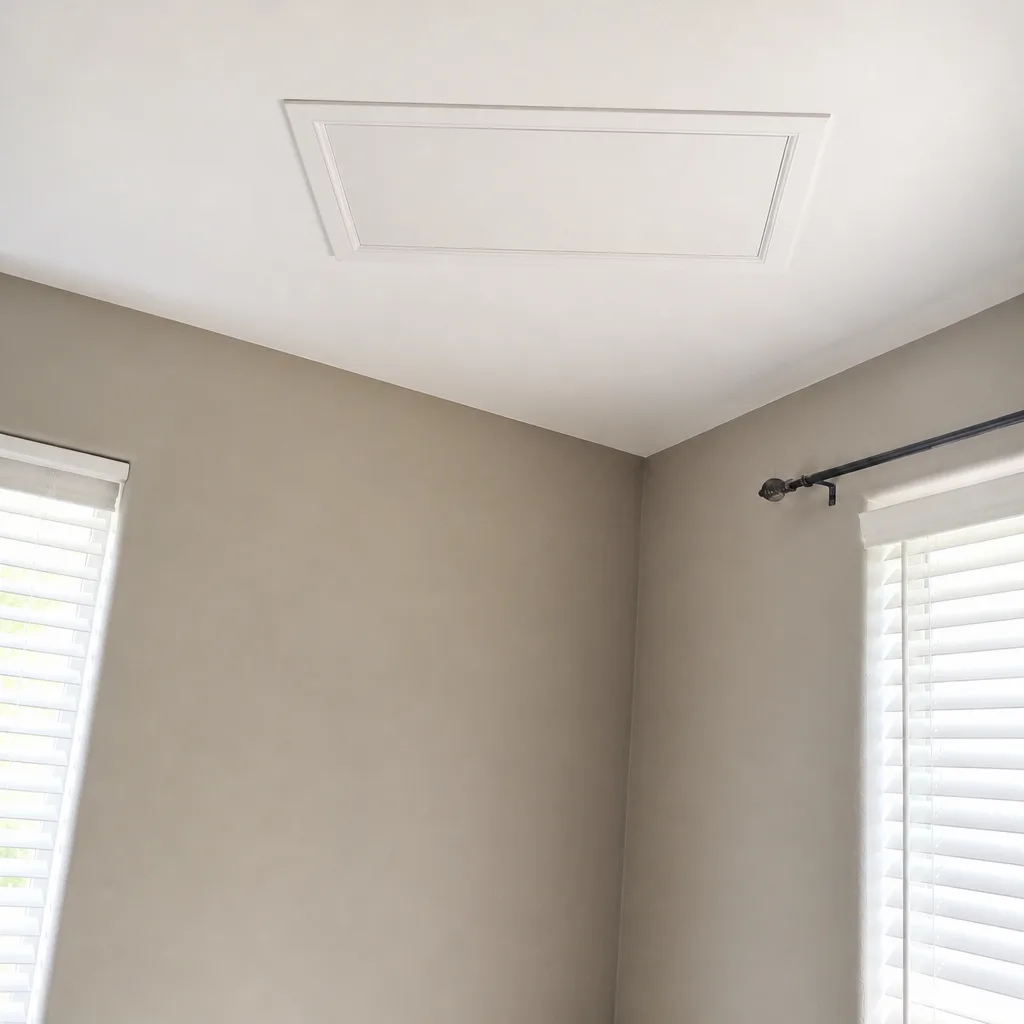
See the difference
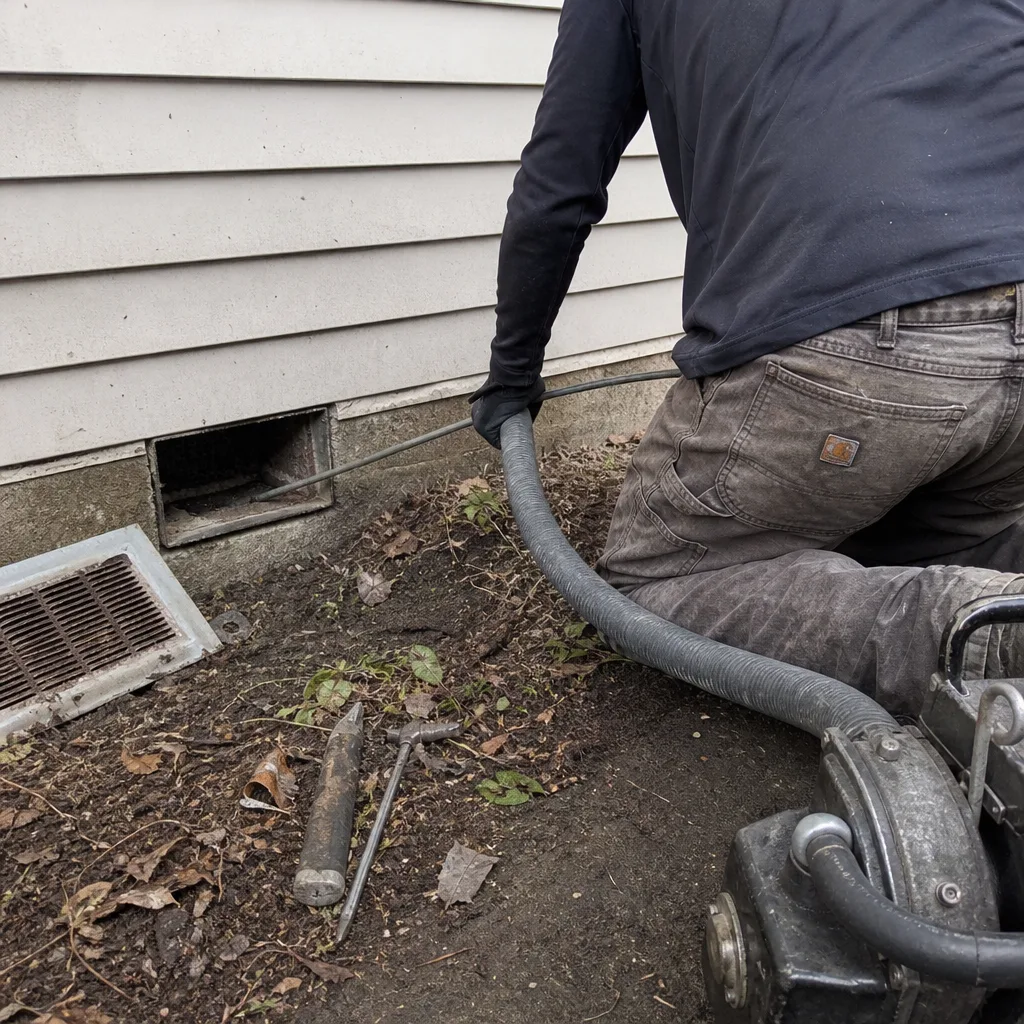 Before
 After
 Before
 After
 Before
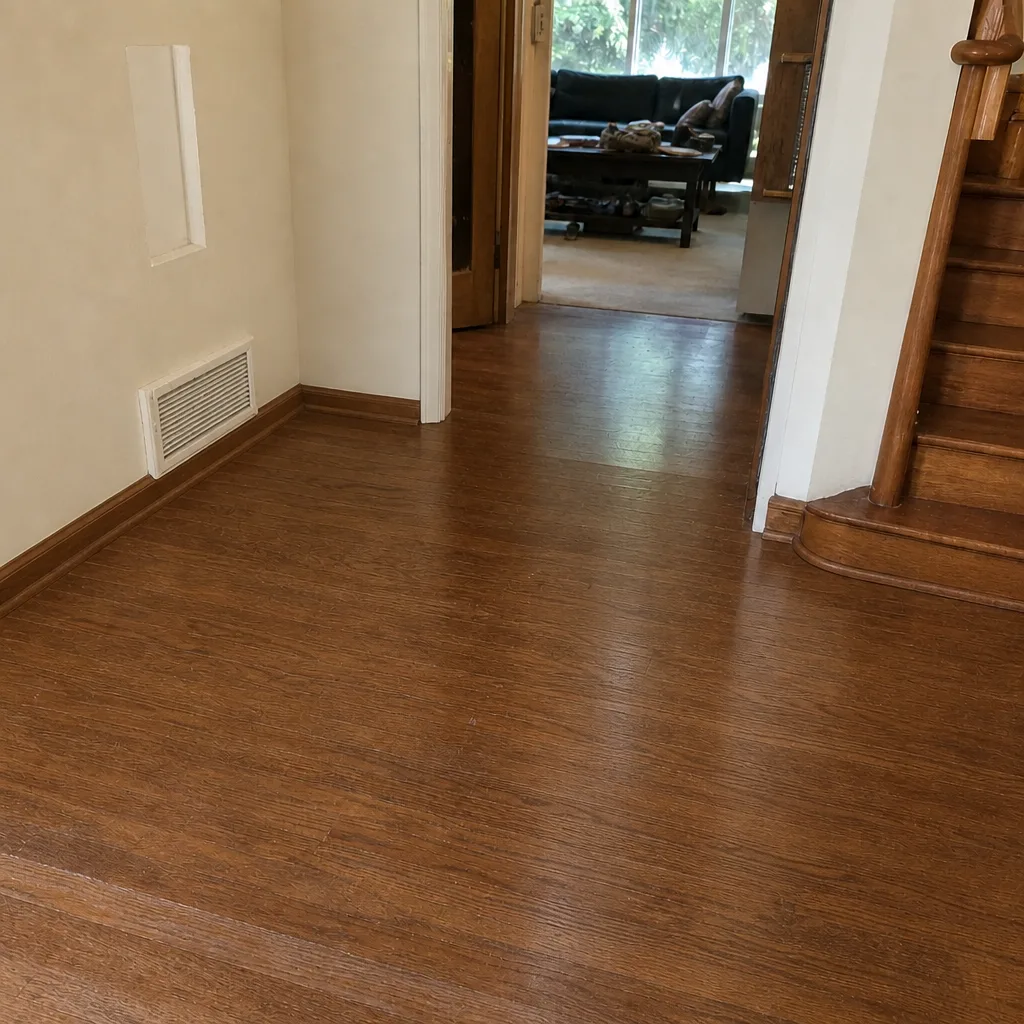 After
When to Call a Professional
Call a professional if you have any of the following: a musty smell that won’t clear, visible growth or debris on registers, dust that returns within weeks of cleaning, weak airflow in one room that no damper adjustment fixes, noise that starts with the system, or symptoms that started after a renovation or a new equipment install. Also call if any smell is chemical or burning – stop the system first and get a licensed HVAC technician out. Our technicians have up to 15 years of experience diagnosing which of these is a cleaning, which is a repair, and which is equipment. We use professional-grade Rotobrush and Nikro equipment, not consumer machines, and we can seal the leaks a cleaning pass finds. Auburn Air Duct Cleaning Co offers free estimates in Auburn – call (877) 792-5686. We answer 24/7. Fast dispatch from 7am to 7pm, Sunday through Friday.
Frequently Asked Questions
Run the tissue test at one supply vent and one return register. If the supply tissue flutters and holds and the return pulls firmly, your system likely needs cleaning, not repair. If the supply tissue collapses or the return barely holds, you’re dealing with leakage or a pressure problem, and repair should come first. Also check the timing of any smell – musty heat-only points to the equipment, not the ducts. Call us for an exact diagnosis and free estimate.
That’s a moisture issue in the HVAC equipment, most often a drain pan or wet insulation near the heat exchanger, not contamination inside the ducts. The heat warms the cabinet and releases the smell, and no amount of duct brushing touches it. Have the air handler inspected. A licensed technician may need to check the exchanger itself. Call (877) 792-5686 – the estimate is free.
Because the source is usually a leaking return duct or a clogged filter pulling dust in continuously, not the ducts themselves. Cleaning removes what’s there; it doesn’t stop fresh material from entering. Ask about duct repair and sealing and a filter upgrade before booking a second cleaning. Call us for a free estimate on the diagnosis.
No. Weak airflow to a single room is almost always a duct layout, undersized return, or stuck damper issue – cleaning removes debris but does not rebalance air. A technician needs to measure static pressure and check the branch feeding that room. Cleaning still helps air quality, but it won’t make the room cooler or warmer on its own. Call us and we’ll explain which service applies to your case.
Duct cleaning covers the duct network and registers. HVAC cleaning covers the equipment feeding the ducts – air handler, blower wheel, evaporator coil, and cabinet. Contamination commonly sits in both, and residential systems in Auburn often show both. For full air quality results, the two are usually done together. Call (877) 792-5686 for a free estimate and we’ll tell you which your system needs.
It rarely fixes a real problem, because the price usually covers a quick surface pass with consumer-grade equipment and no equipment inspection. Many house calls end in an upsell that doubles or triples the coupon price once the technician is on site. Ask for one flat price per system agreed before work starts, before-and-after photos of your actual ducts, and confirmation of the equipment being used. Then call (877) 792-5686 for a free honest estimate.
The Bottom Line
The single biggest improvement you can make to your indoor air quality in Auburn is understanding what’s actually causing the symptom before you book a service. Dirty ducts cause dust and odors that persist year-round. A musty smell only when the heat runs, noise when the system cycles, or a single room that never heats point to the equipment, leakage, or layout – and no amount of brushing fixes those. If you want a real answer, do the tissue test, note when the symptom shows up, and ask any company you call which problem they’re solving. Professional-grade equipment matters, but a correct diagnosis matters more. Call (877) 792-5686 for a free estimate. We answer 24/7. Fast dispatch from 7am to 7pm, Sunday through Friday.
Written by the team at Auburn Air Duct Cleaning Co.