
Last updated November 25, 2026
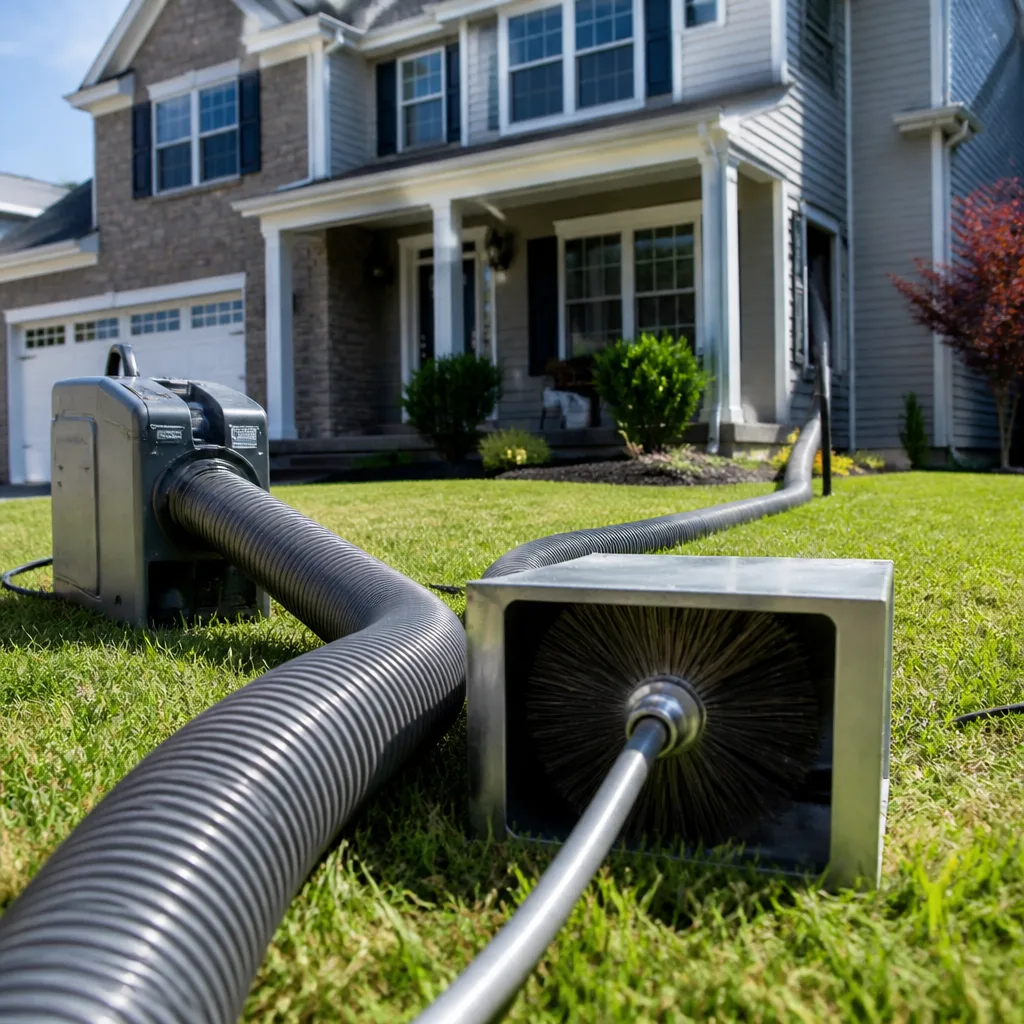 Whole-home duct cleaning
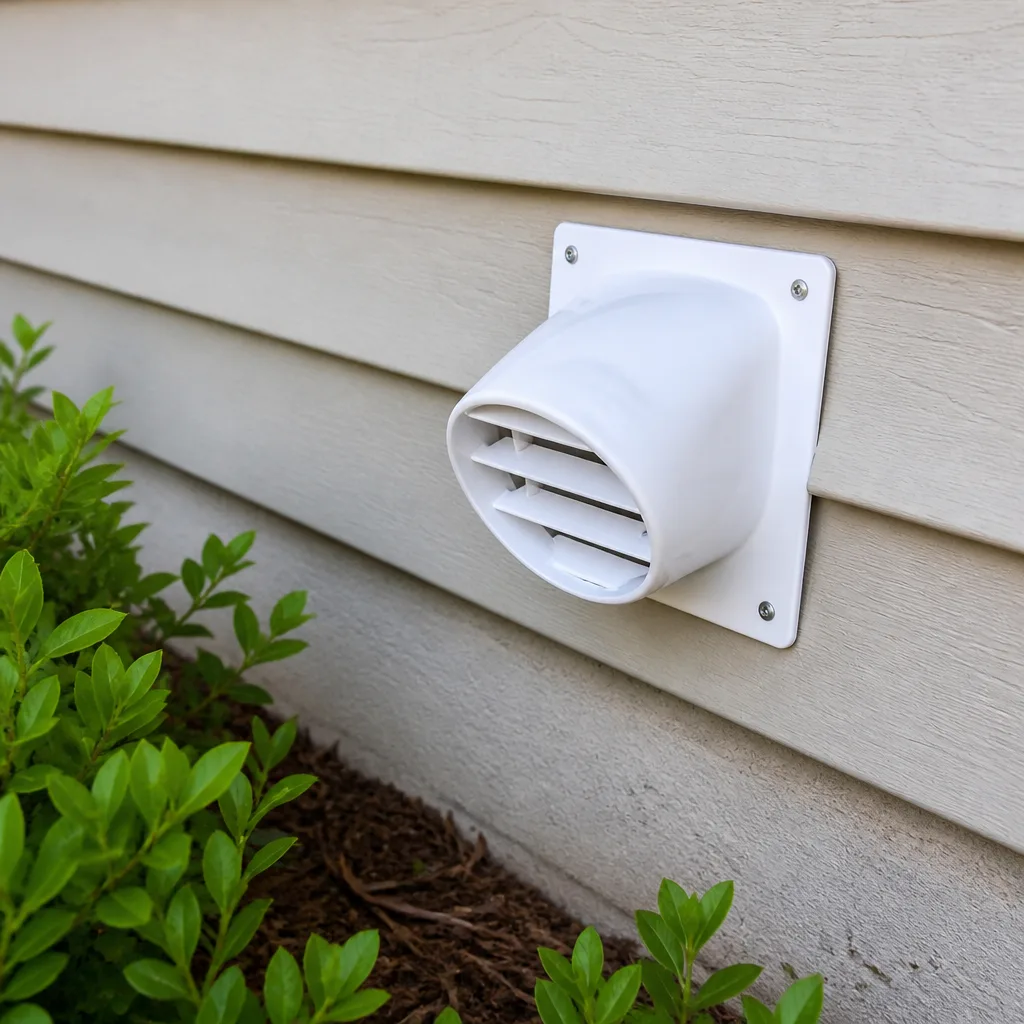 Dryer vent cleaning
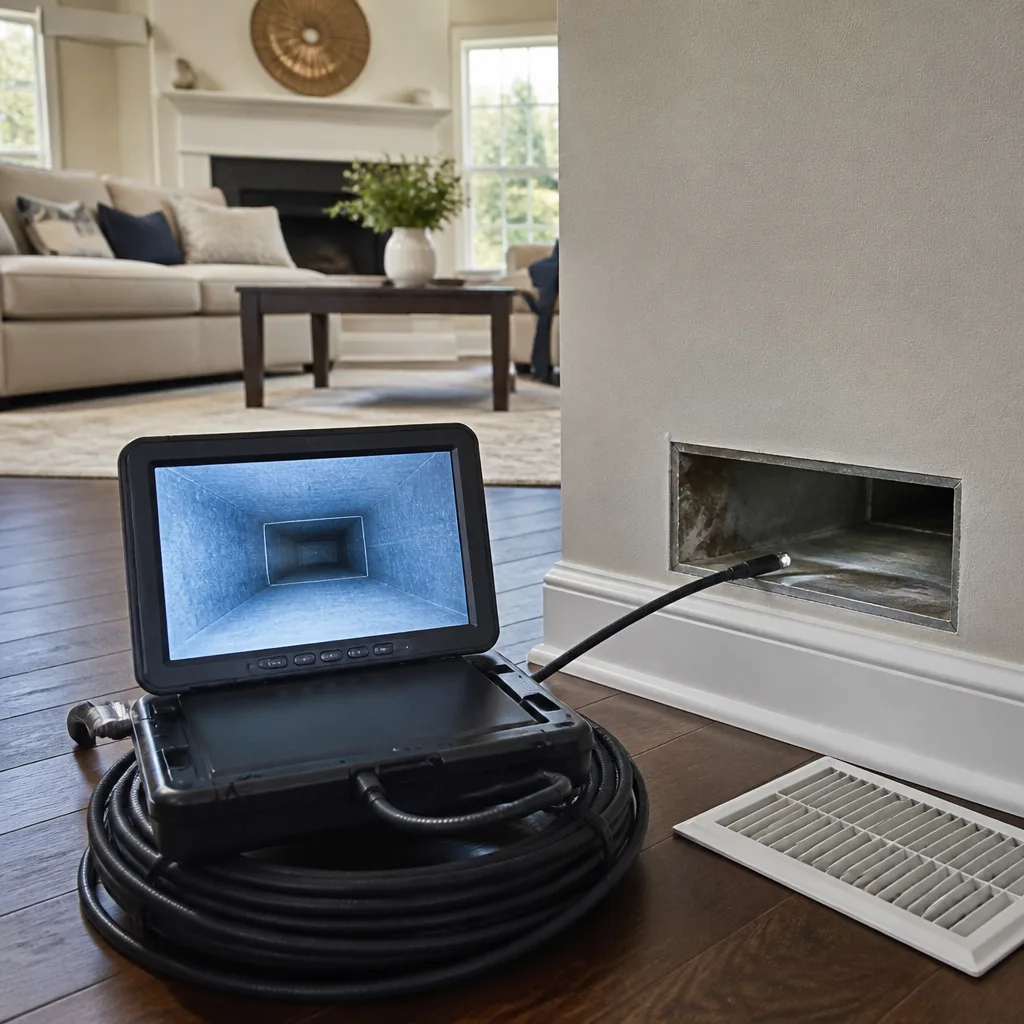 Camera inspection
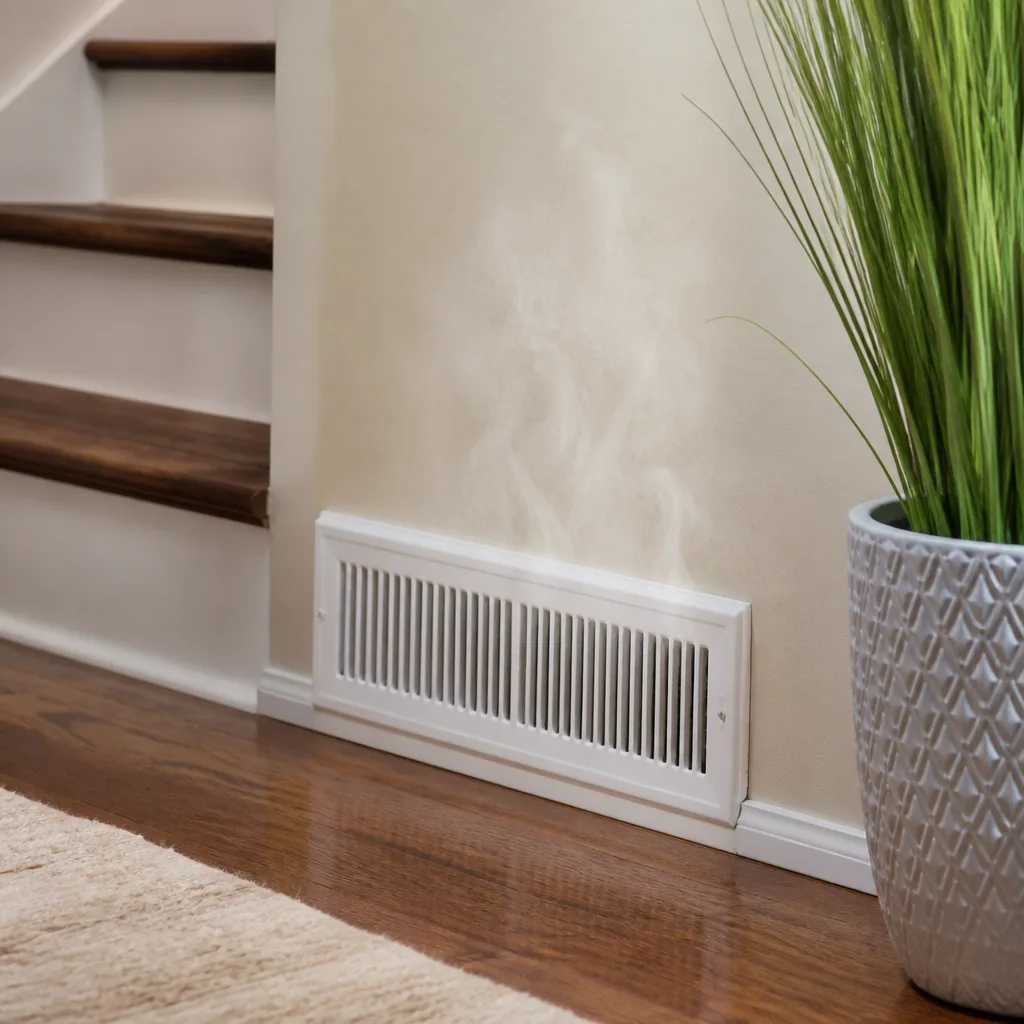 Sanitizing & deodorizing
Whole-system duct and dryer vent check with before-and-after photos - you see exactly what came out of your vents
That "$99 whole-house special" is a bait ad - the real number appears once they are in your hallway, or the "clean" is a shop-vac at the register. We photograph the inside of your ducts before and after instead.
Seasonal Air Duct Cleaning Care for Auburn: Year-Round Homeowner’s Guide
Most duct cleaning advice is built around one number: clean every three to five years. That number ignores where you live. In Auburn, the calendar does more to your ductwork than the clock does. The switch from cooling to heating, a stretch of trapped wood smoke in the valley, a wet late-winter crawl space, and a dry summer each put a different kind of load on the system, and each one calls for a different response. Treating duct care as a single appointment on a repeating timer means you’ll usually act at the wrong moment. This guide walks through what each Auburn season actually does to your ducts, what to inspect before the damage compounds, and how to build a rolling twelve-month rhythm instead of one annual guess.
Quick Answer
Air duct cleaning in Auburn works best on a seasonal rhythm, not a fixed multi-year schedule. The highest-risk moment is the first heat cycle in fall, when months of settled debris and any moisture-driven growth get pushed through every room. Inspect before that switch, watch the crawl space after Auburn’s wet February through April, clean and sanitize in the dry summer months when treatments cure properly, and keep an eye on filter load during winter inversion days in the Auburn Valley.
Styles & brands we work with
- Whole-home duct cleaning
- Dryer vent cleaning
- Camera inspection
- Sanitizing & deodorizing
Table of Contents
- Fall: The Highest-Risk Air Quality Moment in Auburn
- Winter: Wood Smoke, Inversions, and Filter Load in the Auburn Valley
- Spring: Crawl-Space Moisture and the Path Into Flex Duct
- Summer: The Best Window for Sanitizing Treatments
- Building a Rolling 12-Month Inspection Rhythm
- Signs Your Ducts Need Attention Now, Not Later
- Why Cleaning Alone Is Often Only Half the Job
Fall: The Highest-Risk Air Quality Moment in Auburn
The first cool day in September or October is when most Auburn homeowners find out something is wrong with their ducts. The furnace comes on for the first time in months, warm air moves through ductwork that has sat mostly idle through the cooling season, and whatever settled on the interior walls gets lifted and delivered into every room within a few minutes. That’s not a scare tactic. It’s just how airflow works: a system that has been dormant holds debris in place, and the moment you ask it to move air again, that debris goes somewhere.
The cooling season is gentler on ducts than people assume. Air conditioning pulls moisture out of the air as it cools, so ducts used mainly for cooling tend to stay drier. But that same dry summer also means dust, pollen, and fine construction or road debris accumulate on duct walls without being disturbed. Add a stretch of closed windows and a house sealed against the heat, and you get a slow buildup that only reveals itself when heating season starts.
What to inspect before the first heat cycle
- Pull a supply register and look at the first few inches of duct. A light grey film is normal dust. Fuzzy or patchy growth is not.
- Check the return air grille and the filter slot. A clogged filter going into heating season forces the blower to pull harder and stirs up more debris.
- Look for any musty smell near registers when the system first runs. Odor that appears with airflow and fades after a few minutes usually points to material sitting in the duct or on the evaporator coil.
- Walk the accessible duct runs in the basement, garage, or attic and look for disconnected joints, crushed flex sections, or tape that has dried and peeled.
- Note any room that heats unevenly. A duct that has come loose or a run that’s leaking at a joint will underperform long before it fails outright.
If any of those checks turn up more than ordinary dust, it’s worth getting a real look inside the system before the heating season begins. Our air duct cleaning service starts with that look, not with a sales pitch. We use Rotobrush rotary contact cleaning and Nikro HEPA-rated vacuum equipment, so what comes off the duct walls is captured rather than pushed into the living space.
Winter: Wood Smoke, Inversions, and Filter Load in the Auburn Valley
Auburn sits in a valley shaped by the Green River, and in winter that geography works against air quality. Cold, dense air settles low, and the warmer air above it acts like a lid. The technical term is a temperature inversion. The practical effect is that wood smoke from fireplaces and older stoves lingers near the ground instead of dispersing. Anyone who has lived here long enough knows the smell of a still, cold morning in December.
That trapped smoke doesn’t just sit outside. Your HVAC system pulls in outdoor air through the economizer, the fresh-air intake, and every gap in the building envelope. Fine particulates from wood smoke load your filter faster than ordinary dust, and once a filter is saturated, the blower pulls harder, static pressure rises, and more of that particulate makes its way into the ductwork and the living space. Over a winter of inversion days, a filter that would normally last a full season can clog well before it’s due.
How winter changes duct care in Auburn
- Check the filter more often. During a run of inversion days, monthly is not excessive. Look at it, don’t just mark the calendar.
- Watch for smoke smell inside the house. If you can smell wood smoke indoors on a still day and the fireplace isn’t running, the system is pulling in outdoor air that shouldn’t be reaching you.
- Keep the system running on low, not off. Continuous low airflow with a clean filter moves particles to the filter instead of letting them settle in ducts.
- Consider upgraded filtration. Products like Aprilaire media cabinets and Honeywell filtration integrate with most forced-air systems and capture finer particulate than a standard 1-inch filter, which matters more in an inversion-prone valley than it does almost anywhere else.
We don’t tell every Auburn homeowner to clean ducts every winter. Most don’t need it. What winter calls for is filter discipline and a sense of whether the system is being asked to handle more particulate than usual. If you’re unsure, a professional inspection is cheaper than guessing.
Spring: Crawl-Space Moisture and the Path Into Flex Duct
February through April is Auburn’s wettest stretch, and that matters to your ductwork in a way it wouldn’t in a drier climate. Many Auburn homes, especially older ones, run at least some duct through a crawl space. When the ground stays saturated for weeks, the crawl space holds moisture, and the duct runs sitting in that moisture lose their insulation value. In summer that’s an efficiency problem. In spring it becomes an air quality problem, because moisture finds its way into the duct interior through failing vapor barriers, disconnected joints, and cracked flex.
Once moisture is inside a flex duct, the situation changes. Standard flex has ridges and folds where dust collects, and any consistent dampness there is exactly the environment where microbial growth takes hold. That’s why spring is the season to actually look at your duct runs rather than assume last year’s clean condition still holds. A duct that was fine in October can be compromised by March without a single visible sign in the living space.
What to check after Auburn’s wet season
- Go into the crawl space and look at the ducts themselves. Torn outer jacket, visible condensation, or dark staining on the wrap are all signs moisture has been at work.
- Check whether the vapor barrier on the ground is intact and running up the foundation walls. A torn barrier lets ground moisture rise directly into the duct runs above.
- Smell the registers in the first weeks of spring. Mustiness that fades when the system has run a while is a clue the ducts themselves hold moisture.
- Look at the flex runs for sagging sections. Sagging collects condensation at the low point.
- Note any duct that runs near an exterior foundation wall. Those runs see the coldest surfaces and the highest condensation risk.
Duct repair and sealing is where we part ways with duct-only cleaners. If we open a system and find compromised flex or leaking joints, we fix it rather than just vacuum around it. Leaking ducts defeat the purpose of a clean: the system pulls in air you never asked for and pushes conditioned air into places that don’t need it. You’ll see this scope reflected across our HVAC cleaning work, which covers the air handler and coil, not just the duct runs.
Summer: The Best Window for Sanitizing Treatments
Here’s the counterintuitive part. The best time to clean and sanitize ducts in Auburn is the season when the system is working hardest and dust is least likely to settle: summer. That’s not because summer is when ducts get dirtiest. It’s because summer is when the aftermath of a cleaning – particularly a sanitizing treatment – actually cures correctly.
Sanitizing treatments work by coating surfaces and then off-gassing. Humidity is the enemy of that process. In a damp spring or a valley winter, treatments take longer to cure and don’t adhere as cleanly. In a dry Auburn summer, humidity drops, airflow through the ducts is warm and steady, and the treatment cures fast and holds. That means summer is the right time to schedule the full sequence: clean, repair anything found, then treat.
What a summer sanitizing sequence looks like
- Full clean. Rotobrush rotary cleaning dislodges material from duct walls, and Nikro HEPA extraction captures it. You see before-and-after photos of your own ducts, not a generic brochure.
- Repair any compromise found. Any leaking joints or torn flex are sealed before treatment goes on, so the sanitizer is protecting a sound surface.
- Sanitizing treatment. Guardsman-grade treatments address microbial contamination on the duct surfaces, not just visible debris.
- Verification. Visual check with photo documentation, so you know what state the ducts are in when we leave.
Summer is also when the outdoor air is cleanest in Auburn, which matters if you open the house during a service visit. There’s less smoke, less pollen than spring, and no inversion to contend with. It’s the cleanest window in the calendar, literally.
Building a Rolling 12-Month Inspection Rhythm
The three-to-five-year rule assumes a stable environment. Auburn’s climate isn’t stable. It has four distinct stress periods, and each one asks something different of your system. Instead of one annual appointment, build a rolling rhythm: light checks you do yourself at the same points every year, and a professional inspection when the calendar and the signs line up.
Our technicians have up to 15 years of experience in the Puget Sound region, and the pattern that holds up is a January-through-December sequence, not a January reset. Here’s how the year reads from the duct’s point of view in Auburn.
Your twelve-month inspection calendar for Auburn
- August (before the switch). Change the filter, pull a register, note any musty smell. This is the pre-flight check before heating season.
- September to October (first heat). Full professional inspection if the August check turned up anything. Photograph anything unusual.
- November to January (inversion season). Check the filter monthly. Watch for indoor smoke smell. Consider upgraded filtration.
- February (end of deep winter). Look at crawl-space ducts after the first few weeks of wet weather. Note any condensation.
- March to April (peak wet). Confirm vapor barrier integrity. Check for sagging flex runs. Look for any mold staining in the crawl space.
- May (after the wet season). Full professional inspection if spring checks showed anything. This is when duct repair and sealing makes the most sense.
- June to July (dry and stable). Optimal window for cleaning plus sanitizing. Treatments cure cleanly.
- August again. Restart the sequence. Note anything that changed between cycles for future comparison.
Not every home needs a professional inspection every year. A newer home with well-sealed flex, a clean crawl space, and a consistently maintained filter can go two years between visits. An older Auburn home with a damp crawl space and substantial wood smoke exposure might justify annual checks. The point of a rolling calendar is to observe, not to schedule out of habit.
Signs Your Ducts Need Attention Now, Not Later
Calendar aside, ducts send signals. Some are subtle and some are not. Here’s what we treat as a prompt to inspect sooner rather than later.
- Visible dust plumes from registers when the system first turns on. Some dust is normal. A visible puff is not.
- Uneven heating or cooling room to room that started recently. Often a sign of a leaking or disconnected duct.
- Persistent musty odor that appears with airflow and diminishes after the system runs a while.
- Higher-than-usual energy bills without a corresponding change in weather or thermostat habits.
- Recent renovation or new HVAC install. Drywall dust and construction debris get into ducts during a remodel and should be cleared before the system runs again.
- Recent home purchase. You don’t know what the previous owner did or didn’t do. An inspection is a reasonable first step.
- Allergy symptoms that worsen indoors during specific seasons. If symptoms track with heating or cooling cycles, the ducts are worth a look.
None of these signals is definitive on its own. Together, they’re a reasonable basis for an inspection. And an inspection that turns up nothing is a good outcome: it tells you the system is holding and you can wait another cycle.
Why Cleaning Alone Is Often Only Half the Job
Duct cleaning addresses the inside surface of the ducts. It doesn’t fix leaks, it doesn’t repair crushed flex, and it doesn’t seal disconnected joints. In a valley climate with a wet crawl space and a lot of older housing stock, those problems are common enough that a clean-only visit can miss them. You get a duct interior that’s clean, sitting inside a system that leaks conditioned air into a crawl space and pulls in unconditioned air from it.
Our service scope reflects that reality. Air duct cleaning is one of five services, alongside dryer vent cleaning, HVAC cleaning, duct repair and sealing, and air quality and sanitizing. Duct repair and sealing is what closes the loop: we identify the compromised runs, seal them, and confirm the system holds pressure. Air quality and sanitizing addresses microbial contamination using Guardsman-grade treatments and Abatement Technologies containment equipment where remediation-level work is warranted. Honeywell and Aprilaire filtration products can be integrated afterward if a homeowner wants to step up filtration for longer-term air quality.
All of that can be handled in a single visit when the scope allows, which means you’re not scheduling a second contractor for the sealing or the sanitizing. You’re getting the whole picture fixed in one pass.
Common Mistakes to Avoid
- Waiting for a problem to become a symptom. By the time you smell mustiness or see dust plumes, the problem has usually been building for a full season or more. The pre-season inspection exists to catch it before it announces itself.
- Scheduling a cleaning every five years because that’s the number everyone quotes. Auburn’s four-season pattern doesn’t fit the national average. The winter inversion and wet spring window matter more than the calendar year.
- Cleaning ducts without inspecting the crawl space afterward. The clean may not last the spring if the crawl space is damp and the ducts are losing insulation value. Inspect the crawl space yourself every March.
- Assuming a new HVAC install means new ducts. The system is new. The ducts it connects to may be thirty years old. When a new HVAC goes in, an inspection of the ductwork should be part of the job, not an afterthought.
- Skipping the filter during inversion season. A saturated filter forces the system to work harder, and in the Auburn Valley that means pulling more particulate into the ducts. Look at the filter during the cold months, don’t just mark a date on the calendar.
- Sanitizing in a wet month. Treatments applied during high humidity don’t cure cleanly. Summer is when the work holds; wait for it if the problem isn’t urgent.
- Letting a renovation dust cloud settle without addressing it. Drywall dust goes into registers and lingers. If a remodel just finished, get the ducts cleaned before turning the system back on.
See the difference
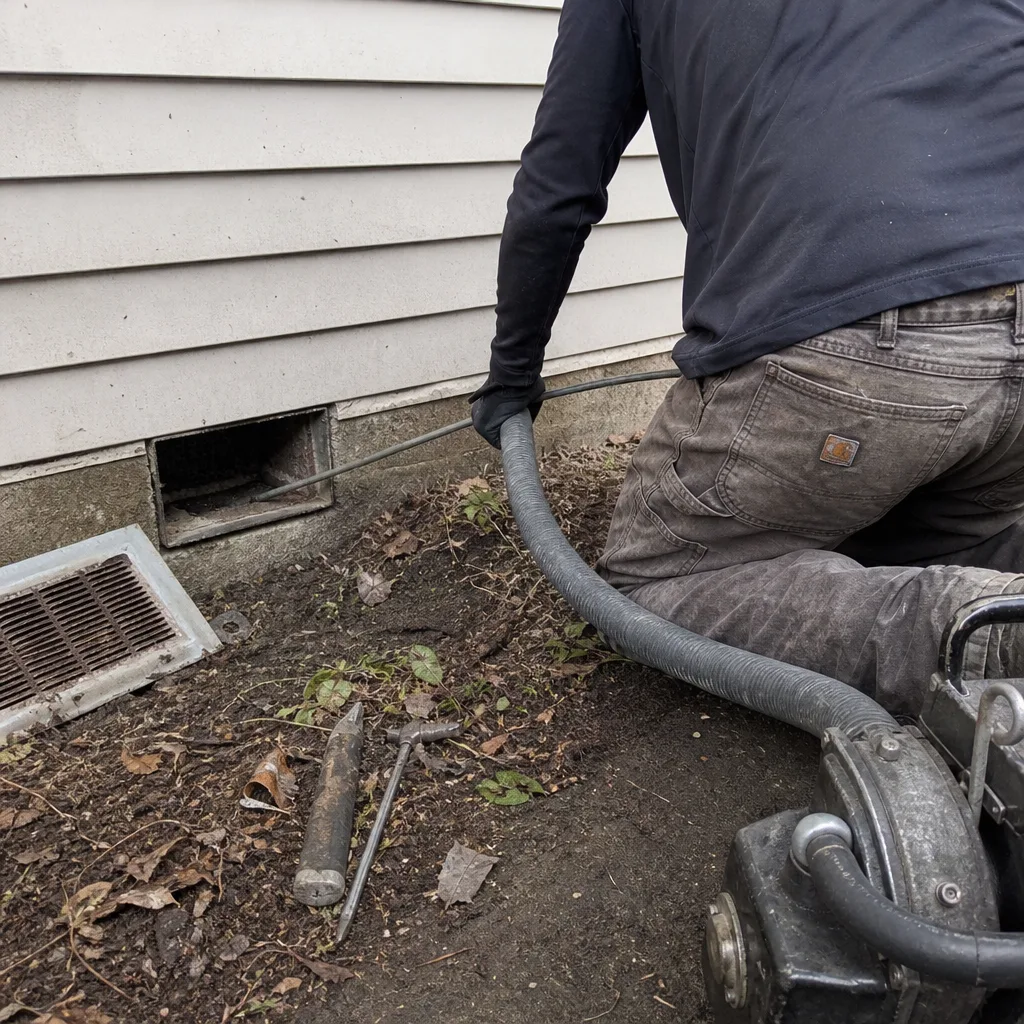 Before
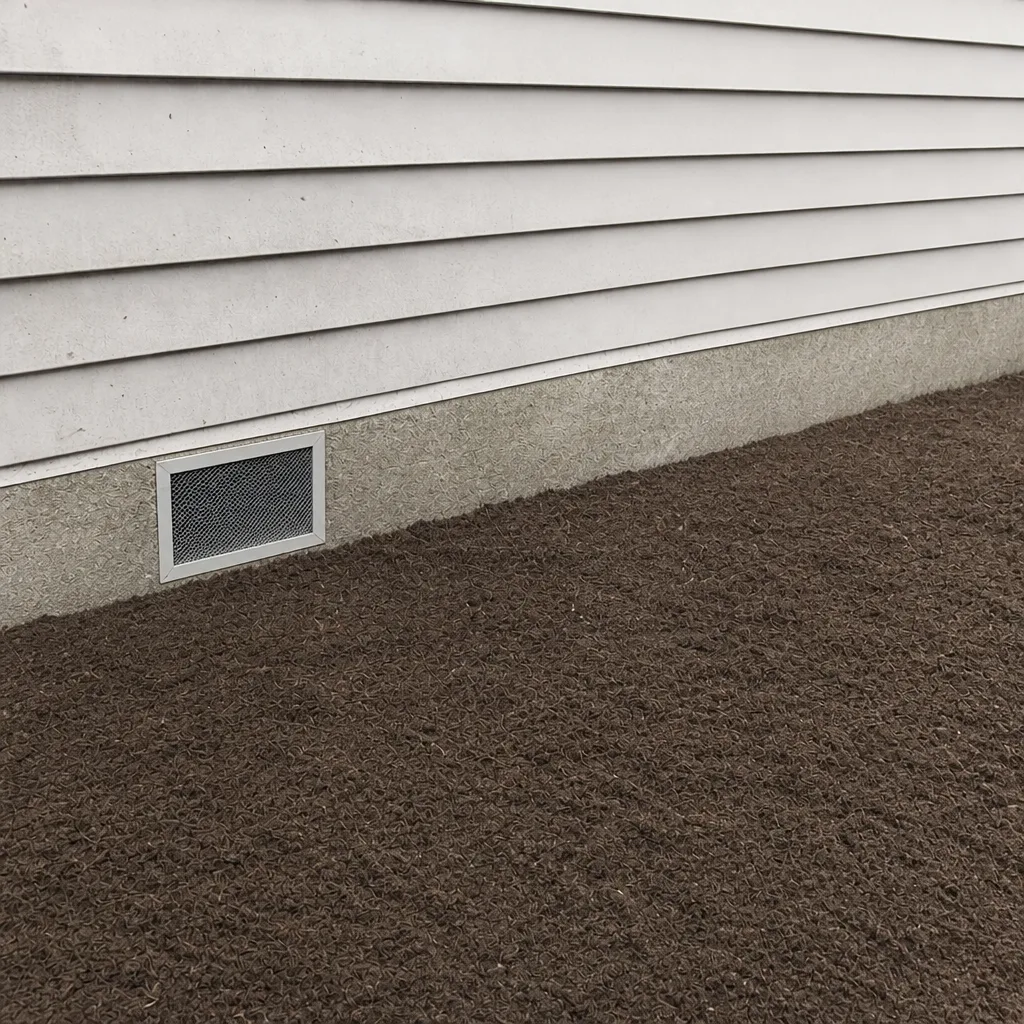 After
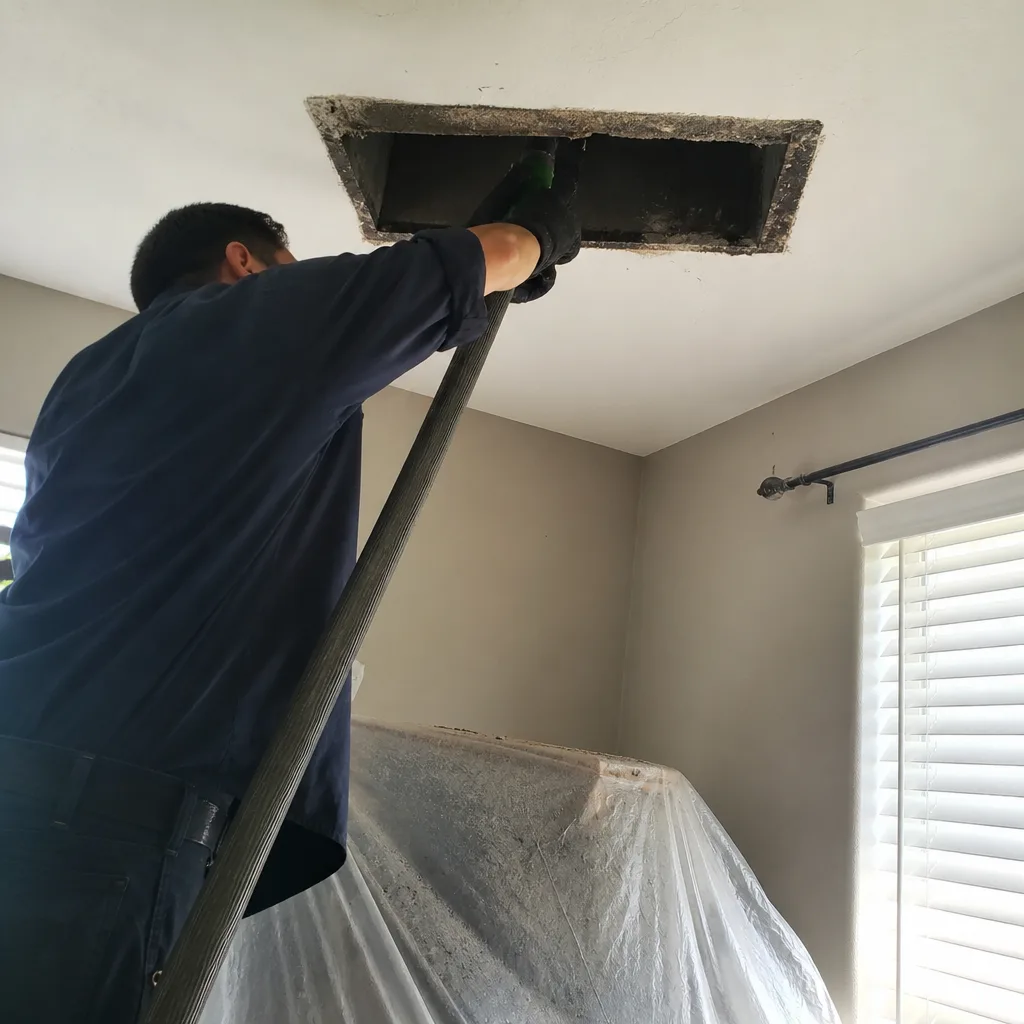 Before
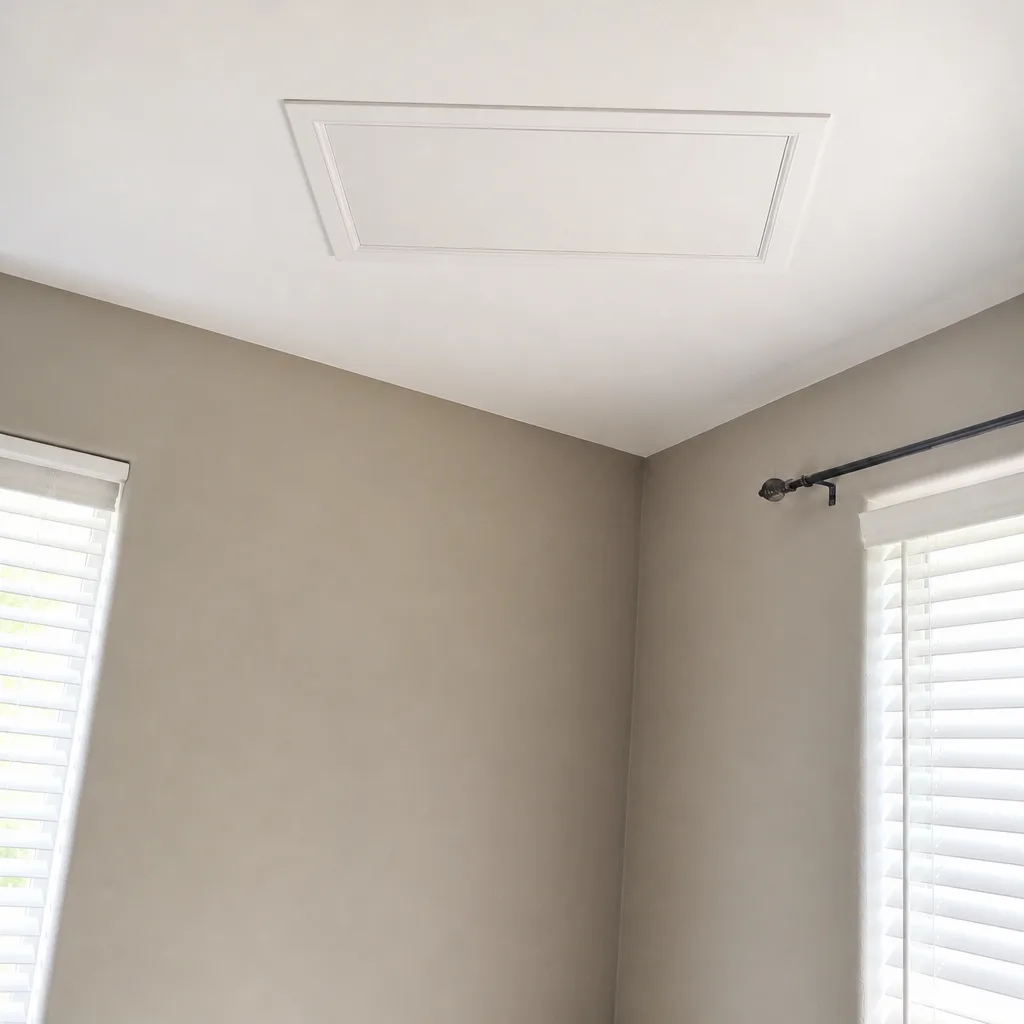 After
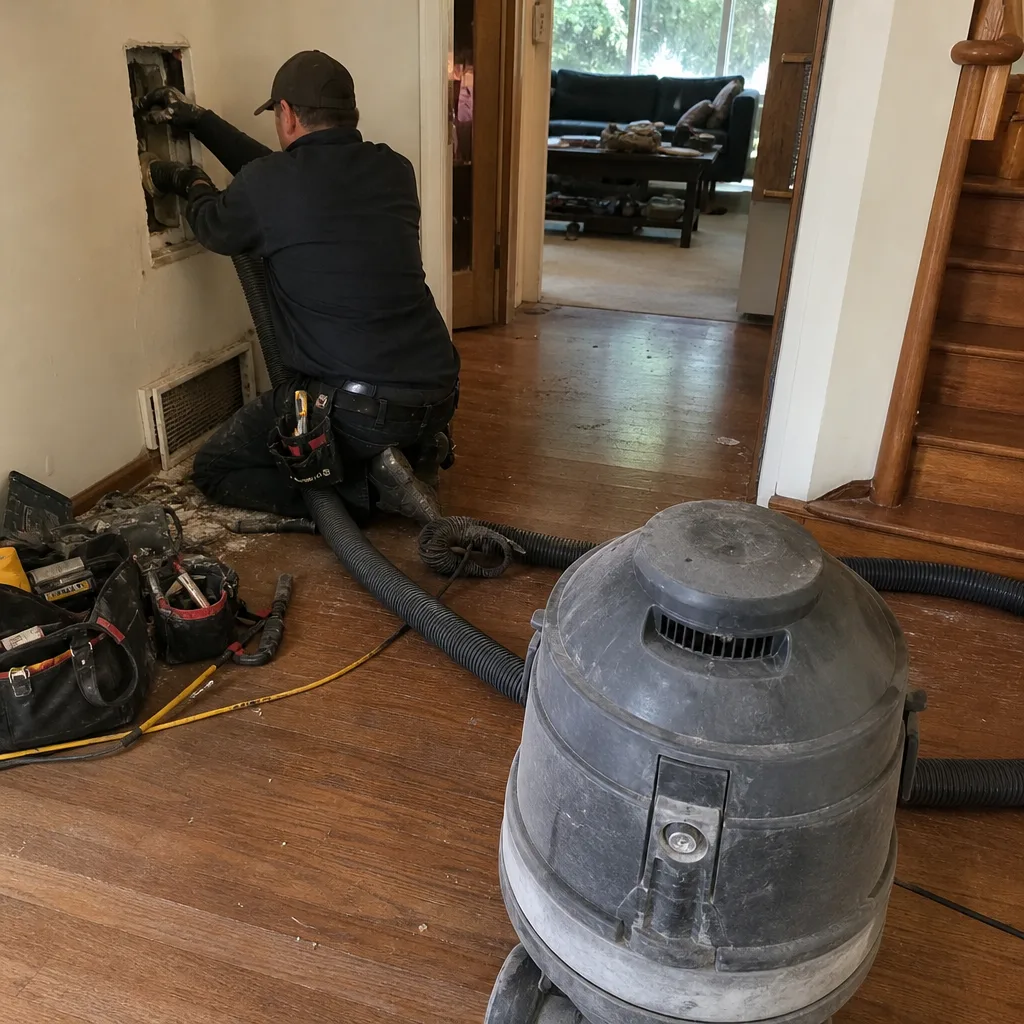 Before
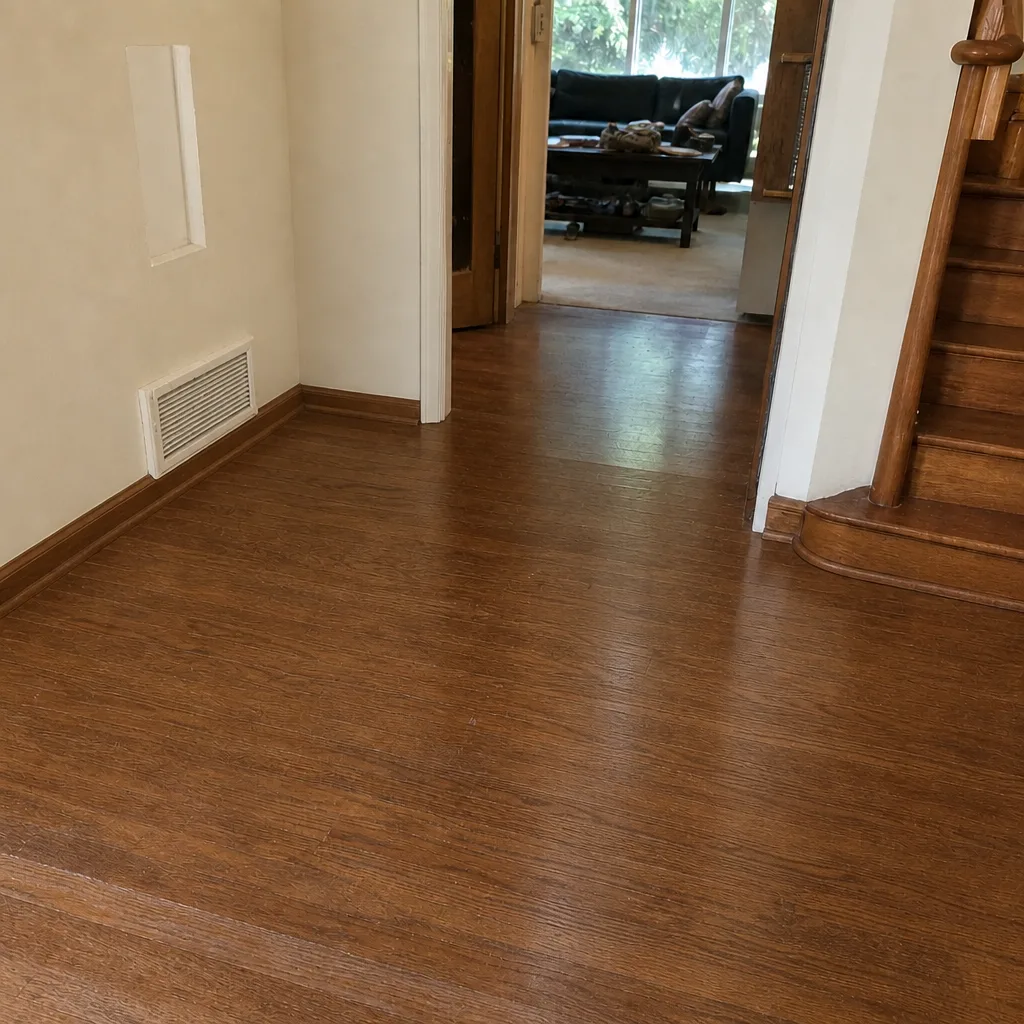 After
When to Call a Professional
Some duct care belongs to the homeowner. Filter changes, visual register checks, and the March crawl-space walk are all things you can do yourself in twenty minutes. Other signs call for a professional: visible dust plumes from a supply register, a musty smell that appears with airflow, a suspected leaking or disconnected duct, a recent renovation or new HVAC install, or a home purchase where you don’t know the history. Suspected mold growth in a crawl-space duct is a professional call from the start, and an older home with wet crawl-space ductwork should be inspected before adding another season to the load.
If the first heat cycle in fall is what made you start reading this, that’s the moment to get a professional look. Auburn Air Duct Cleaning Co offers free estimates in Auburn. Call (877) 792-5686. We answer 24/7. Fast dispatch from 7am to 7pm, Sunday through Friday. The price is set per job by the written estimate, and we show before-and-after photos of your own ducts so you can see what changed.
Frequently Asked Questions
Most Auburn homes do best on a yearly inspection with a full cleaning every two to four years, adjusted for what the inspection finds. The three-to-five-year rule many sites cite was not built for a valley climate with inversion-driven smoke and a wet late-winter crawl space. Homes with a damp crawl space, wood-burning heat, or a recent renovation trend toward the shorter end. Call (877) 792-5686 for an exact quote – estimates are free.
Fall is when the system switches from cooling to heating for the first time in months, and months of accumulated debris get lifted and delivered into every room at once. Cooling keeps ducts on the drier side, so a buildup can sit mostly undisturbed until the blower reverses. The first heat cycle is when most problems reveal themselves, which is why the pre-season check matters. Call (877) 792-5686 for an exact quote – estimates are free.
Yes, mainly through the crawl space. Saturated ground from February through April pushes moisture into crawl spaces, and duct runs sitting there can lose insulation value and take on moisture through failing joints, sagging flex, or a compromised vapor barrier. That dampness is the environment where microbial growth takes hold. If your home has crawl-space ductwork, a March and April walk-through is worth the twenty minutes. Call (877) 792-5686 for an exact quote – estimates are free.
Cheaper quotes often cover only a surface vacuum of the accessible runs, without the rotary contact cleaning, HEPA extraction, or repair scope that actually addresses the duct interior and the leaks around it. The price looks lower because the work is smaller, not because the service is a better deal. Honest whole-system ranges matter more than a headline number, and a written estimate when the technician arrives is what protects you from a bait-and-switch. Call (877) 792-5686 for an exact quote – estimates are free.
Ask for before-and-after photos of your own ducts, not a generic set. A professional service documents what it found and what it removed, and it shows you the state of the ducts at the end of the visit. That’s the standard we work to, and it’s the reason we can say the work was done without asking you to take it on faith. Call (877) 792-5686 for an exact quote – estimates are free.
Not automatically. A newer home with well-sealed flex and a clean, dry crawl space may not need a full cleaning for several years, but the same inversion and wet-spring conditions apply to every home in the Auburn Valley. A recent renovation or a new HVAC install is a prompt regardless of the home’s age. A short inspection tells you whether the system is in good shape or a cleaning is worthwhile. Call (877) 792-5686 for an exact quote – estimates are free.
The Bottom Line
Auburn’s four seasons each do something different to your ductwork, and a single multi-year cleaning schedule misses all four. The working rule for this climate is simpler than national averages: inspect before the first heat cycle in fall, watch filter load during the winter inversion, check the crawl-space duct runs after the wet season, and schedule cleaning plus any sanitizing treatment in the dry summer months when the work cures properly. A rolling twelve-month inspection rhythm turns duct care from a guessing game into a routine. When the signs point to professional work, get an honest inspection and a written estimate before anything starts.
Written by the team at Auburn Air Duct Cleaning Co.