
Last updated November 25, 2026
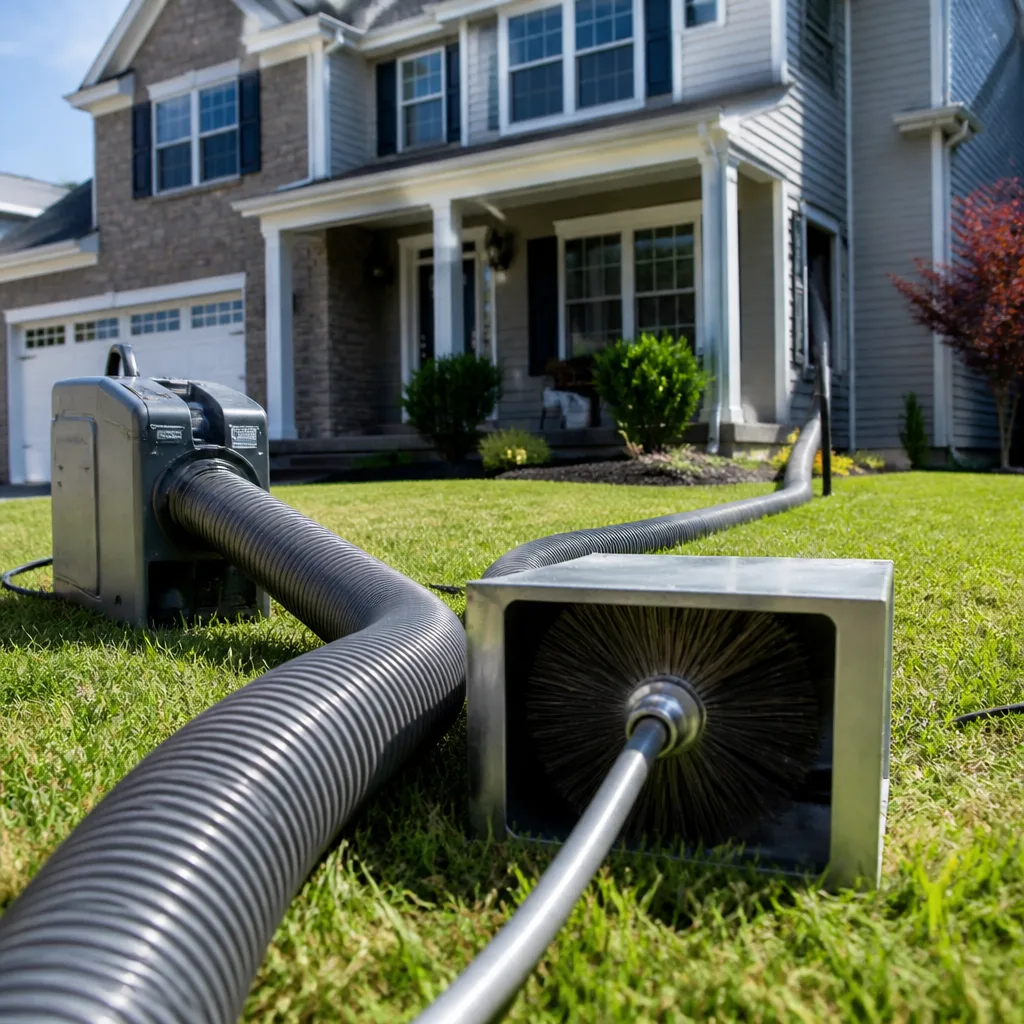 Whole-home duct cleaning
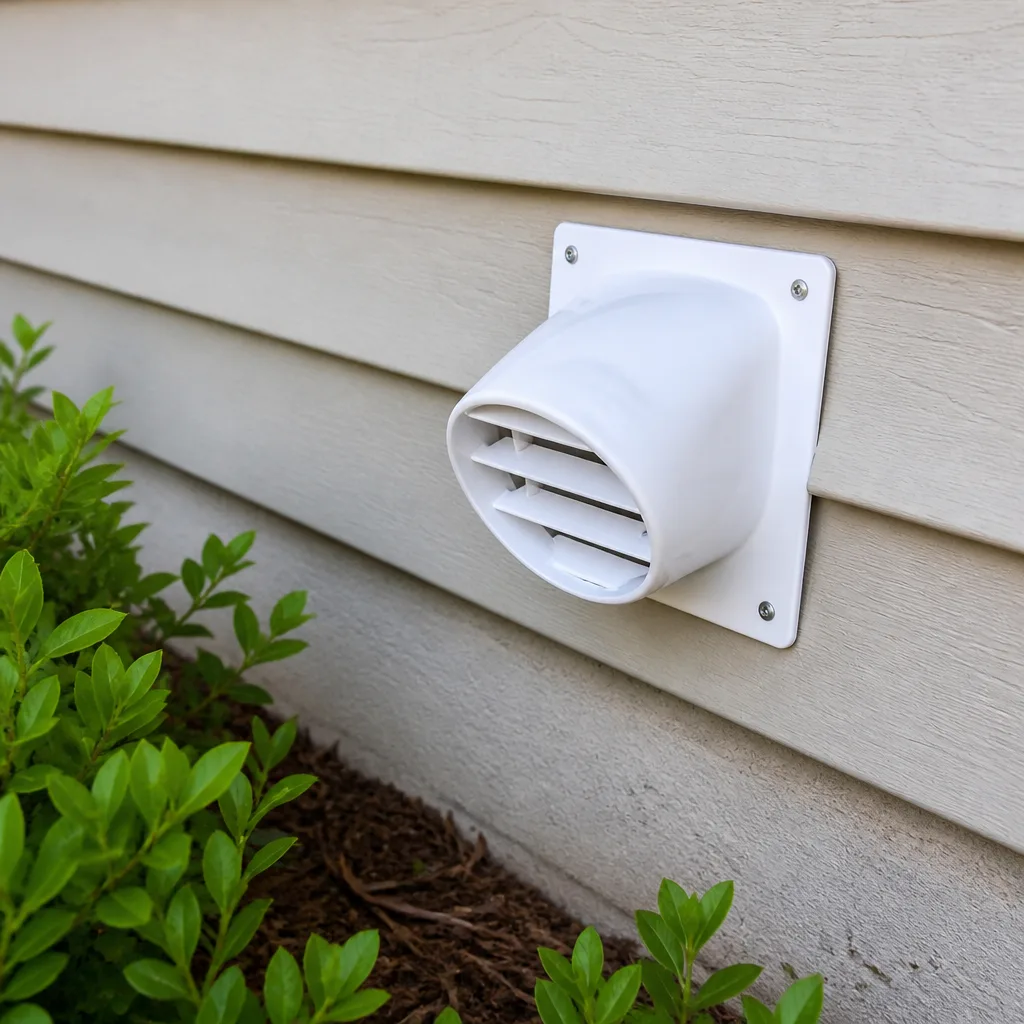 Dryer vent cleaning
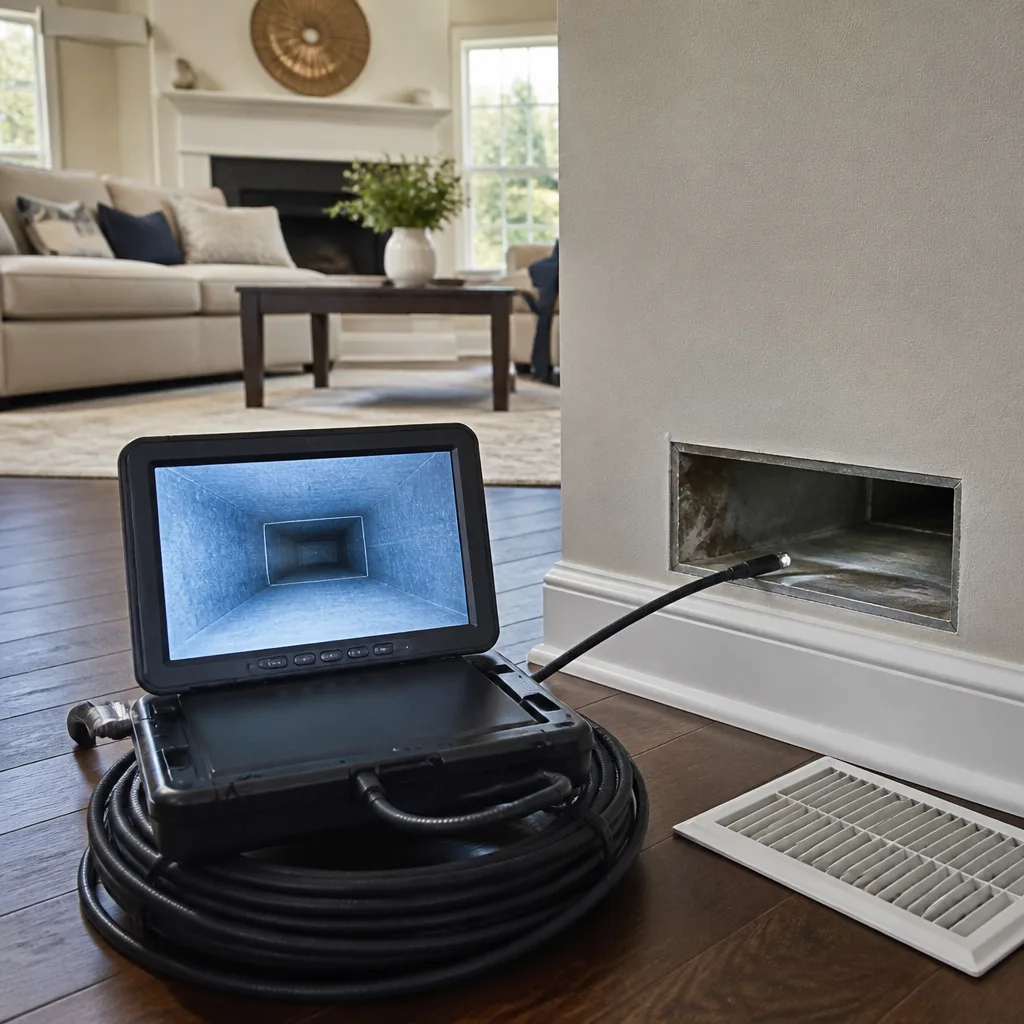 Camera inspection
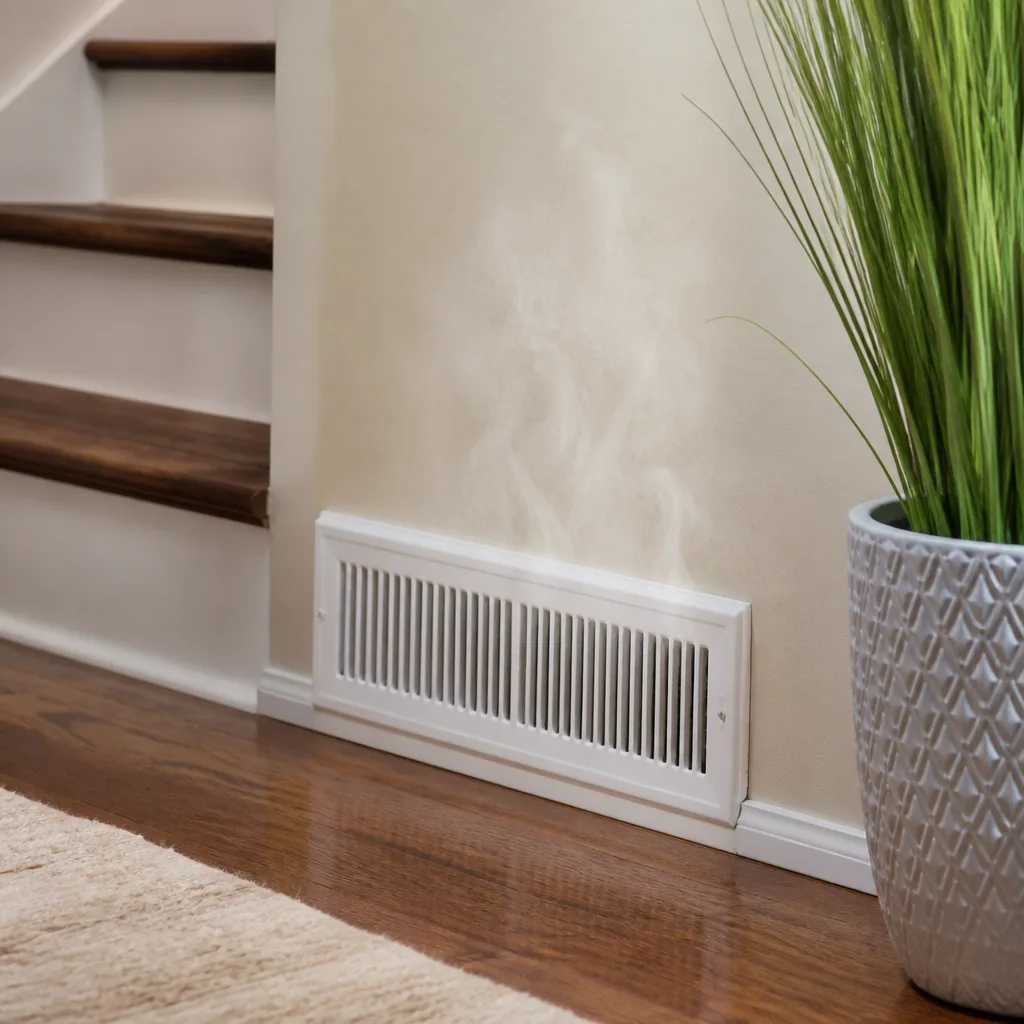 Sanitizing & deodorizing
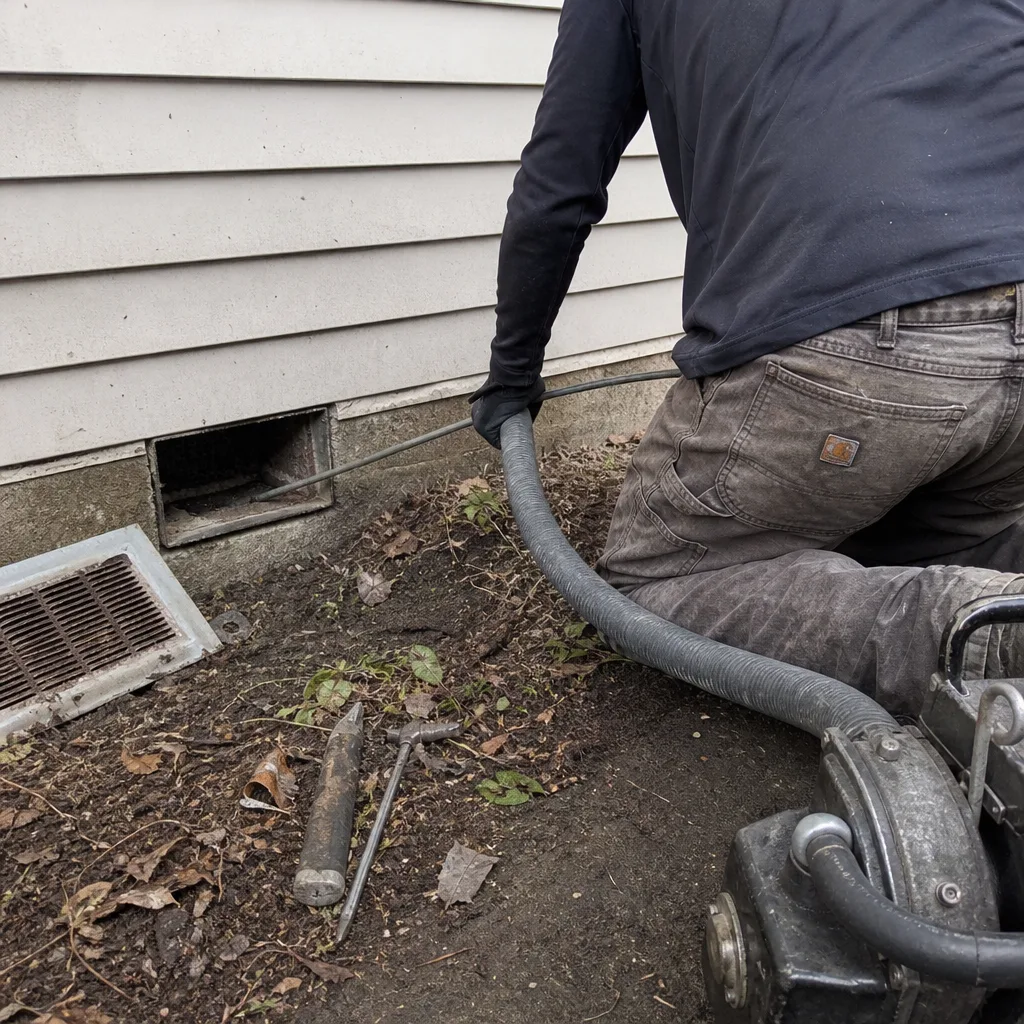
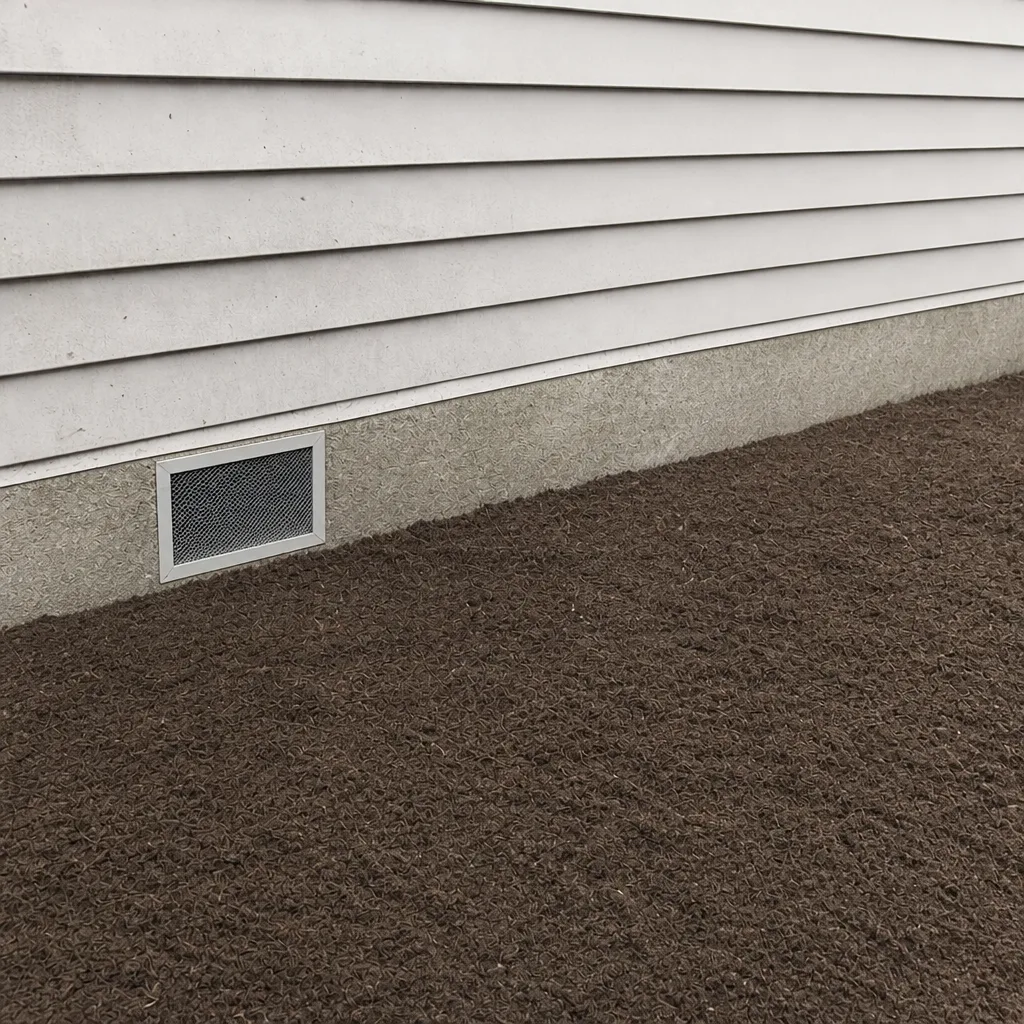
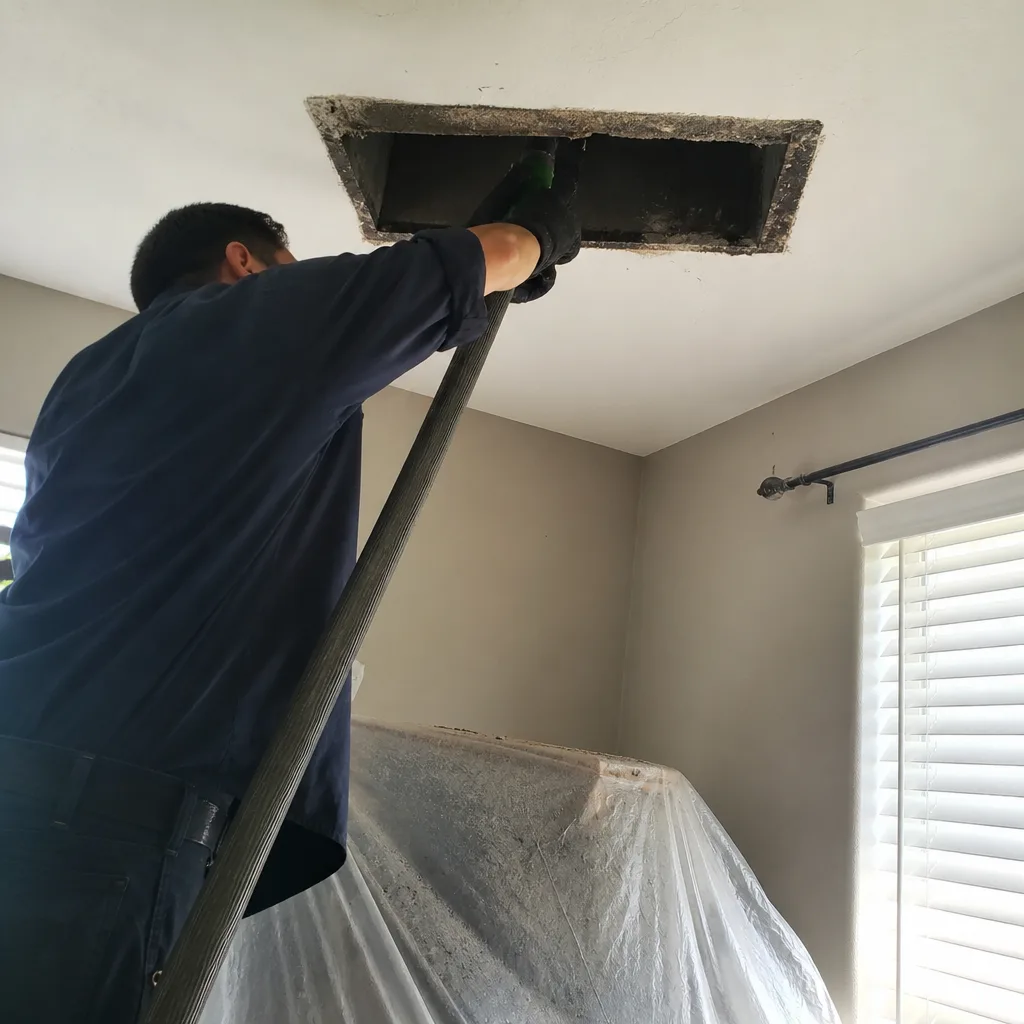
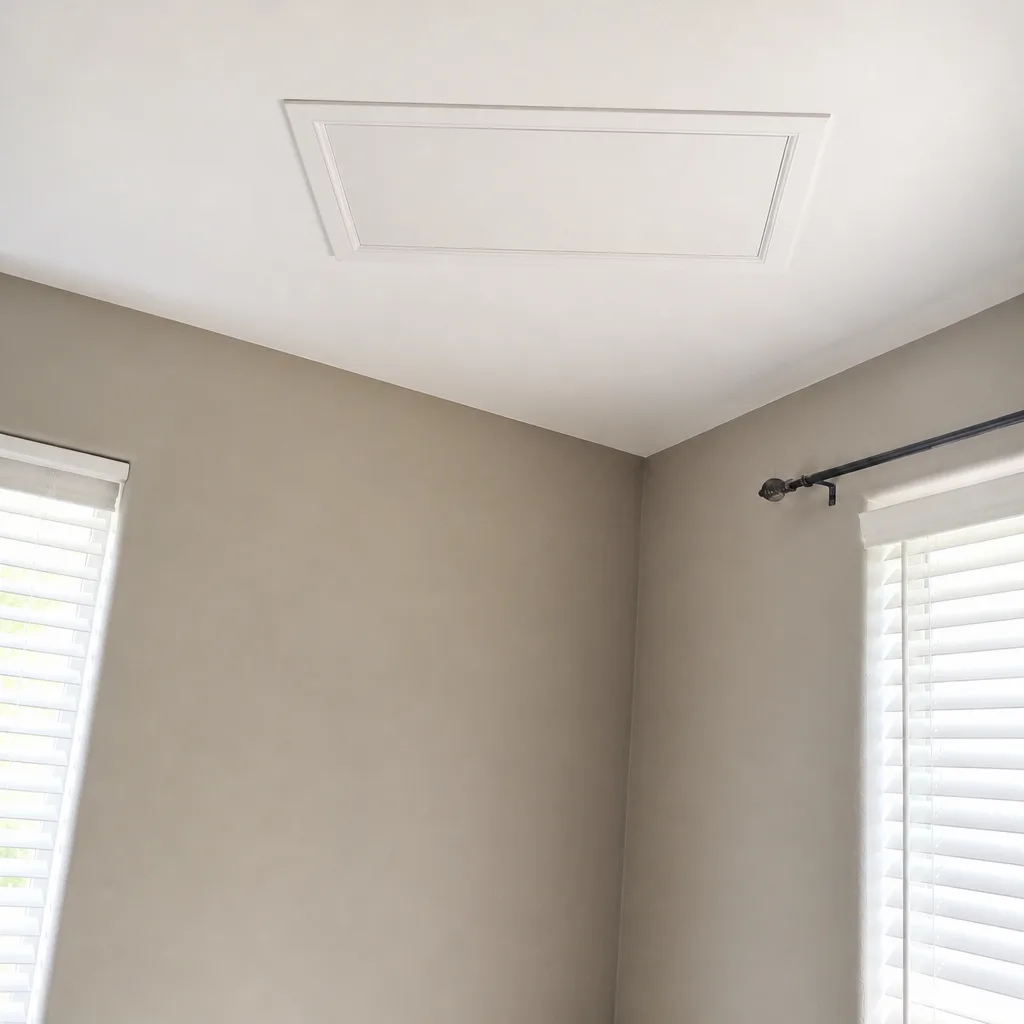
Whole-system duct and dryer vent check with before-and-after photos - you see exactly what came out of your vents
That "$99 whole-house special" is a bait ad - the real number appears once they are in your hallway, or the "clean" is a shop-vac at the register. We photograph the inside of your ducts before and after instead.
Air Duct Cleaning Cost Breakdown: The Auburn Homeowner’s Reference for 2026
The gap between an $89 duct cleaning and a $400 duct cleaning in Auburn isn’t mostly profit margin. It’s equipment capacity, labor time, and whether your system is actually clean when the van leaves. A portable shop vac and a truck-mounted vacuum pulling thousands of cubic feet per minute are not doing the same job, even when both companies call it “air duct cleaning.” That’s why comparing quotes on price alone is the fastest way to overpay for work that never happened. This guide breaks down every price tier in the Auburn market, what each one physically can and cannot accomplish, and the specific scope items to standardize so you’re comparing real equivalents. By the end you’ll know exactly what a fair quote for your Auburn home should include.
Quick Answer
Air duct cleaning in Auburn, WA in 2026 typically runs $350 to $550 for a professional-grade whole-system job that includes truck-mount or HEPA-rated vacuum equipment, rotary contact cleaning, and documented before-and-after results. Sub-$150 quotes usually reflect a portable-vacuum surface pass that can’t reach the full duct run. Your final number depends on square footage, vent count, crawl-space versus attic routing, and whether you add legitimate extras like dryer vent cleaning or sanitizing.
Styles & brands we work with
- Whole-home duct cleaning
- Dryer vent cleaning
- Camera inspection
- Sanitizing & deodorizing
Table of Contents
- What Each Price Tier Actually Buys
- The CFM and Contact-Time Math Nobody Explains
- Cost Variables Specific to Auburn Homes
- Legitimate Add-Ons vs. Manufactured Urgency
- What the $350 – $550 Range Actually Buys
- How to Get a Comparable Quote From Multiple Contractors
- Common Mistakes to Avoid
- When to Call a Professional
What Each Price Tier Actually Buys
Most homeowners assume every company offering air duct cleaning in Auburn is quoting the same service at different prices. They almost never are. The industry uses one label for at least three fundamentally different jobs, and the price telegraphs which one you’re getting.
The Sub-$150 Tier: What a Portable Vacuum Can’t Physically Do
A few minutes with a portable vacuum and a brush on a flexible pole is what this tier buys. It’s equipment designed for a job it can’t complete. A shop-vac pulls roughly 100 to 200 cubic feet per minute of airflow at the hose. Your HVAC air handler moves 1,200 to 2,000 CFM. That mismatch matters: the vacuum has to pull enough air volume through the duct to keep loosened debris airborne and moving toward the collection point. A low-CFM vacuum creates what technicians call “dust mobilization without capture” – it loosens grit from the duct wall and blows it into your living space instead of out of it. In a typical Auburn home, this tier means: one pass per visible vent, no rotary contact cleaning, no access to the full duct run, no documentation, and no HEPA filtration on the exhaust.
The $150 – $300 Tier: A Heavier Pass, Still Limited
This range often means the technician brings a larger portable HEPA unit and a rotary brush on a shorter hose. Better than a shop vac, but the vacuum is typically rated well below truck-mount capacity and the technician can only reach duct segments within hose length of each register. Long trunk lines, plenum sections, and the far ends of branch runs get skipped. For a small condominium in Auburn with short, direct ducting, this might genuinely be enough. For a two-story home with a full basement and attic runs, it isn’t.
The $350+ Tier: Professional-Grade Full-System Cleaning
This is where the equipment capabilities shift fundamentally. A truck-mount or high-capacity HEPA vacuum pulls enough CFM to create consistent negative pressure across the whole duct system during the cleaning pass. Rotary contact cleaning tools – like the Rotobrush systems we use – physically agitate debris off the duct walls so it can be carried into the collection unit rather than left clinging. And critically, this tier includes documentation: before-and-after photos of your own ducts, a written condition report, and a technician who can tell you what they found rather than what they guessed.
The CFM and Contact-Time Math Nobody Explains
Why does equipment capacity matter so much? Two numbers govern whether duct cleaning actually removes debris: airflow volume (CFM) and contact time. Understanding them is the difference between paying for cleaning and paying for the appearance of cleaning.
CFM (cubic feet per minute) is how much air the vacuum can move. To lift debris off a duct wall and carry it out, the vacuum must maintain a specific air velocity through that section of duct. Fall below it and particles settle back down before they reach the collection point. A truck-mounted unit or a HEPA-rated Nikro system is engineered to hold that velocity across a full residential run. A portable unit is not.
Contact time is how long the cleaning tool spends scrubbing each linear foot of duct. A rotary brush needs several passes at the right speed to dislodge adhered debris – construction dust, settled skin cells, pet dander, and the fine grit that accumulates over years. Skipping contact time is the cheapest way to make a job look fast. It’s also the reason a $99 cleaning can be finished in twenty minutes while a thorough job takes hours.
Here’s the plain version: a low-CFM vacuum plus short contact time equals debris that moves around inside your ducts but doesn’t leave the system. That’s the physics behind the price gap. It’s not profit margin – it’s airflow and time.
Cost Variables Specific to Auburn Homes
Two Auburn homes of the same square footage can get quotes $150 apart because of how their duct systems are built. Here are the variables that actually move the number, with realistic 2026 ranges.
Square Footage and Vent Count
More vents mean more branch runs to clean, more access points to cut and reseal, and more linear feet of duct to agitate. A 1,200-square-foot home with 8 to 10 supply vents typically lands at the low end of the professional range. A 2,800-square-foot home with 18 to 22 vents lands at the top. Each additional vent generally adds a modest amount – but keep in mind that reputable companies quote per system, not per vent. Per-vent pricing is a red flag, because it invites the technician to find more vents once they’re on site.
Crawl-Space vs. Attic Duct Routing
Auburn homes span several building eras, and the duct routing tells you a lot. Homes with ductwork in a conditioned crawl space are the easiest to access and clean. Attic runs require more setup, more ladder time, and careful containment so debris doesn’t escape into insulation. Homes where ducts run through unconditioned crawl spaces may also show more debris accumulation because of ambient moisture and pest ingress. Expect the access difficulty to shift your quote, not because of markup but because of labor time.
Age of System and Previous Pest Activity
Older Auburn homes – especially those built before modern duct sealing standards – often have unsealed joints, disconnected sections, or flex duct with sagging runs. If a technician finds rodent droppings, insect casings, or significant mold growth during the inspection, the scope shifts from standard cleaning to remediation-level work. That means containment equipment like Abatement Technologies negative-air units, sanitizing treatment, and possibly duct repair and sealing before the system can be cleaned effectively. This is legitimate scope change, not upsell – and a good technician will document it with photos before recommending it.
Recent Renovation or New HVAC Install
Construction dust is fine and abrasive. After a kitchen remodel or a new furnace install, a full duct cleaning that removes drywall dust and construction debris is worth doing before you run the system normally. This is one of the most common reasons Auburn homeowners call.
Legitimate Add-Ons vs. Manufactured Urgency
Some add-ons are genuinely worth the money. Others exist to pad the invoice. Here’s how we’d separate them if you called us and asked.
Legitimate Add-Ons
- Dryer vent cleaning – A real fire-prevention service, especially for homes where the dryer has run for years without a vent cleaning. Lint accumulates in the duct and reduces airflow, and it’s combustible. This is why we include dryer vent cleaning in our service offerings rather than treating it as unrelated work.
- Coil and blower cleaning (HVAC cleaning) – If your evaporator coil or blower wheel is coated with dust, cleaning it improves airflow and cooling efficiency. Separately from duct cleaning, this is what HVAC cleaning covers, and it’s a worthwhile add-on for systems that haven’t been serviced in years.
- Sanitizing treatment – Appropriate when the inspection finds microbial growth or pest residue. A Guardsman-grade sanitizing treatment addresses contamination at the source. Sanitizing a duct system that isn’t contaminated adds cost without benefit, so ask to see what the technician found before agreeing.
- Duct sealing, when leakage is documented – Sealed ducts move conditioned air where it’s meant to go. That’s a real efficiency gain. But sealing should be recommended only after the technician measures or documents leakage. Offering sealing on every job without that evidence is a pitch, not a diagnosis.
Manufactured Urgency to Question
- UV air purification quoted on a healthy system. UV systems have genuine uses, but they aren’t a default add-on. If your duct inspection shows no mold and your blower is clean, ask why a UV system is being recommended.
- Duct sealing offered as an automatic line item without leakage documentation.
- Sanitizing added to every job regardless of what the inspection found.
- “You need this today” language on items the technician hasn’t shown you a photo of.
We integrate Honeywell and Aprilaire filtration and purification products when a homeowner wants to improve air quality long-term after cleaning. That decision should be yours, made after you’ve seen the evidence, not bundled into a pressure pitch.
What the $350 – $550 Range Actually Buys
This is the range we aim for on a typical Auburn whole-home job, and here’s what makes it worth the money versus a cheaper quote.
- Truck-mount or high-capacity HEPA vacuum equipment capable of holding negative pressure across the whole system during cleaning.
- Rotary contact cleaning on every accessible duct run – not one brush stroke per vent. Our technicians use Rotobrush rotary contact systems, the same class of equipment commercial HVAC contractors use.
- HEPA-rated exhaust capture so the debris leaves your home rather than getting redistributed into the living space. This matters more than most homeowners realize.
- Before-and-after photos of your own ducts and a written condition report documenting what was found, what was cleaned, and what (if anything) needs follow-up.
- Access-point cutting and resealing at every cleaning point, done cleanly and sealed with proper materials.
- The option to bundle related services in a single visit – if your system also needs HVAC cleaning or duct repair, doing it in the same service visit avoids a second setup cost.
What this buys you is documentation and verifiable results. Not a claim. A report you can look at and a set of photos you can hold onto. If a company can’t show you before-and-after images of your own ducts, ask why.
How to Get a Comparable Quote From Multiple Contractors
Gathering three quotes is smart. The trick is standardizing what each quote covers so you’re comparing real equivalents. Use this checklist to write your own request for quotes.
- State the vent count. Ask each company to clean every supply and return vent and every accessible duct segment, not just visible registers.
- Ask what vacuum equipment they’ll use, and its capacity. If the answer is a portable shop vac, you know what tier you’re being quoted.
- Require before-and-after photos of your own ducts in the quote scope. This one item separates legitimate operators from improvised ones.
- Ask whether access-point cutting and resealing is included. Some quotes add it afterward.
- Request a written condition report. A company that won’t put findings in writing is telling you something.
- Quote per system, not per vent. A per-vent quote lets the company add vents on site without a scope change conversation.
- Ask for the estimated service window. A thorough cleaning takes a meaningful block of time. If the quote implies “an hour,” ask what’s being skipped.
- Compare the scope line by line. Not the final dollar figure. Different quotes with the same total may include wildly different scope.
When you’re ready to price your own home, Auburn Air Duct Cleaning Co offers free estimates so you can compare our quote against others on the same checklist.
Common Mistakes to Avoid
- Choosing the cheapest quote without reading the scope. A $99 quote and a $450 quote for “duct cleaning” may not include the same work. Read what’s covered, especially equipment and documentation.
- Accepting a per-vent price. Per-vent pricing invites a surprise invoice when the technician counts more vents than you did. Ask for a whole-system price in writing.
- Not asking what vacuum equipment will be used. Ask for the brand and capacity. You’ll learn quickly whether you’re getting a shop vac or a HEPA-rated unit.
- Letting add-ons get bundled in without documentation. Sanitizing, sealing, and UV systems should be recommended only after a technician has shown you what they found. If there’s no photo, there’s no diagnosis.
- Skipping the before-and-after photos. If the company can’t produce them, you can’t verify the work. Ask before you book.
- Assuming every company handles crawl-space and attic routing. Attic runs take different setup. Ask whether the quote accounts for the access difficulty of your specific home.
- Ignoring a recent renovation or new HVAC install. Construction debris and drywall dust belong in a duct cleaning quote, not a later follow-up visit. Tell the estimator what changed.
See the difference
 Before
 After
 Before
 After
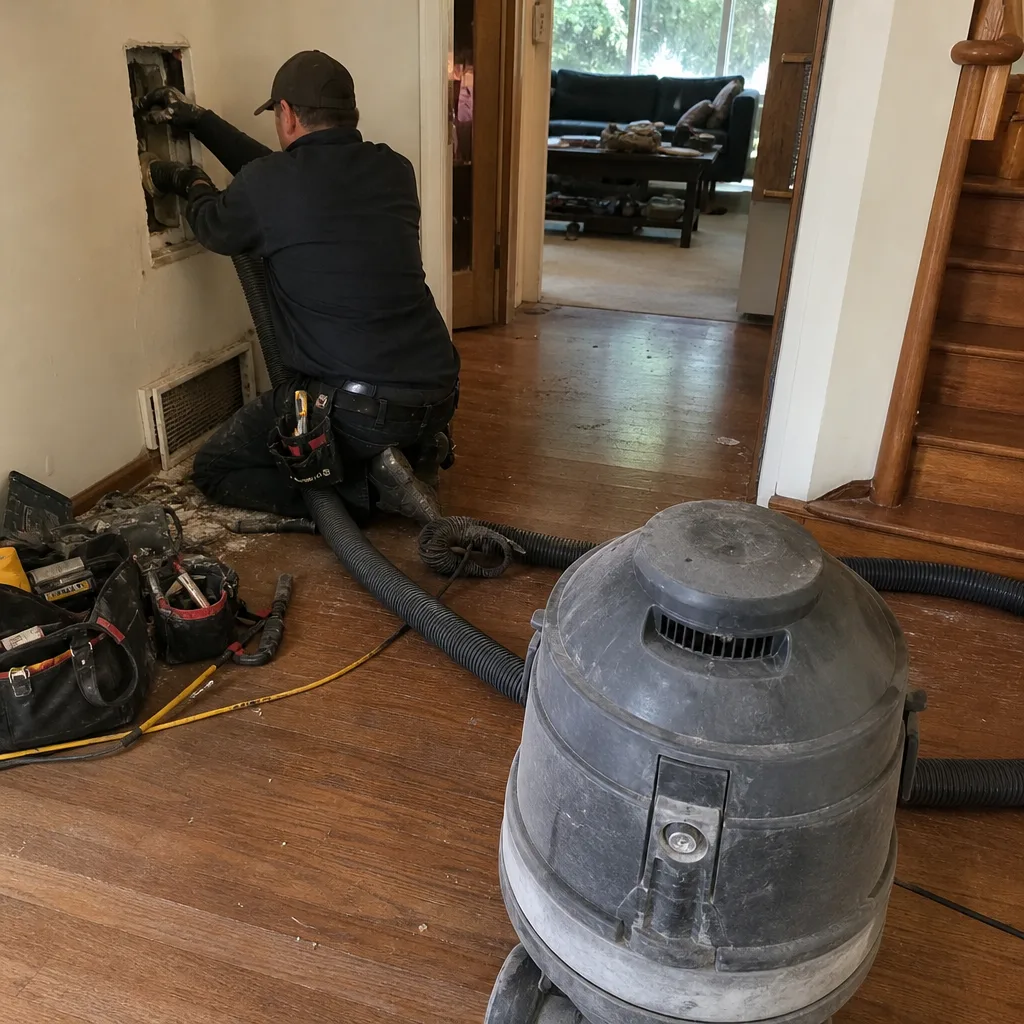 Before
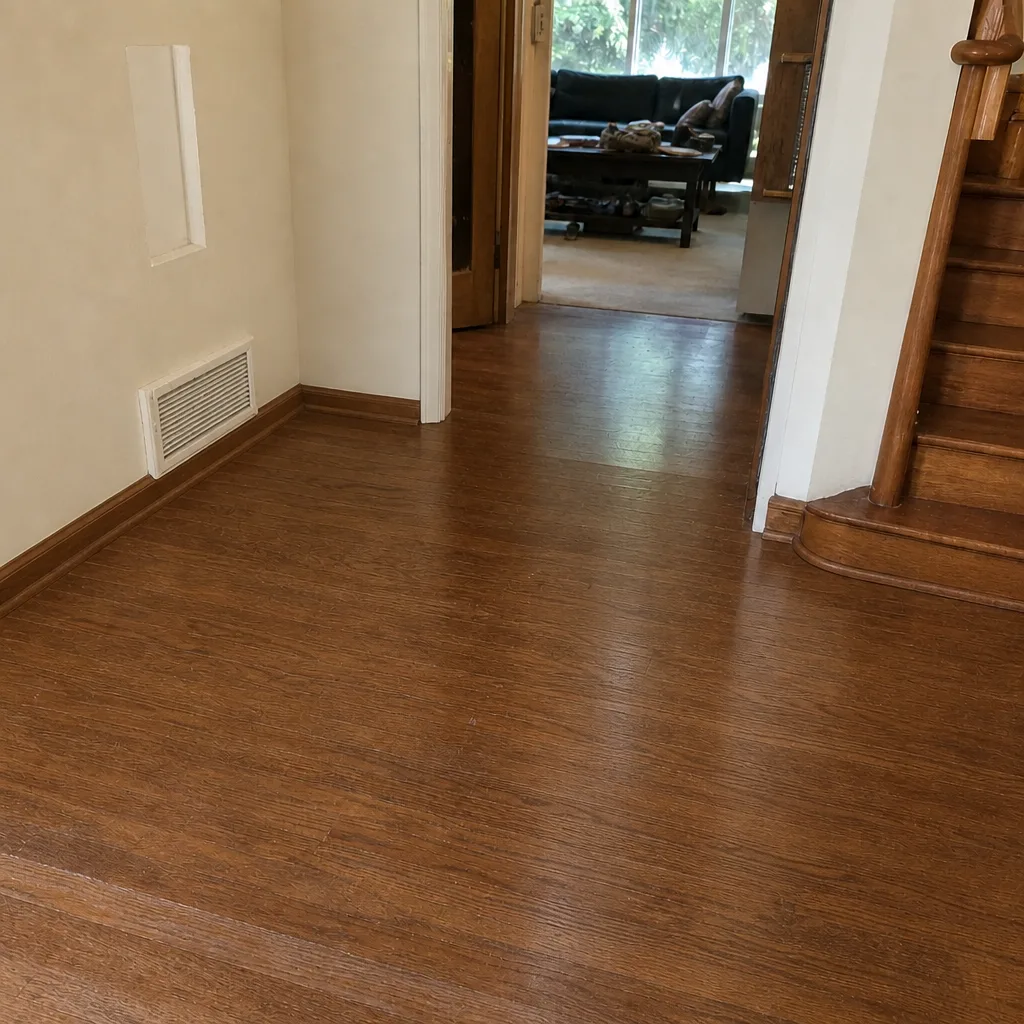 After
When to Call a Professional
Some homes need a professional visit on a schedule. Others need to call the moment something changes. The triggers that make calling worthwhile: a recent renovation or new HVAC install where construction dust is sitting in your duct system, persistent allergies or respiratory irritation in one or more family members, visible dust near vents that keeps returning after cleaning, a previous pest problem where droppings or casings may be in the ducts, a dryer that takes two cycles to dry a load (a sign the dryer vent cleaning is overdue), or moving into a home where the duct history is unknown. If you’ve never had the ducts cleaned and live in an older Auburn home, an inspection is a reasonable first step to see what’s actually in there. Auburn Air Duct Cleaning Co offers free estimates in Auburn – call (877) 792-5686. We answer 24/7. Fast dispatch from 7am to 7pm, Sunday through Friday.
Frequently Asked Questions
Air duct cleaning in Auburn typically runs $350 to $550 for a professional-grade whole-system job on a typical home in 2026. Smaller homes with straightforward crawl-space routing land lower. Larger homes with attic runs, many vents, or remediation-level scope land at the top or above. Sub-$150 quotes exist, but they reflect lower-capacity equipment and no documentation. Call (877) 792-5686 for an exact quote – estimates are free.
Cheaper quotes aren’t always for the same service. A low quote often means a portable vacuum instead of a HEPA-rated or truck-mount unit, a short single pass per vent instead of rotary contact cleaning, and no before-and-after photos or written condition report. In most cases, the difference isn’t what they charge for duct cleaning – it’s that they’re quoting a different, lighter job. It’s worth asking what equipment and scope each quote includes. Call (877) 792-5686 if you want to compare ours on the same checklist.
Ask for before-and-after photos of your own ducts and a written condition report. That’s the honest answer. Any company using professional equipment can produce both. If a company can’t or won’t show you documentation of the cleaning, you can’t verify the work happened – regardless of what you paid. We document every job with photos and a report. Call (877) 792-5686 for a free estimate.
For most Auburn homes, every three to five years is a reasonable interval, though the right answer depends on your situation. Homes with pets, allergy sufferers, recent renovations, or a history of pest activity often benefit from more frequent cleaning. Homes without those factors can go longer. The honest approach is to have the system inspected and let the technician report what they actually see. Call (877) 792-5686 for a free estimate.
We use professional-grade equipment from Rotobrush and Nikro – rotary contact cleaning systems and HEPA-rated vacuum units designed for full residential duct systems. Not consumer-grade shop vacs. The equipment is part of why a full-system job takes real time and delivers verifiable results. Call (877) 792-5686 with questions about what we’d use on your home – estimates are free.
We document it with photos and explain the scope change before recommending work. Duct repair and sealing is one of our five core services, so we can address disconnected or damaged sections rather than leaving you with a report and a referral. If mold or pest contamination is found, sanitizing and containment work with Abatement Technologies equipment is part of the solution. Call (877) 792-5686 for a free estimate and be upfront about any previous pest or moisture problems so the quote is accurate.
The Bottom Line
Air duct cleaning costs in Auburn in 2026 range from sub-$150 to $550+ depending on the equipment, the scope, and whether the company documents the work. The cheapest quote is usually a different, lighter service sold under the same name. A fair professional quote runs $350 to $550 for a typical home, includes HEPA-rated vacuum capture and rotary contact cleaning, and comes with before-and-after photos of your own ducts plus a written condition report. Compare quotes on scope and equipment, not headline price. If a quote doesn’t include documentation, keep looking.
For a free estimate from a team that documents every job with photos and a written report, call (877) 792-5686. We answer 24/7. Fast dispatch from 7am to 7pm, Sunday through Friday. Air duct cleaning and HVAC cleaning are part of the same service visit when applicable – one price, set by the written estimate, agreed before work starts.
Written by the team at Auburn Air Duct Cleaning Co.