
Last updated November 25, 2026
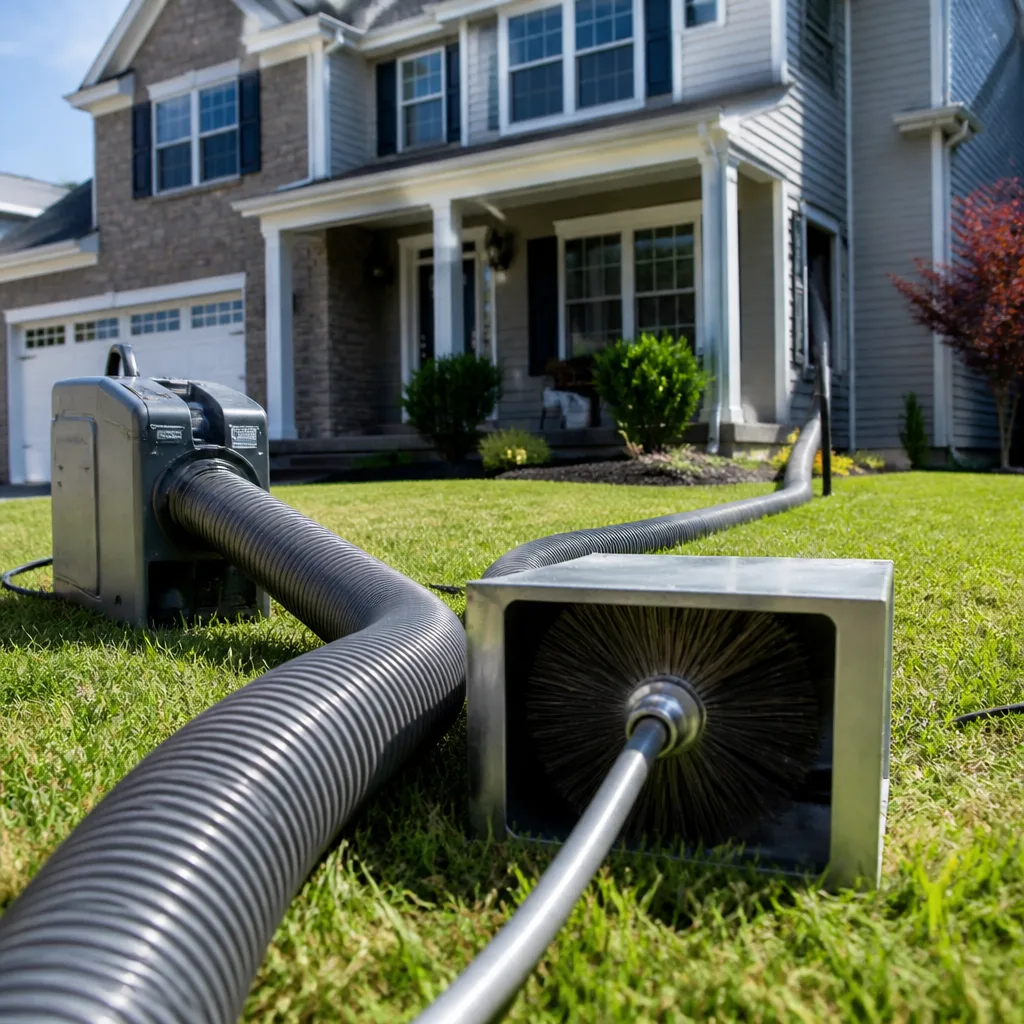 Whole-home duct cleaning
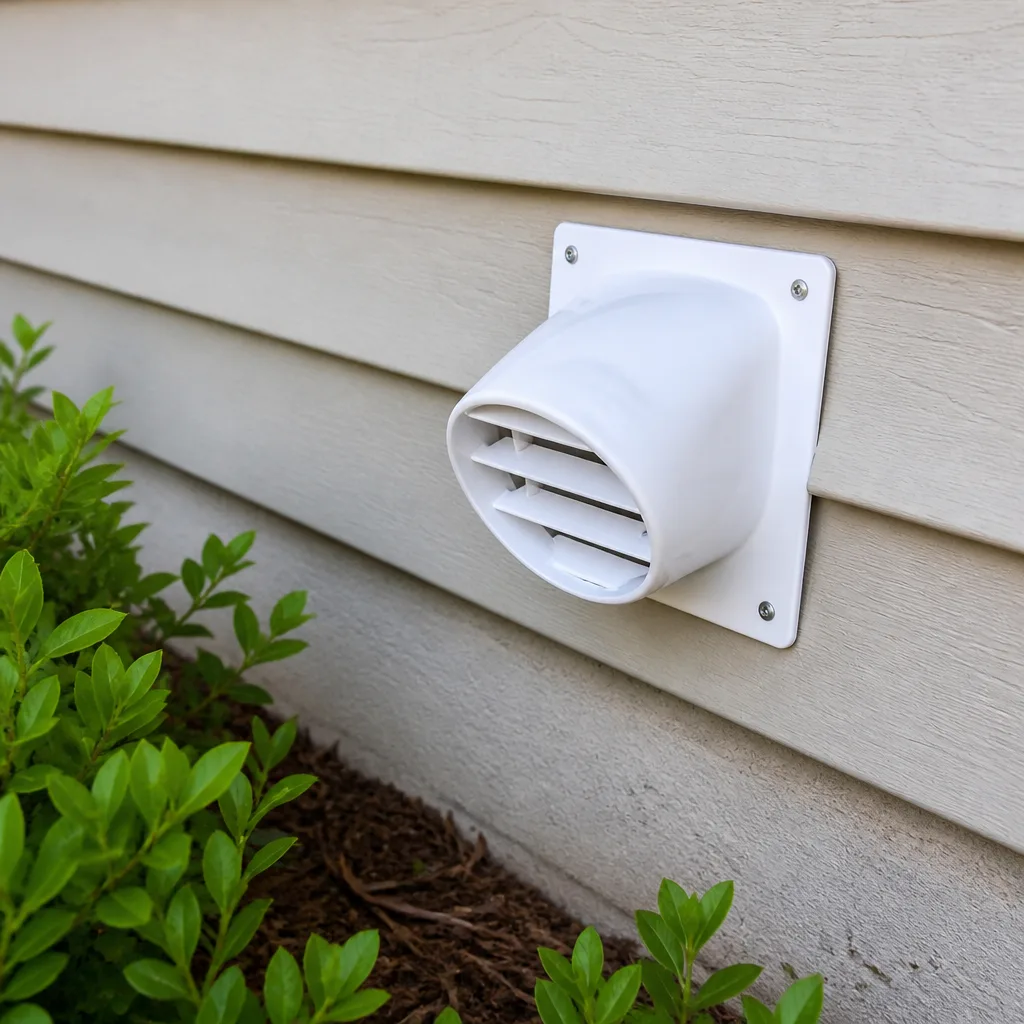 Dryer vent cleaning
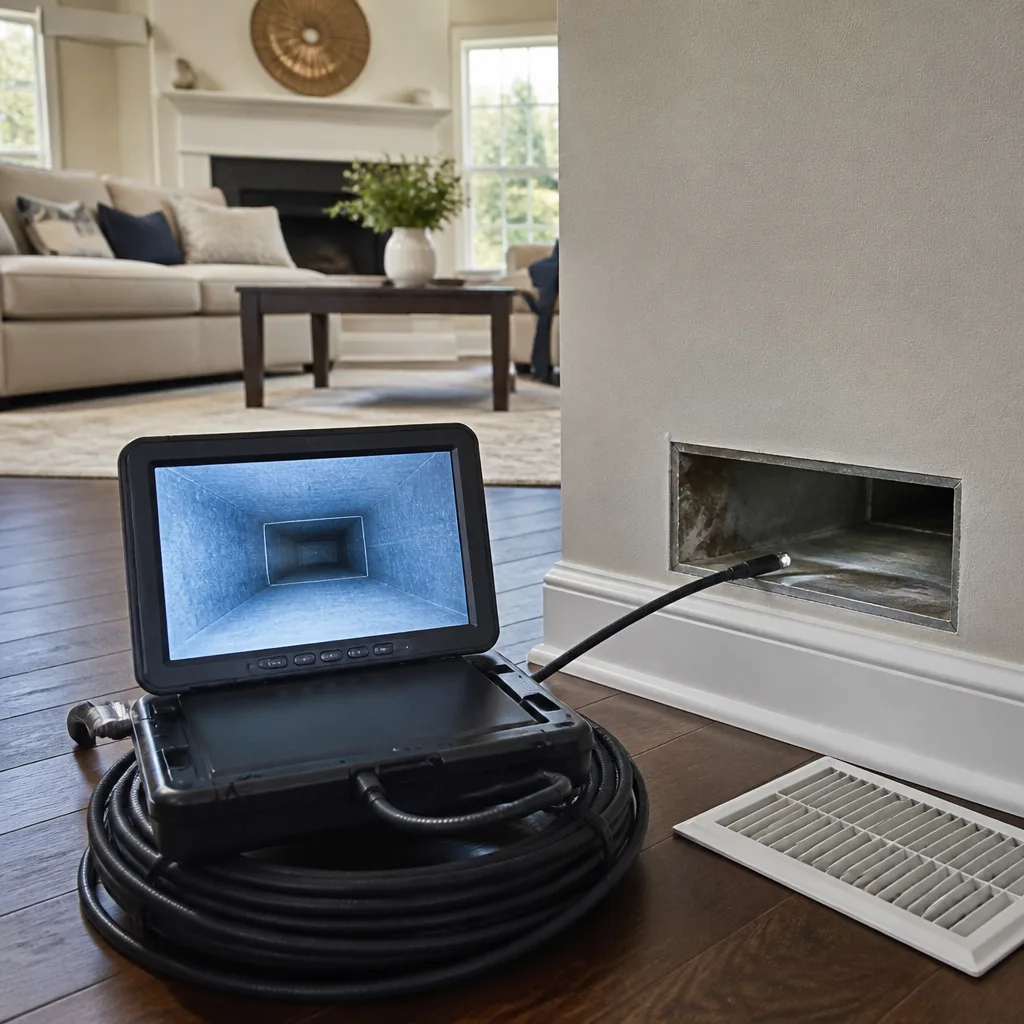 Camera inspection
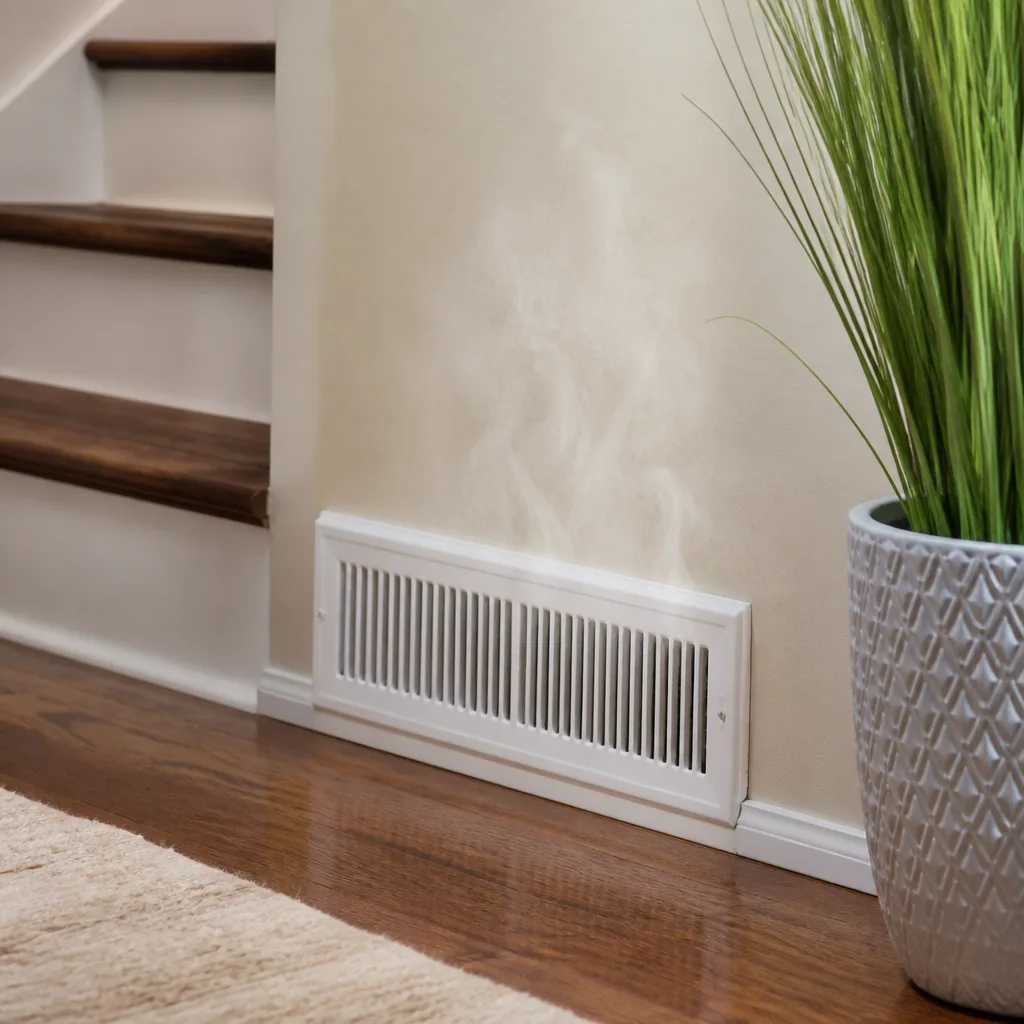 Sanitizing & deodorizing
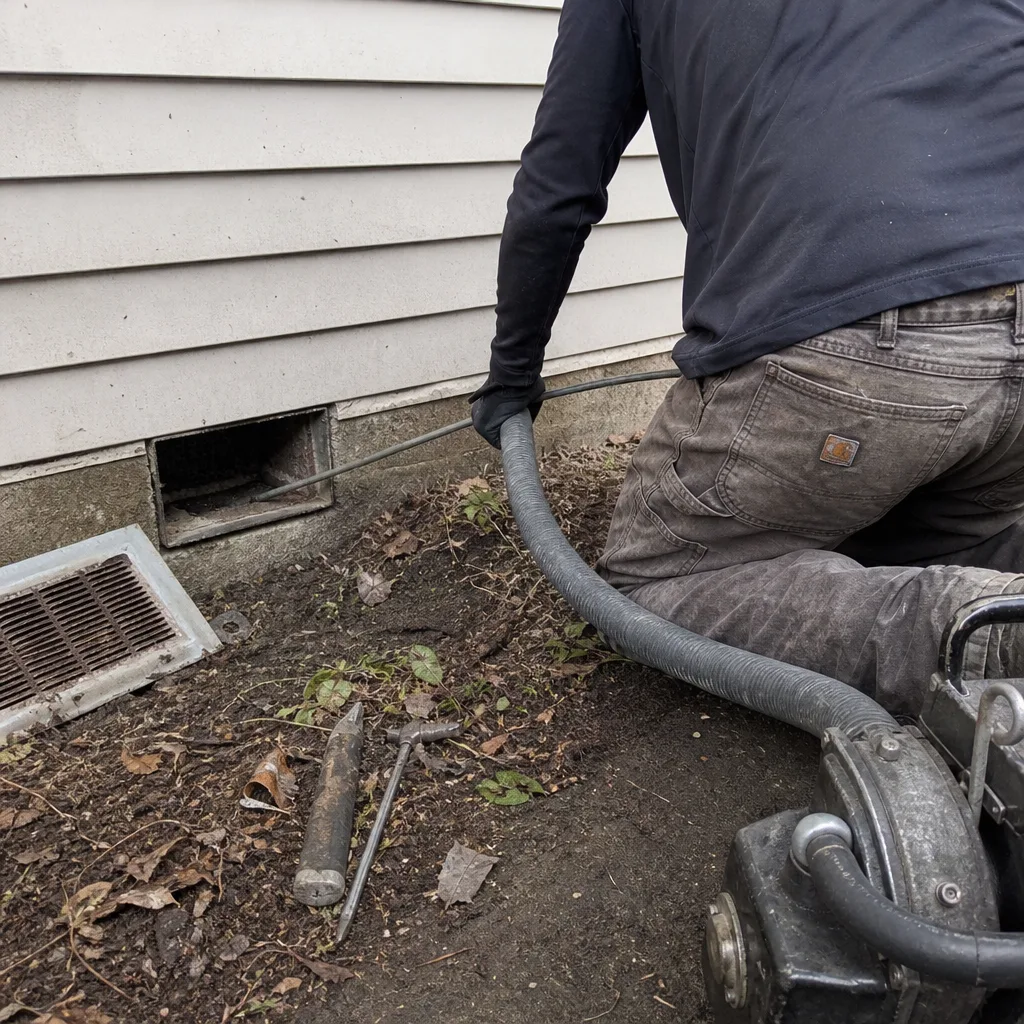
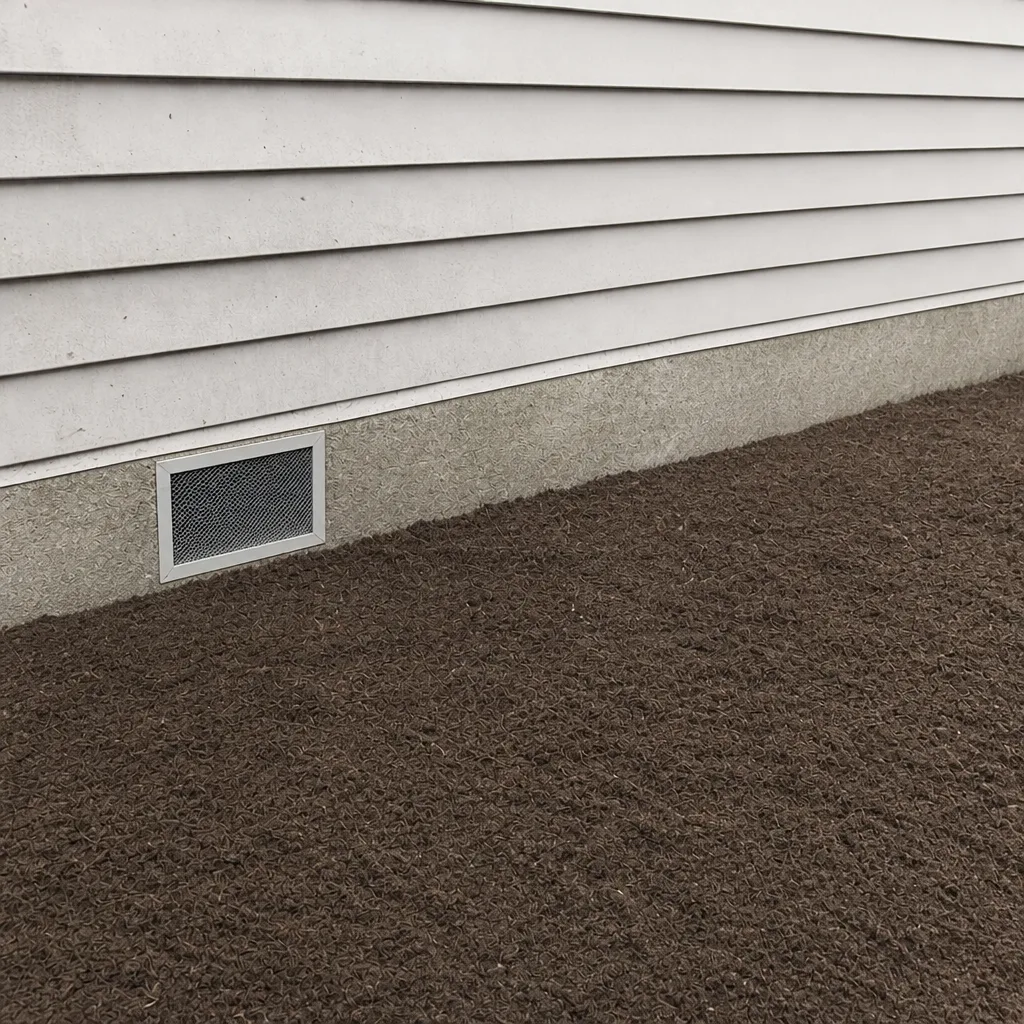
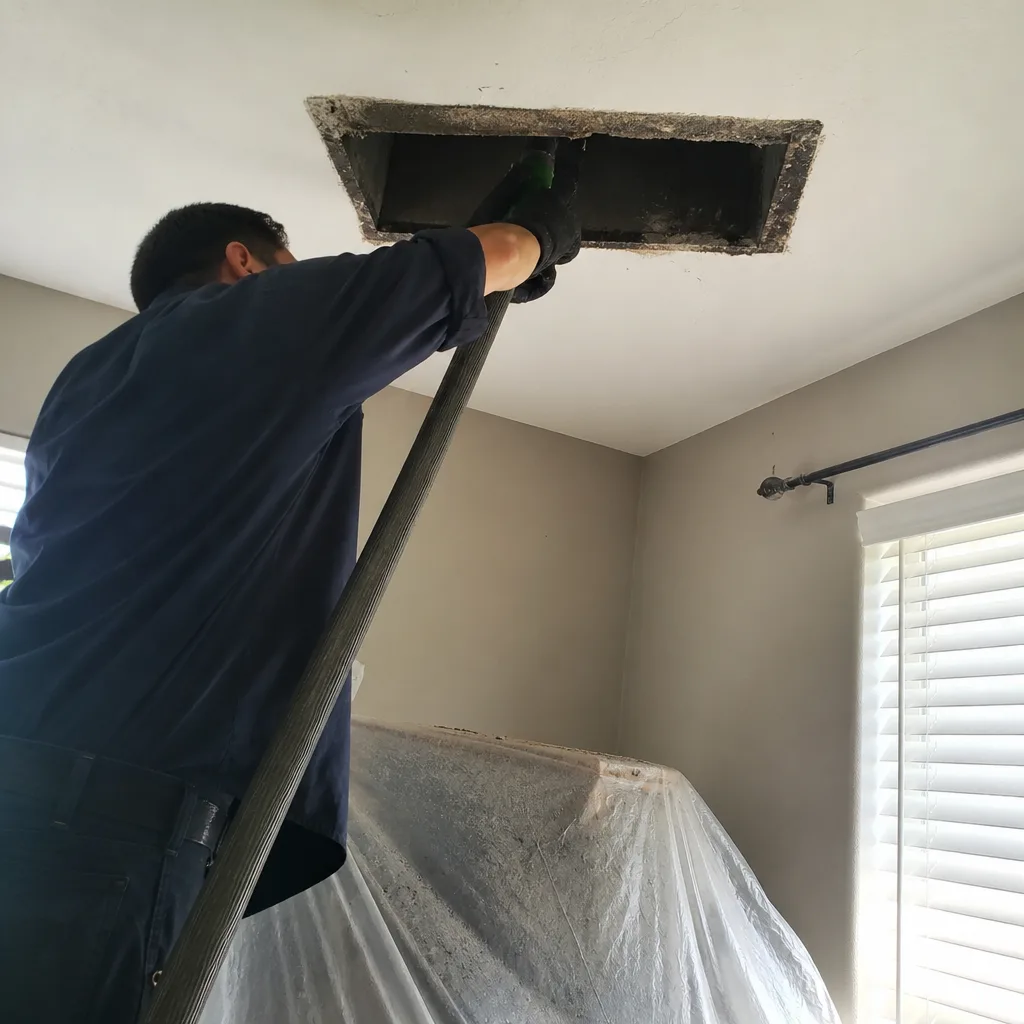
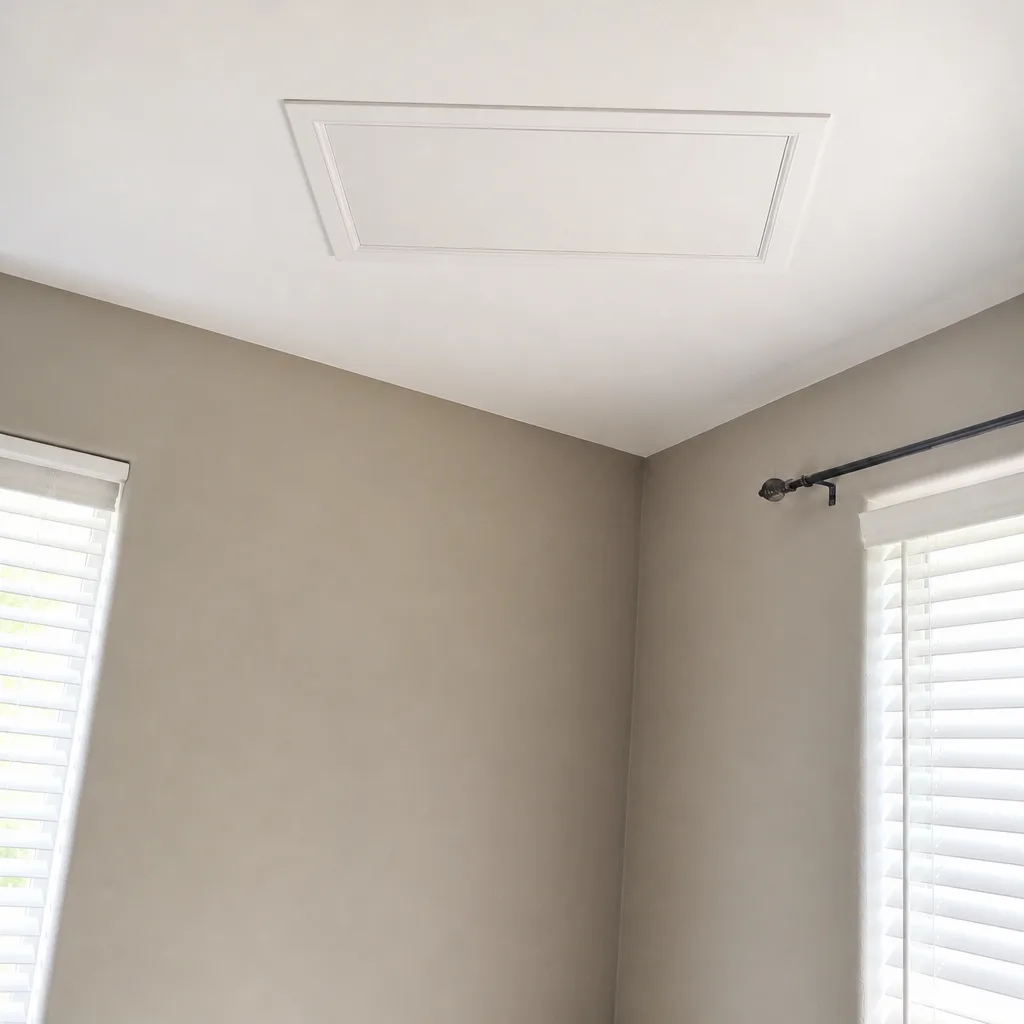
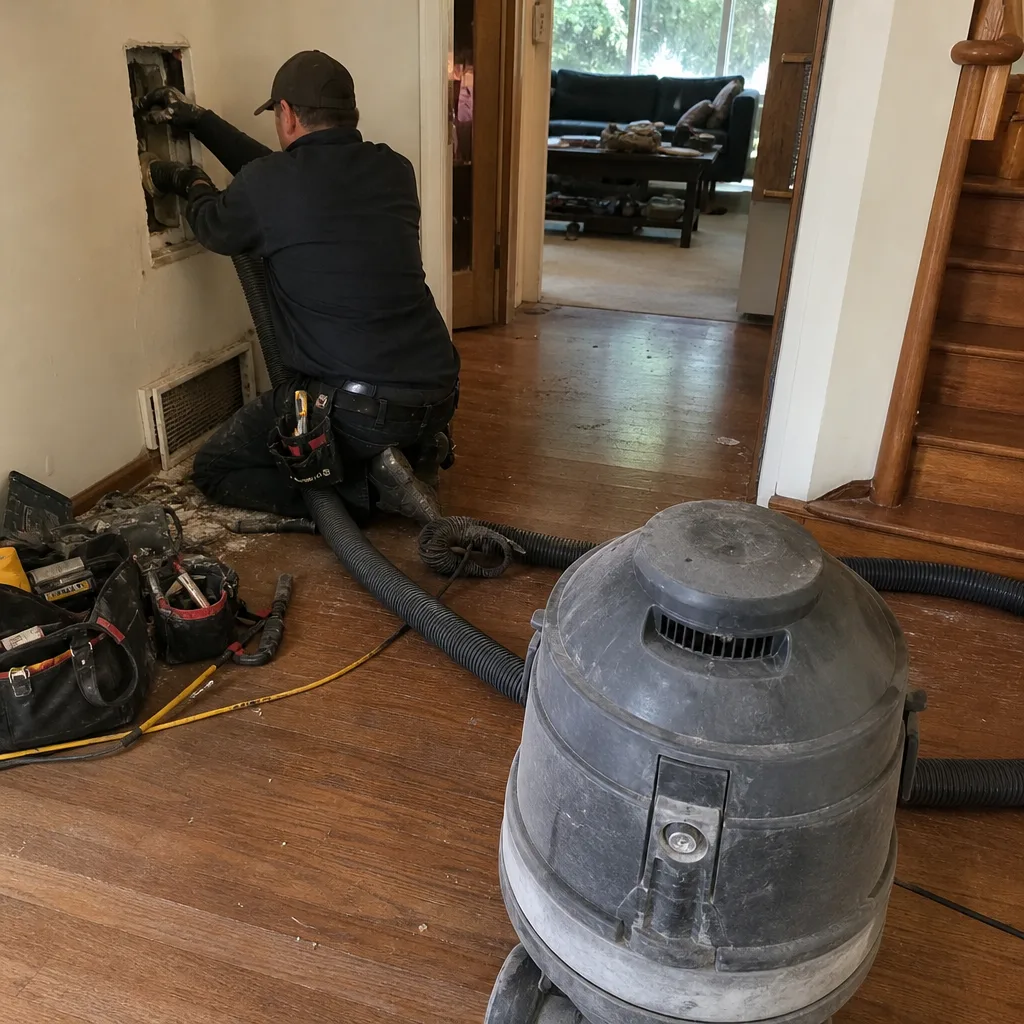
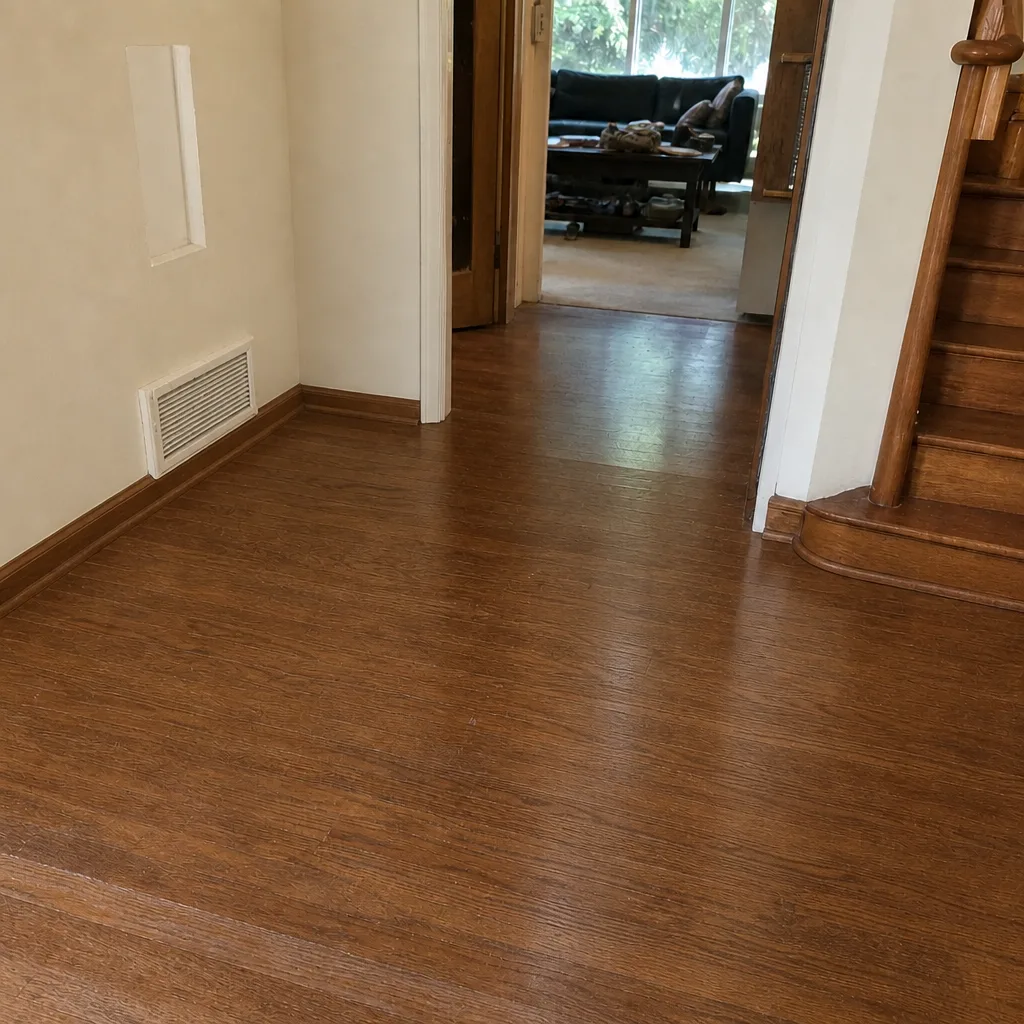
Whole-system duct and dryer vent check with before-and-after photos - you see exactly what came out of your vents
That "$99 whole-house special" is a bait ad - the real number appears once they are in your hallway, or the "clean" is a shop-vac at the register. We photograph the inside of your ducts before and after instead.
Choosing the Right Air Duct Cleaning Brand: A Buyer’s Guide for Auburn
Most homeowners have never heard of Rotobrush, Abatement Technologies, or Nikro. That’s a problem, because those names tell you more about the quality of a duct cleaning than any five-star review on a listing site. Reviews can be written by anyone. Equipment can’t be faked in a driveway. The difference between a machine designed for serious duct work and hardware-store components assembled inside an old van shows up in your air within an hour of the crew leaving. This guide walks Auburn homeowners through the equipment brands that separate real air duct specialists from coupon services, the red flags buried in contractor marketing, and the exact questions to ask on the first call.
Quick Answer
Look at the equipment brands a duct cleaner uses before you look at anything else. Professional operators run truck-mounted negative-air systems or high-powered portable units from names like Rotobrush and Nikro, with HEPA-rated filtration and sanitizing equipment from Abatement Technologies or Guardsman for contamination jobs. If a contractor can’t name the machines they’ll bring into your home, that’s your answer.
Styles & brands we work with
- Whole-home duct cleaning
- Dryer vent cleaning
- Camera inspection
- Sanitizing & deodorizing
Table of Contents
- The Two Categories of Duct Cleaning Machinery
- What HEPA Ratings Actually Mean for Duct Debris
- Red Flags in Equipment Descriptions
- Sanitizing Equipment: Delivery Method Matters
- What Auburn Homes Put Through Their Ductwork
- Questions to Ask on the First Call
- Full-System Scope vs. Cleaning-Only Operators
- The Paper Trail of a Professional Job
The Two Categories of Duct Cleaning Machinery
Duct cleaning rigs fall into two families: truck-mounted negative-air systems and high-powered portable units. They solve the same problem in different ways, and knowing which one a contractor runs tells you a lot about how seriously they’ve invested in the trade. A truck-mounted system parks outside and connects to your ductwork through a long hose, pulling a strong vacuum through the whole system at once. Portable units get carried inside and set up room by room.
Truck-mounted rigs usually carry bigger motors and larger collection bins. The advantage is raw suction: they can pull a substantial negative pressure on an entire residential duct network, which keeps debris moving toward the collection point instead of settling back into the branches. The limitation is hose distance and setup access. A truck parked on an Auburn street still has to reach the far end of the house.
High-powered portables from manufacturers like Nikro close that gap. They combine serious vacuum power with the flexibility to position the unit within a few feet of the work. Many professional operators, us included, run portables with HEPA-rated filtration because they can be staged at the exact register where dislodged debris needs to be captured.
What you won’t find on a professional rig is a shop vac or a residential wet-dry unit. Those machines have their place, but duct cleaning isn’t one of them. A consumer vac can’t sustain enough airflow to move settled debris through a long duct run, and its filter lets fine particulate back into the room.
Rotary contact cleaning tools, most notably the Rotobrush family, handle the walls. A vacuum pulls loose dust and debris; the rotary brush, spun on a flexible shaft fed through the duct run, dislodges what’s adhering to the duct interior. Both pieces are necessary. A crew that only vacuums is leaving behind the layer that actually causes air quality problems.
What HEPA Ratings Actually Mean for Duct Debris
When you read a review or a contractor’s website, ask where the HEPA or MERV rating is being applied. On most homes, that rating refers to a furnace filter. On a professional duct cleaning machine, it refers to the filtration that captures the debris the equipment extracts. Both matter, but only one is under the contractor’s control during a cleaning.
MERV and HEPA are different scales. MERV ratings describe how much of a given particle size a filter removes from an airstream, and they’re most commonly encountered on furnace and HVAC filters. HEPA filtration is a tighter standard, defined around capturing particles small enough to reach deep into the lungs. When a duct cleaning machine carries HEPA-rated filtration, it means the fine dust pulled from your ducts is trapped inside the machine rather than pushed back into the room you’re standing in.
This is where a lot of cheap equipment systems fall apart. A shop vac or a low-end portable unit will capture the visible debris. The lung-irritating fine dust goes out the exhaust. You can’t see it, but your nose knows by the time the second register is cleaned.
Our Nikro extraction equipment uses HEPA-rated filtration for this exact reason. The point of cleaning a duct is to remove contaminants from your home, not to redistribute them across your carpets and furniture. When you talk to any contractor, ask whether their extraction equipment is HEPA-rated and where the filtration sits in the airflow path. A vague answer is not the same as a yes.
Furnace filters still matter, and after a cleaning you may benefit from a higher-MERV filter that suits your HVAC system. That’s a separate conversation from the cleaning itself, and a good technician will tell you the difference rather than sell you one as proof of the other.
Red Flags in Equipment Descriptions
Vague language is the single most reliable warning sign in this trade. “Commercial-grade equipment” appears on a lot of contractor websites and means nothing specific. Commercial-grade to whom? Built for what? A shop vac sold at a home improvement store can technically be called commercial. What matters is whether the contractor can name the machine.
Here are the patterns to watch for:
- No brand names anywhere. If a website, brochure, or estimate doesn’t say “Rotobrush” or “Nikro” or “Abatement Technologies,” the contractor either doesn’t use professional equipment or doesn’t want you checking which one.
- Photos showing consumer machines. Look at the gallery. A wet-dry vac, a rolling shop vac, or a portable car-style vacuum in a duct cleaning photo is a tell.
- “We use the latest technology.” Say which technology.
- Pricing based on vents. Anyone quoting per-register pricing is quoting a system designed to move through a house fast, not to clean it properly.
- No mention of filtration. Filtration is the technical heart of a duct cleaning. If the copy skips it, the machine may not have much to skip.
- Cleaning only. A contractor who shows up with only a vacuum and a brush, with no repair or sealing capability, will leave leaking ducts behind.
One reason this guide matters in Auburn specifically: the market has plenty of operators who run coupon-style specials and can’t answer equipment questions on the phone. That’s not a local problem unique to Auburn, but the volume of contractors marketing here means homeowners need a fast filter. Equipment brand is that filter.
Sanitizing Equipment: Delivery Method Matters
Sanitizing is the step most buyers misunderstand. The antimicrobial product is only half of the process. The other half is how it gets delivered into the ductwork. A retail aerosol purchased at a hardware store and sprayed at the register grilles is not the same as a professional fogging system that distributes the treatment evenly across the interior surfaces of the system.
Contractors doing this properly use fogging and application equipment from brands like Abatement Technologies and Guardsman-grade treatments. The equipment is designed to atomize the product finely enough that it coats the surfaces microbial contamination actually lives on: the duct walls, the plenum, and the interior of the air handler where the wet environment supports growth.
Why this matters for a homeowner evaluating a brand:
- A retail spray can is not an application system. It treats the grille, not the run.
- The chemistry needs contact time on a clean surface. Sanitizing a dirty duct wastes the product and can seal debris in place. Clean, then sanitize.
- Containment matters during remediation-level work. Abatement Technologies equipment supports this by keeping disturbed contaminants from escaping into the living space.
- Sanitizing is not a substitute for cleaning. It’s the second step. Any contractor offering sanitizing alone on a system that hasn’t been cleaned is skipping the part that actually improves air quality.
Our air duct cleaning service includes sanitizing as a follow-up when the system calls for it, because the two do different jobs. Clean ducts are only the start. A system that had visible growth or odor needs the antimicrobial step to address what the vacuum can’t reach.
What Auburn Homes Put Through Their Ductwork
Auburn’s climate is mild and wet through much of the year, and that has real implications for ductwork. Prolonged moisture is the condition microbial growth needs. It’s less about extreme heat or cold and more about how often an HVAC system cycles and how long it sits idle in a humid season. When ducts sit without airflow and any moisture gets past a leaky joint or an old filter, growth can establish itself on the duct interior and stay there.
Auburn also sits in a region with dramatic elevation changes and heavy tree cover. Homes in neighborhoods like Lea Hill and the Muckleshoot area deal with different exterior conditions than homes closer to the valley floor, but what they have in common is what comes in through the return: pollen, fine dust, and debris from the surrounding landscape. A duct system on any Auburn street accumulates material faster than a homeowner realizes, and a system with any leakage pulls attic or crawlspace air directly into the living envelope.
Housing stock is the other variable. Older Auburn homes often still have original ductwork, and original ductwork means joints that have separated over time and sections insulated with materials that age poorly. Newer builds may have tight ductwork but are often the ones where renovation dust gets pulled deep into the returns during construction. Either case, the cleaning job is only as good as the equipment, and the repair question follows close behind.
When a duct system has known leaks, cleaning without repair is a partial fix. Debris gets pulled out; the same leak pulls new dust in. That’s why our scope includes HVAC cleaning and duct repair and sealing as part of the same conversation. Your HVAC system works harder when ducts are compromised. We fix the whole picture rather than the visible half.
Questions to Ask on the First Call
The first call is your best chance to filter the field, and you don’t need technical fluency to do it. The questions below have clear, specific answers if the contractor actually runs professional equipment. Vague, circular, or evasive answers are your tell.
- “What machines will you bring into my home?” A serious operator names the brand. Rotobrush. Nikro. Some equivalent. If the answer is “professional equipment,” ask for the brand.
- “Is your extraction equipment HEPA-rated?” Yes is right. A rambling answer about filtration in general is not a yes.
- “Do you use rotary contact cleaning, or just a vacuum?” Rotary brush tools dislodge what’s adhered to the duct interior. Vacuum-only leaves it behind.
- “What’s your price for the whole system, not per vent?” A flat price per system, agreed before work starts, is the correct answer. Per-vent pricing invites bait-and-switch.
- “Can you seal or repair ductwork if you find leaks?” If the answer is no, you’ll be calling a second contractor.
- “Will I see the ductwork before and after?” Photos of your own ducts, not stock images, are the transparency standard.
- “What sanitizing equipment do you use?” Professional fogging equipment from a known brand. Retail aerosols are not the answer.
Notice how few of these questions require you to already know the answer. The point is whether the contractor does. A technician who works with the equipment daily answers these without hesitation. Anyone stumbling through the answer is telling you something important.
Full-System Scope vs. Cleaning-Only Operators
A duct cleaning contractor who does nothing but cleaning is a partial service. The reason is that cleaning and system health are not the same thing. A cleaning removes what has accumulated. A system that seals and breathes well stays cleaner, and one that doesn’t will degrade faster than any cleaning can offset.
Full-system scope in this trade usually covers five capabilities:
- Air duct cleaning with professional extraction and rotary contact tools.
- Dryer vent cleaning, which some duct-only contractors skip entirely.
- HVAC cleaning of the air handler and coil area, where debris feeds the duct problem.
- Duct repair and sealing, to close leaks and restore system pressure.
- Air quality and sanitizing, for the microbial side of what a vacuum leaves behind.
Auburn Air Duct Cleaning Co covers all five. That’s not a marketing claim you have to take on faith. Ask the specific question: which of these five does the contractor handle in-house, and which requires a referral. The answer tells you whether you’ll be calling a second company.
Dryer vent cleaning is worth calling out. It’s a fire-prevention service most duct-only competitors don’t offer, and the lint accumulation problem inside a dryer vent isn’t the same as the dust problem inside a supply duct. A full-service operator runs the right tools for both, and we handle the dryer vent cleaning side of the house as part of that scope. If you call a cleaning company and they can’t do the dryer vent, that tells you what kind of company they are.
Duct repair and sealing capability is where the gap between Auburn operators becomes concrete. Cleaning a leaking system without repairing the leaks is like washing a car with a hole in the roof. Our team identifies compromised ductwork during a standard cleaning and fixes it before the clean is called done. Not every contractor has that skill set, and asking the question early saves you a second project.
The Paper Trail of a Professional Job
The paperwork that comes out of a duct cleaning job tells you a lot about the crew that came in. Here’s what a professional visit usually leaves behind, and what to look for:
- A written estimate before work starts. Flat price per system, not a range that can grow mid-job.
- Before-and-after photos of your actual ducts. Not stock images. Your grilles, your plenum, your air handler.
- A description of what was found and what was done. “Cleaned three registers” is not a service report.
- Notes on any ductwork that needed repair or sealing, and whether it was addressed during the same visit.
- Filter recommendations specific to your system, not generic upsells.
We take before-and-after photos as a standard part of the job, because “see what’s inside your ducts before and after” is the transparency standard this trade should meet. You shouldn’t have to take a contractor’s word for the work. You should be able to see it.
Our technicians have up to 15 years of experience, and that experience is what turns a routine cleaning into an honest assessment of the whole system. Equipment matters, and so does the person running it. We combine both: professional equipment from The same rotary brush and vacuum systems used by commercial HVAC contractors, and a team trained to hear the difference between a clean duct system and one that’s about to fail.
Air filtration and purification upgrades are a natural follow-up after a cleaning, and our Honeywell and Aprilaire product integrations let a homeowner take the next step rather than stopping at the clean. That’s part of the full-system approach: cleaning takes out what’s there, filtration affects what comes in next, and sealing keeps the whole thing working.
Common Mistakes to Avoid
- Booking on price alone. The lowest quote almost always reflects the lowest equipment tier, and you’ll notice it in the results within a week. Pay for the job being done properly once.
- Accepting per-vent pricing. A quote based on how many registers your home has is a quote for speed, not for thoroughness. Ask for a flat, whole-system price.
- Not asking for the equipment brand. This is the fastest filter available, and most homeowners skip it. Ask. Name recognition matters here.
- Skipping the dryer vent. Lint in the dryer vent is a fire-prevention concern, and a duct-only contractor will quietly leave it for someone else. Confirm it’s on the scope.
- Cleaning without inspecting for leaks. In Auburn’s older housing stock, ductwork often has separated joints that will pull new dust in within months. Cleaning without checking for them is a partial job.
- Trusting a stock image gallery. If the before-and-after photos on the website look identical to every other contractor’s, they aren’t real job photos. Ask for pictures of your own ducts.
- Ignoring the air handler. Ductwork is only part of the system. A crew that cleans ducts but leaves the coil and plenum untouched hasn’t solved the actual problem.
See the difference
 Before
 After
 Before
 After
 Before
 After
When to Call a Professional
There are specific situations where a professional cleaning is clearly warranted, and Auburn homeowners usually recognize them before they recognize the equipment brands. Recent renovation work that filled the house with drywall dust. A new HVAC install where construction debris got into the register boots. A home purchase where you don’t know the previous owner’s maintenance habits. Persistent allergy symptoms that spike when the heat or AC kicks on. Visible dust blowing out of a supply register. And any home where the ductwork hasn’t been cleaned in a long time, especially if it’s original to an older build.
In any of these cases, equipment brand is the deciding question. Call a contractor whose machinery comes from a known professional manufacturer, who can quote a flat price per system, and who will photograph the ducts before and after. Auburn Air Duct Cleaning Co offers free estimates in Auburn. Call (877) 792-5686. We answer 24/7. Fast dispatch from 7am to 7pm, Sunday through Friday.
Frequently Asked Questions
Duct cleaning in Auburn is priced per job by the written estimate, not per vent, and the estimate is free. A written estimate sets the final price before any work starts, so you know the number going in and you aren’t surprised coming out. Call (877) 792-5686 for an exact quote. Estimates are free.
Because some contractors are running consumer-grade equipment or pricing a per-vent cleanup instead of a full system cleaning. The difference in quote usually reflects the difference in machinery, filtration, and scope. Ask what machine they’ll bring and whether it’s HEPA-rated, and the price gap starts to make sense.
Ask for before-and-after photos of your own ducts, taken during the visit. A company confident in its work will show you the ducts and the air handler, not stock images. We take photos on every job, because “see what’s inside your ducts before and after” is the standard any homeowner should expect. Call (877) 792-5686 for a free estimate.
Most homes can go several years between cleanings, but the interval depends on the home. Recent renovation, a new HVAC install, pets, allergy symptoms, or ductwork that isn’t sealing well all shorten the timeline. A professional assessment during an estimate will tell you honestly whether it’s time, and that call starts with (877) 792-5686.
Rotobrush is the professional standard for rotary contact cleaning, and Nikro is a common name in HEPA-rated extraction equipment. Abatement Technologies is used for containment during remediation-level work, and Guardsman-grade treatments show up in professional sanitizing. If a contractor can’t name any of these or an equivalent, ask why. Call (877) 792-5686 for a free estimate.
That depends on the ductwork itself, and a professional can tell you during a cleaning or estimate. If ducts have separated joints or damaged sections, cleaning alone will be undone by the same leaks that pulled dust in originally. Have the ductwork inspected before deciding. Call (877) 792-5686 for a free estimate and a straight answer.
The Bottom Line
Equipment brand is the fastest, most reliable filter for choosing a duct cleaning contractor in Auburn. The names that matter in this trade are few and well-known: Rotobrush for rotary contact cleaning, Nikro for HEPA-rated extraction, Abatement Technologies and Guardsman-grade treatments for sanitizing. If a contractor can name the machines and answer technical questions without stumbling, you’re talking to someone who’s actually invested in the work. If not, you’re talking to someone who isn’t.
Auburn Air Duct Cleaning Co offers full-system scope from one team: Auburn Air Duct Cleaning Co handles cleaning, sanitizing, duct repair and sealing, HVAC cleaning, and dryer vent cleaning, with the same professional equipment tier as commercial HVAC contractors. Your ducts are only as clean as the machinery in front of them.
Free estimates, a flat price per system agreed before work starts, and before-and-after photos of your own ducts on every job. Call (877) 792-5686. We answer 24/7. Fast dispatch from 7am to 7pm, Sunday through Friday.
Written by the team at Auburn Air Duct Cleaning Co.