
Last updated November 25, 2026
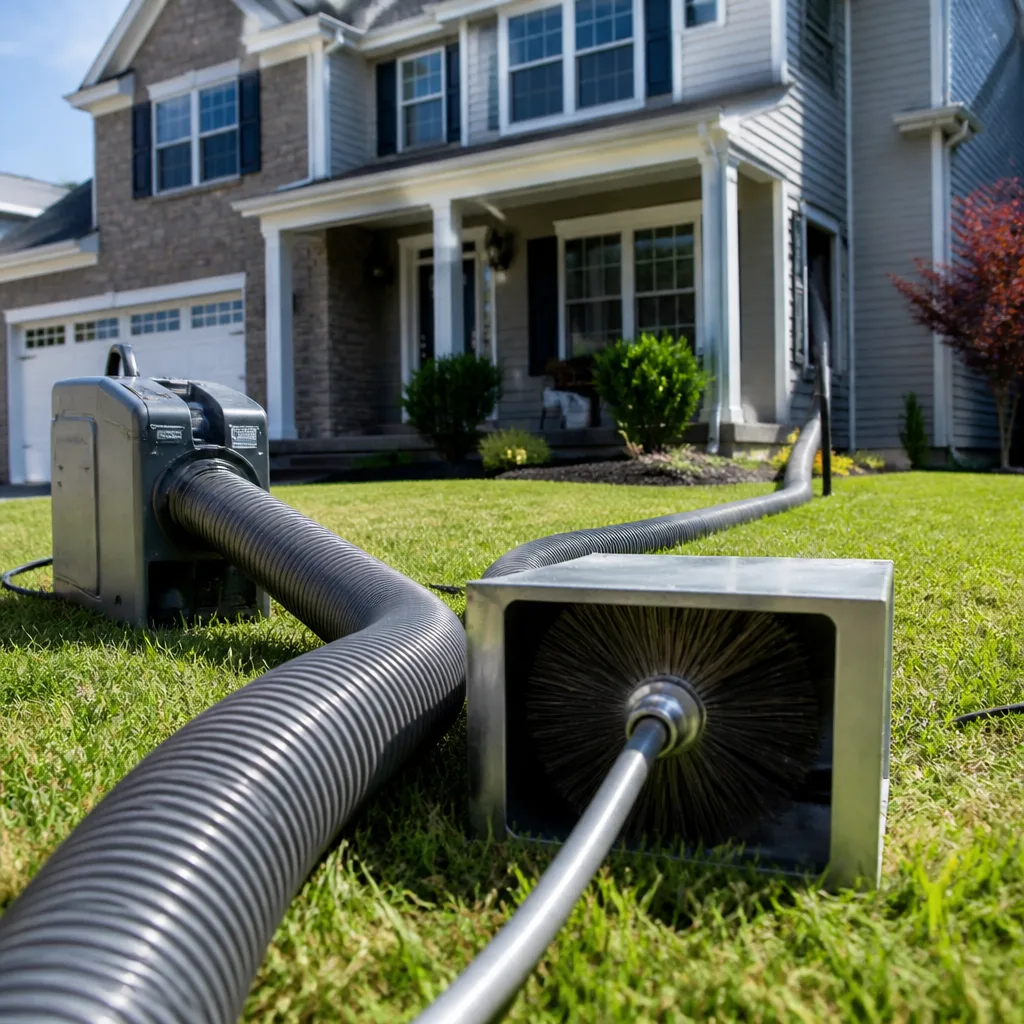 Whole-home duct cleaning
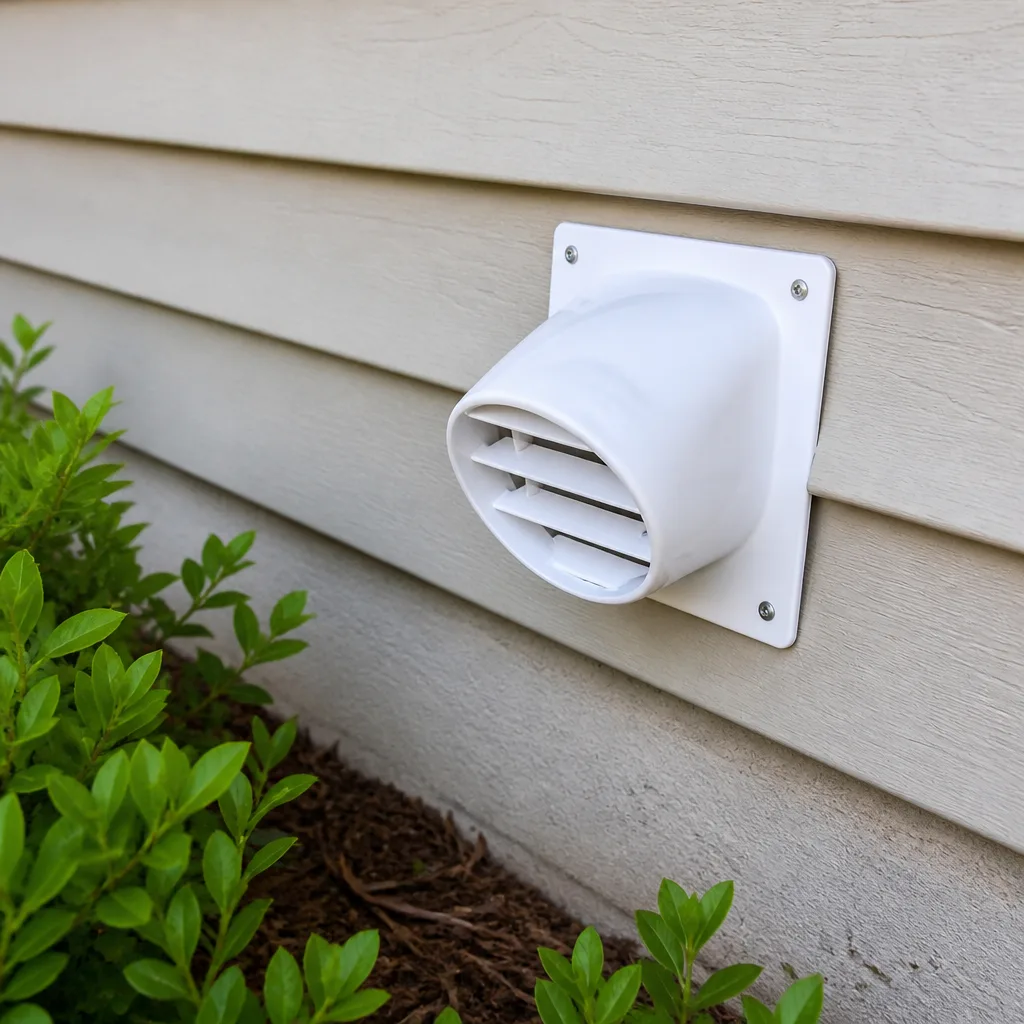 Dryer vent cleaning
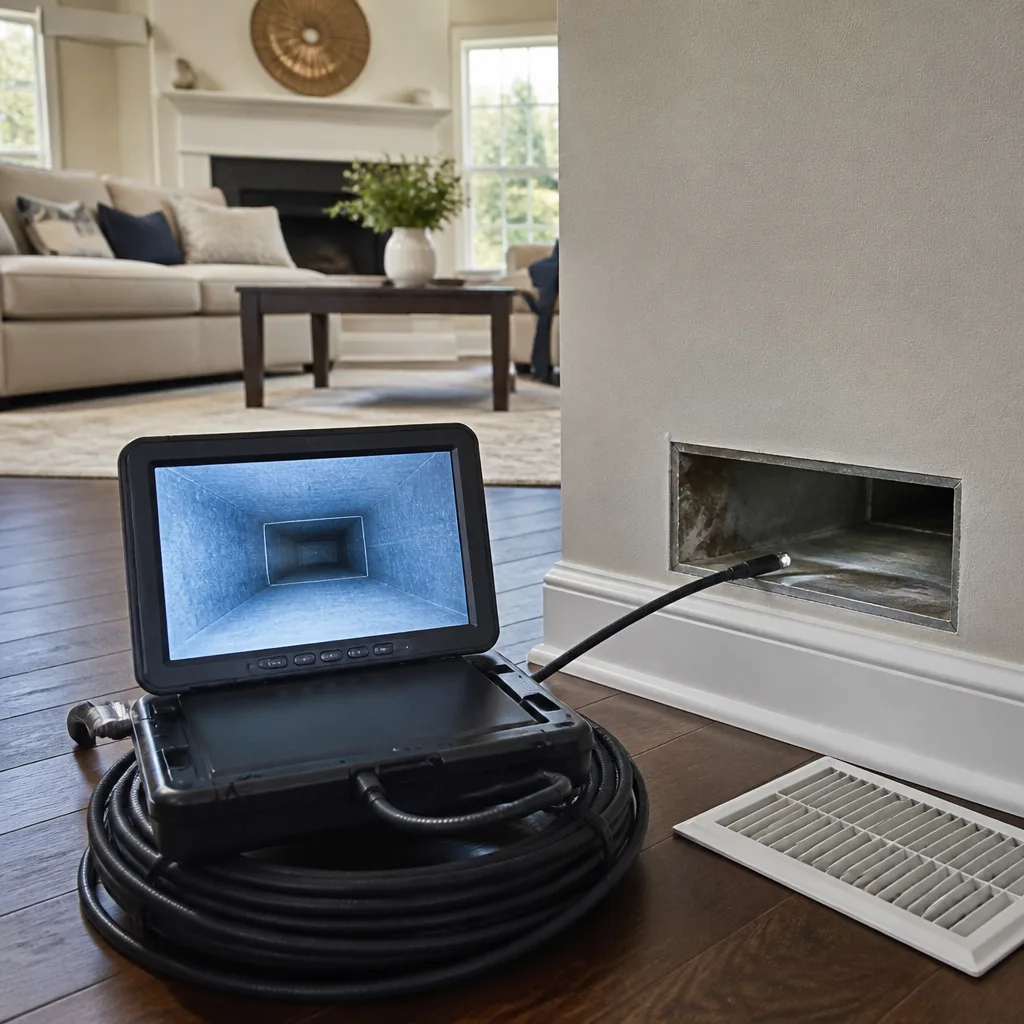 Camera inspection
 Sanitizing & deodorizing
Whole-system duct and dryer vent check with before-and-after photos - you see exactly what came out of your vents
That "$99 whole-house special" is a bait ad - the real number appears once they are in your hallway, or the "clean" is a shop-vac at the register. We photograph the inside of your ducts before and after instead.
Air Duct Cleaning Warning Signs: An Auburn Homeowner’s Reference Guide
A musty smell when the heat first kicks on is not the same problem as a musty smell that hangs in the hallway all day. One is often surface dust burning off the heat exchanger after months of rest. The other usually points to active microbial growth somewhere in the plenum or a wet drain pan. Treat them the same and you’ll spend money on the wrong fix. This guide connects what Auburn homeowners actually see, smell, and feel to what’s happening inside the duct system, so you can sort the nuisance from the problem that needs a technician. We’ll cover smell diagnosis, register debris, uneven airflow, symptom timing, and a remodel warning specific to Auburn’s older housing.
Quick Answer
Air duct cleaning is worth scheduling in Auburn when signs point to contamination rather than routine dust: a musty or organic smell that persists, visible debris at more than a few registers, rooms that run cold while others are fine, allergy symptoms that track with HVAC run time, or construction dust pulled into return air after a remodel. Burning-dust smell at the start of the heating season and light dust at registers are normal. The first step is always a look inside the ducts, not a coupon.
Styles & brands we work with
- Whole-home duct cleaning
- Dryer vent cleaning
- Camera inspection
- Sanitizing & deodorizing
Table of Contents
- What does the smell tell you?
- What visible debris at registers really means
- Why one room runs cold: airflow asymmetry as a duct signal
- Symptom patterns that point to duct contamination
- Post-renovation warning signs in older Auburn homes
- What a proper inspection looks at
- Common mistakes to avoid
- When to call a professional
- Frequently asked questions
What does the smell tell you?
Smell is the fastest diagnostic tool a homeowner has, and the least used. Three smell families point to three different root causes, and each needs a different response. Getting the family right is most of the triage.
Burning dust: seasonal and usually harmless
The warm, slightly acrid smell that appears the first few times the furnace runs in autumn is household dust settling on the heat exchanger and burning off. It usually fades within a day or two of operation. This is the smell that is normal, and it does not, on its own, mean you need cleaning. If it lingers past the first few heating cycles, or returns mid-season, that changes the picture.
Musty or organic: schedule service soon, investigate urgently if it persists
A musty, damp, or earthy smell that stays with you after the system has been running, and lingers when the air handler is off, suggests moisture feeding something biological. That moisture is often in the plenum, the evaporator coil area, or a poorly draining condensate pan. The smell persisting all day is the tell. In Auburn’s wetter months, a small leak or condensation issue that would dry out in a drier climate can stay damp and keep the growth active. This is the category worth scheduling an inspection for right away, because ignoring it usually makes the problem more expensive.
Chemical or off-gassing: identify, then schedule
A sharp, plasticky, or solvent smell often comes from something new: fresh paint, new cabinetry, carpet adhesive, or recently installed duct materials. Off-gassing itself isn’t a duct contamination problem, but the HVAC system will pull those vapors through the return and spread them through the house. Air sanitizing and filtration can help reduce what’s circulating once the source is identified. If the smell is faint and tied to a recent purchase, it settles on its own. If it’s strong and persistent, treat the source first and the ducts second.
What visible debris at registers really means
Some dust on a return-air grille is normal after a season. So is a fine, even film on the supply registers of a home that just went through a dusty summer. The question is never “is there dust?” but “what kind, and where?” The distinction tells you whether the system is doing its job or failing at it.
- Even, fine gray film on a few low-traffic registers: routine accumulation. Not a warning sign on its own.
- Clumps of lint or fibrous material collected at return grilles: airflow is pulling something in faster than the filter can catch it. Often a sign the filter is the wrong rating, loose, or overdue.
- Drywall dust or a chalky white residue coating the return grille: construction debris has been pulled into the return-air system. Common after a remodel or repair.
- Dark staining around the register frame or on nearby ceiling paint: this is a leakage sign, and it usually means duct sections are not sealed. In a humid Auburn house, the staining can also be from condensation.
- Bits of insulation fiber or small dark specks at more than one register: an internal duct lining or wrap may have started to break down, or a critter has been moving through the system. Both warrant a look from a technician.
When your registers show the last three items on that list, the issue is a breach, degradation, or intrusion inside the ductwork, not a surface cleaning matter. This is where air duct cleaning should pair with a duct repair and sealing check, because cleaning alone leaves the problem in place.
Why one room runs cold: airflow asymmetry as a duct signal
An uneven house is one of the easiest-to-miss duct warning signs. If the master bedroom barely warms while the hallway blasts heat, homeowners usually blame the thermostat or the furnace itself. In our experience, the furnace is often fine and the problem is downstream of it. Air volume is being lost before it reaches that room.
Here’s how to tell duct blockage from a damper or equipment issue without opening anything.
- Run the system on fan only and walk every register. Hold a tissue or your hand at each. Note the ones where you can’t feel much.
- Check the dampers near the air handler. If your system has manual dampers in the ducts, a partially closed one is the simplest explanation for a room that never heats.
- Look at the duct run to the weak room. Long, winding, or crushed runs lose more air than direct ones. A duct that shares a path with a return line, or makes multiple tight turns, is a common culprit.
- Compare odor and dust at that room’s register to the other rooms. If it also collects more dust, that suggests internal debris or a broken seal rather than just a design issue.
If the weak room also happens to be the last one on the longest run, and a damper check doesn’t fix it, the problem is more likely a partial blockage, a collapsed section, or a leak in that run than the equipment. That’s a job for someone with access to inside the duct. Our HVAC cleaning service covers this kind of assessment alongside the cleaning work.
Symptom patterns that point to duct contamination
Allergy symptoms are noisy. Plenty of things cause them: seasonal pollen, pets, a new sofa, a dusty bookcase. The way to sort duct contamination from other indoor sources is to look at timing and location, not just symptoms. A few patterns stand out.
- Symptoms that track HVAC run time. If the sneezing, itchy eyes, or congestion begins within 10-15 minutes of the furnace or AC starting up, and eases when it stops, the duct system is a strong suspect.
- Symptoms that cluster in the rooms with the weakest airflow or the most dust at the register. That clustering points to the specific duct runs involved.
- Symptoms that appeared after a change. A new HVAC install, a remodel, a move to a different home, or a change from heat to cooling. A distinct before-and-after is a useful marker.
- Morning-heavy symptoms in the bedrooms. Hours of sleep in one room with a low airflow register can make a room-specific contamination issue feel worse in the morning.
- Improvement when you leave the house for a few days. If a weekend away clears things up, indoor air is a likely contributor, and the duct system is the place to look next.
None of that replaces a doctor’s advice. It replaces guessing. If your pattern matches two or more of those points, an inspection of the duct system is a reasonable next step, and it’s often more straightforward than chasing down every indoor source one by one.
Post-renovation warning signs in older Auburn homes
Remodel work introduces the biggest short-term load a residential duct system ever sees. Drywall dust, insulation fibers, and small construction debris get pulled into return air while the crew is working. In an older Auburn home, the ductwork is often the original galvanized sheet metal with a fair amount of sealed and unsealed joints, sometimes with flexible additions from a prior update. That mix holds onto this debris in ways a modern sealed trunk rarely does.
A few warning signs that stand out after a renovation:
- A persistent chalky or powdery dust on the return grilles weeks after the work ended. Drywall dust that never cleared suggests it’s still sitting in the ducts and being redistributed each time the fan runs.
- New smells that only appear when the system runs. Paint, adhesive, or new-material off-gassing that gets worse as the fan pushes air.
- Coughing or throat irritation specifically linked to HVAC run time in the weeks after a remodel. That’s construction debris in the system, not seasonal allergies.
- A faint fiber smell or visible pale specks at registers after ceiling work or attic insulation upgrades. Loose insulation fibers are in the return, and they should not be.
- Noticeably worse airflow in rooms closest to the work. Debris can partially block a branch run that hadn’t been an issue before.
The practical answer after a renovation is an inspection with a camera first and a full clean if the return looks fouled. We use Auburn Air Duct Cleaning Co equipment built for this exact job, and post-renovation cleanups in Auburn are one of our more common calls. Containment matters most here, which is why we work with Abatement Technologies gear on jobs where construction debris and potential contamination need to stay captured and out of your living space.
What a proper inspection looks at
Before you book a cleaning, book a look. A professional inspection of the duct system is not a guy shining a flashlight into a register for ten seconds. It’s a specific series of checks, and knowing what they are helps you sort a real inspection from a sales pitch.
- Visual inspection of the air handler and plenum. Rust, standing moisture, and any visible growth in the plenum are the biggest red flags.
- Camera inspection inside the main trunk and several branch runs. This is where you find internal debris, insulation breakdown, pest intrusion, and turns or joints that have failed.
- Register and grille check at every supply and return. Comparing registers tells the technician where the problems cluster.
- Filter and filter housing check. A poorly seated or wrong-rating filter can undermine everything downstream.
- Airflow measurement at registers. Actual readings confirm or rule out blockages and leaks.
- Seal check on accessible duct joints. Leaks at joints and connections account for a lot of the lost air in older homes.
- Drain pan and condensate line check. Moisture source for the musty smell category.
The right equipment matters for what comes after. Rotobrush rotary contact cleaning is what we use to dislodge debris from duct walls, and Nikro HEPA-rated vacuums ensure what comes loose is captured rather than redistributed through the room. If the inspection turns up gaps and separations, those get sealed as part of the same visit, so the clean system stays clean.
Common Mistakes to Avoid
- Mistaking the start-of-season burn smell for a contamination problem. That smell usually clears in a day or two. Booking a full cleaning on day one of heating season is usually unnecessary.
- Booking a cleaning before an inspection. “Clean it first, look later” is the wrong order. Camera inspection before cleaning tells you what needs work and what doesn’t.
- Ignoring a musty smell that clears once the fan stops. A smell that retreats when the system is off still points to a moisture source in the system. It tends to get worse, not better.
- Assuming one cold room means you need a bigger furnace. In our experience it usually means a damper issue, a leak, or a blockage in that run.
- Skipping the ducts after a remodel. Drywall dust that migrated into return air during the work doesn’t clear on its own. It redistributes.
- Cleaning without checking for leaks and seals. If duct joints are leaking, cleaning removes debris and the leaks immediately pull more in. Cleaning and sealing go together.
- Hiring on price alone when the signs point to breach, mold, or intrusion. Those jobs need containment, HEPA capture, and sanitizing, not a light surface pass. The difference shows up months later.
When to Call a Professional
Call when the pattern, not just the symptom, points inward. A musty smell that stays with you after the system shuts off. Debris or insulation fiber at more than a couple of registers. One room that stays cold after a damper check. Allergy symptoms that consistently start within minutes of the HVAC coming on. Post-renovation dust that hasn’t cleared weeks later. A visible leak, stain, or moisture smell near the air handler. Any of these warrant a camera inspection before a cleaning, not after.
We answer 24/7. Fast dispatch from 7am to 7pm, Sunday through Friday. We’re closed Saturday, and if something fails on a Saturday, call and we’ll book the next opening for Sunday. Auburn Air Duct Cleaning Co offers free estimates in Auburn. Call (877) 792-5686. Our technicians have up to 15 years of experience, and each job is priced as one flat price per system, agreed before any work starts. You’ll see before-and-after photos of your own ducts, not a stock image.
The full picture also includes your dryer vent if you haven’t had it checked. Lint buildup is a separate fire risk from anything in the HVAC ductwork, and it’s covered under dryer vent cleaning as a distinct service.
Frequently Asked Questions
You need cleaning when the signs point to contamination, not just to dust. That means a persistent musty smell, visible debris or insulation fibers at multiple registers, uneven airflow not explained by a damper, symptoms that track with HVAC run time, or post-renovation construction dust that hasn’t cleared. The way to confirm is a camera inspection of the ducts, not a visual look at one register.
A mild musty smell that fades once the system has run a while is usually surface dust and not a health concern. A musty or damp smell that persists for hours, or that returns every time the fan runs, points to moisture and possible microbial growth in the plenum or drain area. That warrants an inspection, because ignoring it typically makes it more costly to fix.
For most Auburn homes, every three to five years is reasonable, and many homes can go longer if registers are clean and airflow is even. The exceptions are after a major remodel, after a new HVAC install, after a pest intrusion, or after moving into a home with an unknown duct history. Those cases justify an inspection regardless of the interval.
Cheap quotes usually cover a light surface pass with portable equipment, no camera inspection, no containment, and no leak or seal check. That work leaves the actual contamination in place. A full-system job with camera inspection, rotary contact cleaning, HEPA capture, seal check, and before-and-after photos costs more because it’s doing much more. For a system that’s showing warning signs, ask what’s included before comparing bottom-line prices.
Ask for before-and-after photos of your own ducts, taken during the job, and a camera look inside a register after the work. Insist on camera inspection at the start and a walkthrough at the end. A crew that can’t show you internal images before and after isn’t giving you verification, no matter what the invoice says. Our jobs include photos of your ducts, not a brochure.
It can, if the pattern points to duct contamination as the source. That means symptoms timed to HVAC run time, clustering in specific rooms, or worsening after a remodel or move. If symptoms happen regardless of HVAC operation, or track strictly to seasonal pollen or a known pet, duct cleaning may not be the fix. An inspection first tells you which situation you’re in.
The Bottom Line
The signs that matter are the ones that fit a pattern. A burning-dust smell at the start of heating season is normal. A musty smell that lingers is not. A little fine dust at a couple of registers is normal. Insulation fibers or construction debris at several registers is not. One cold room after a damper check points to a duct problem, not a furnace problem. After a renovation, drywall dust in return air doesn’t clear itself. Take the smell seriously, get a camera inspection before you commit to a clean, and remember that clean ducts are only the start when a system needs sealing, repair, or sanitizing as well. Call (877) 792-5686. We answer 24/7. Fast dispatch from 7am to 7pm, Sunday through Friday. Free estimates in Auburn.
Written by the team at Auburn Air Duct Cleaning Co.
See the difference
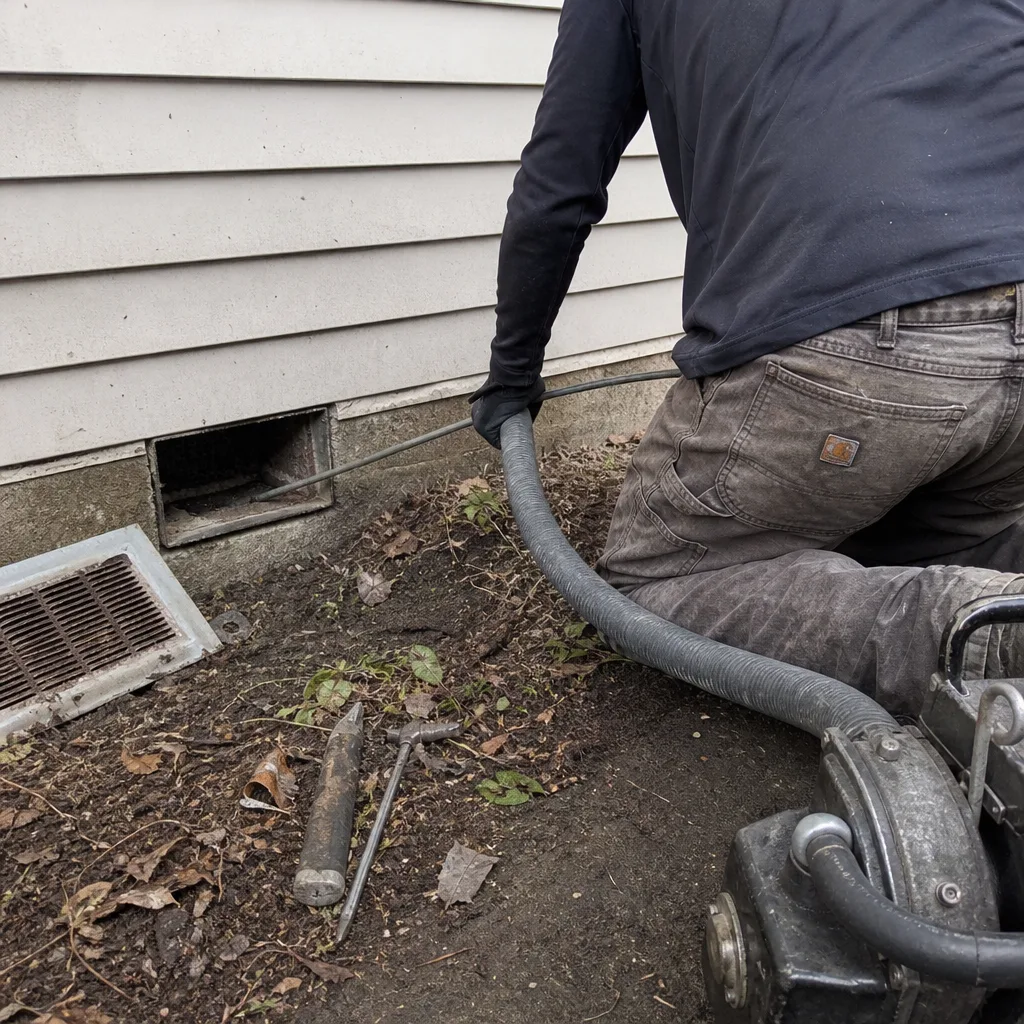 Before
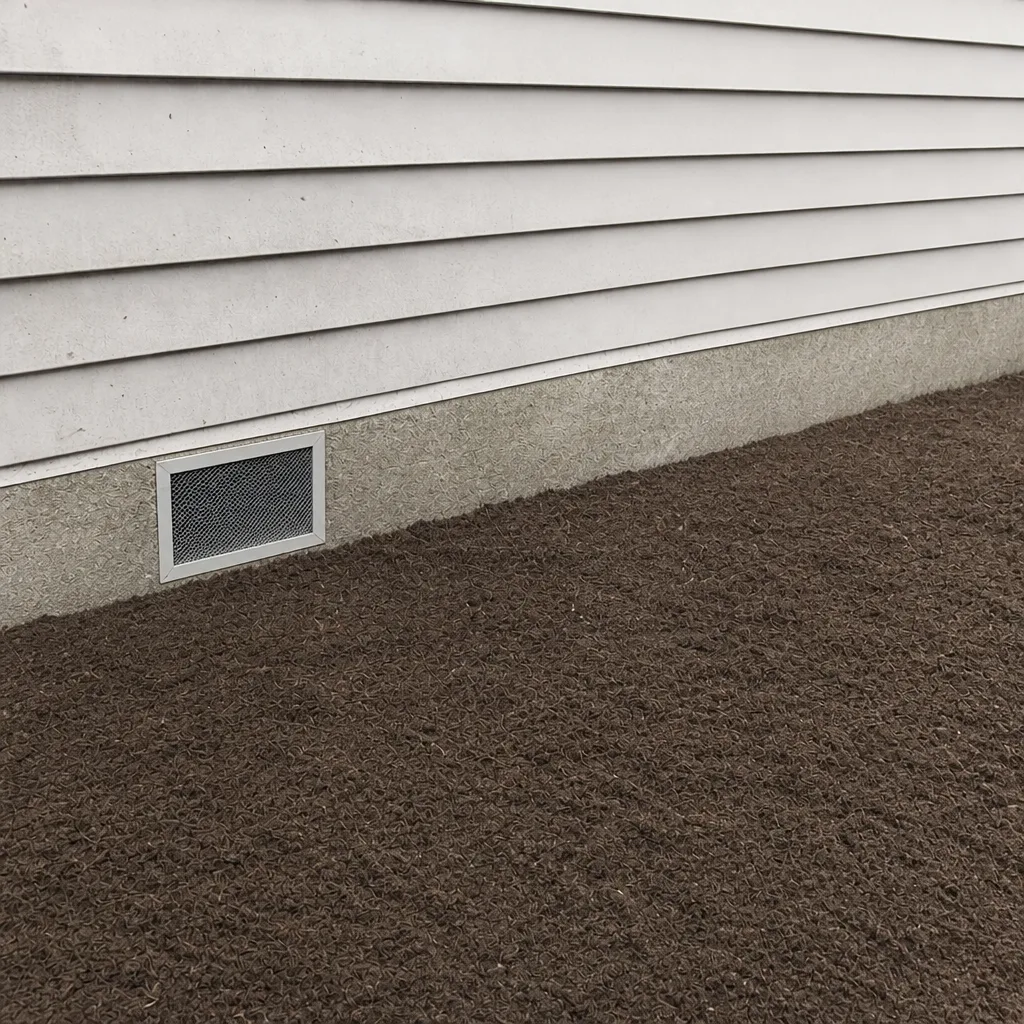 After
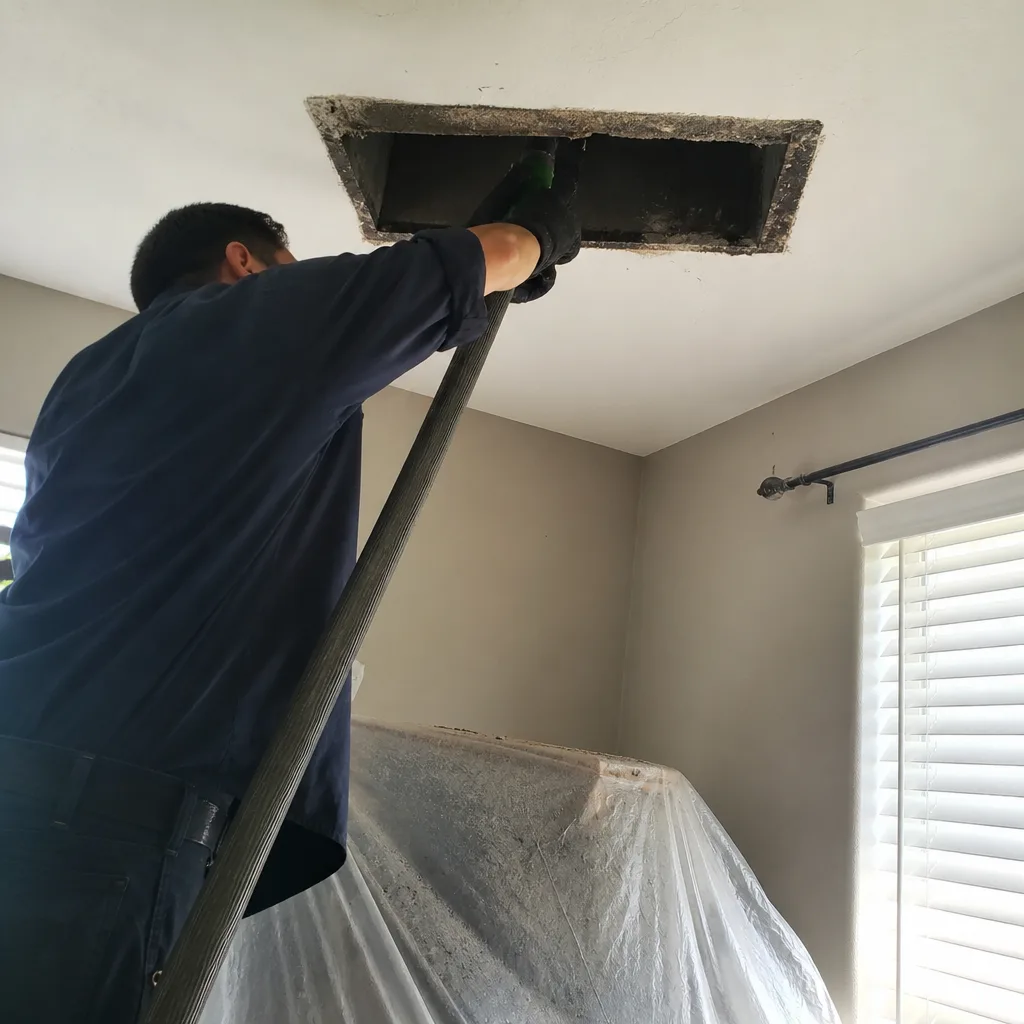 Before
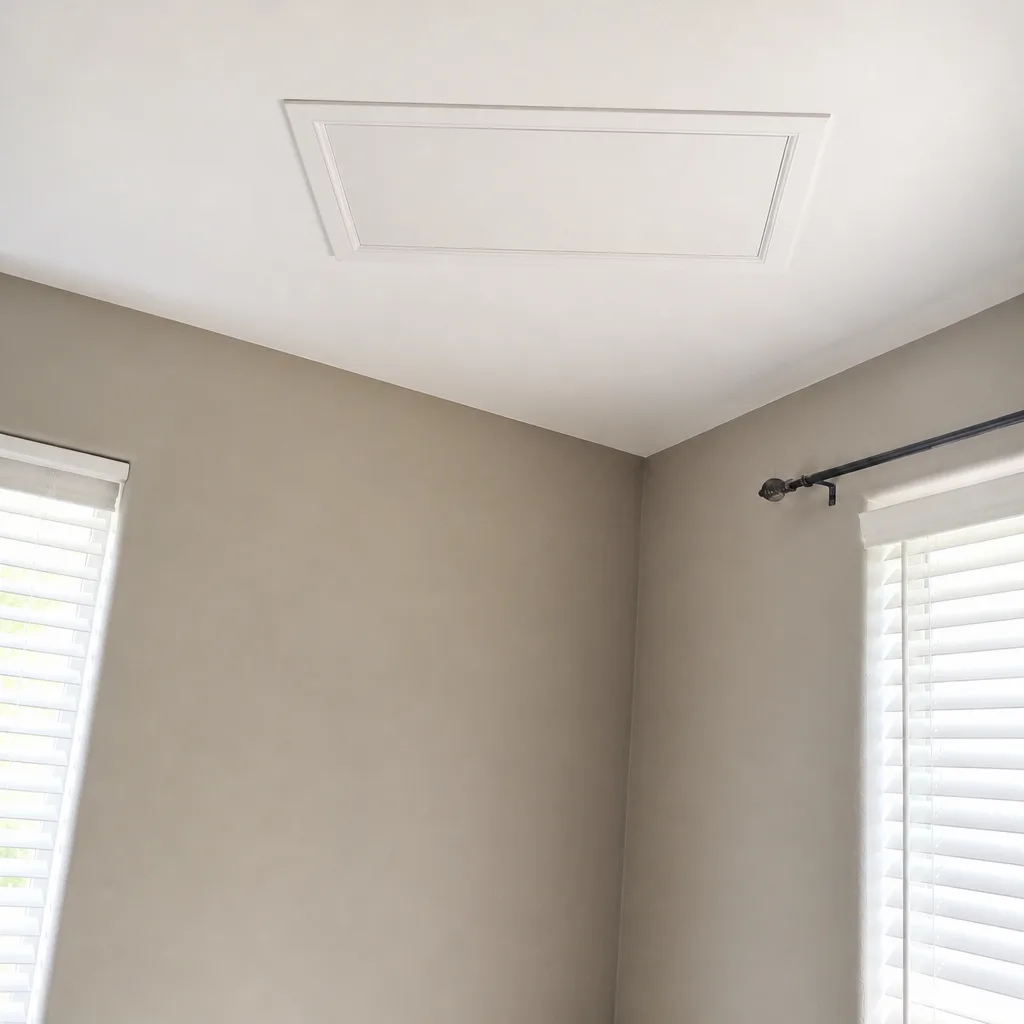 After
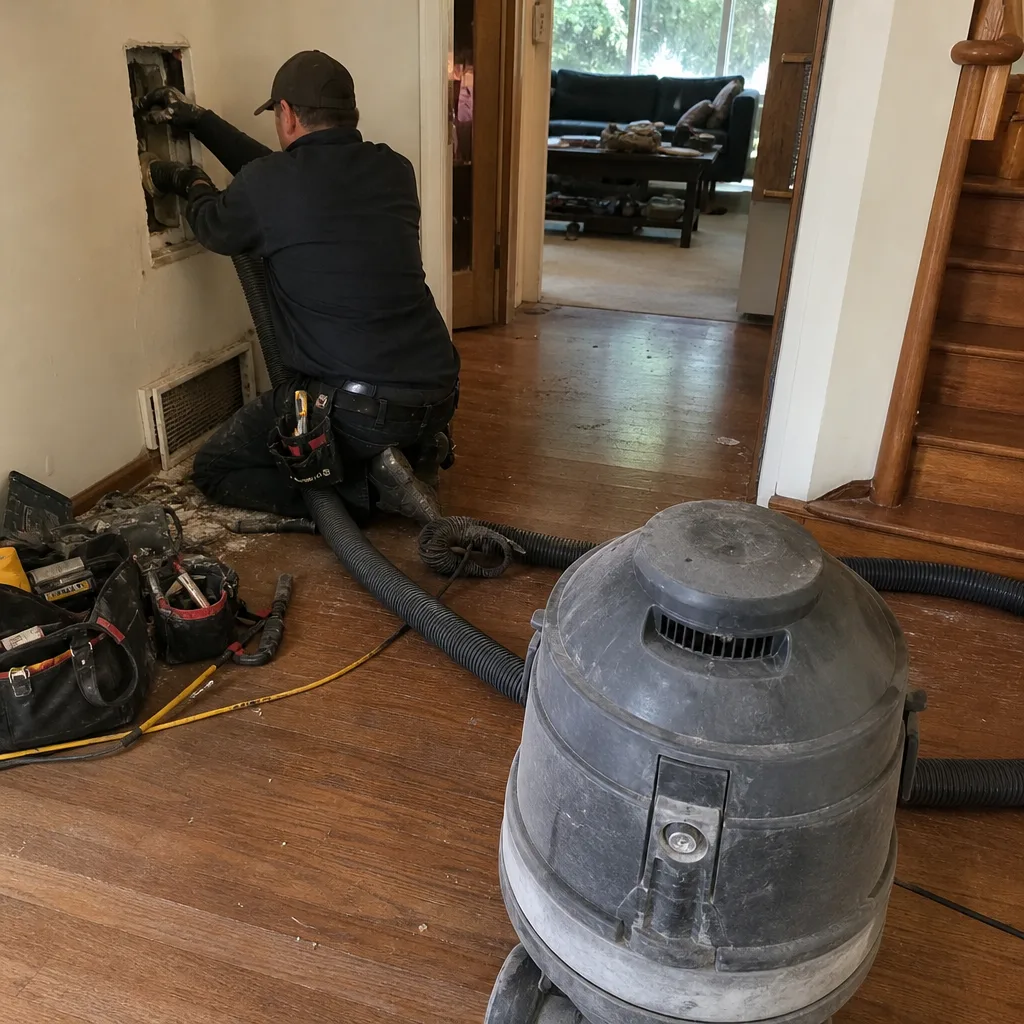 Before
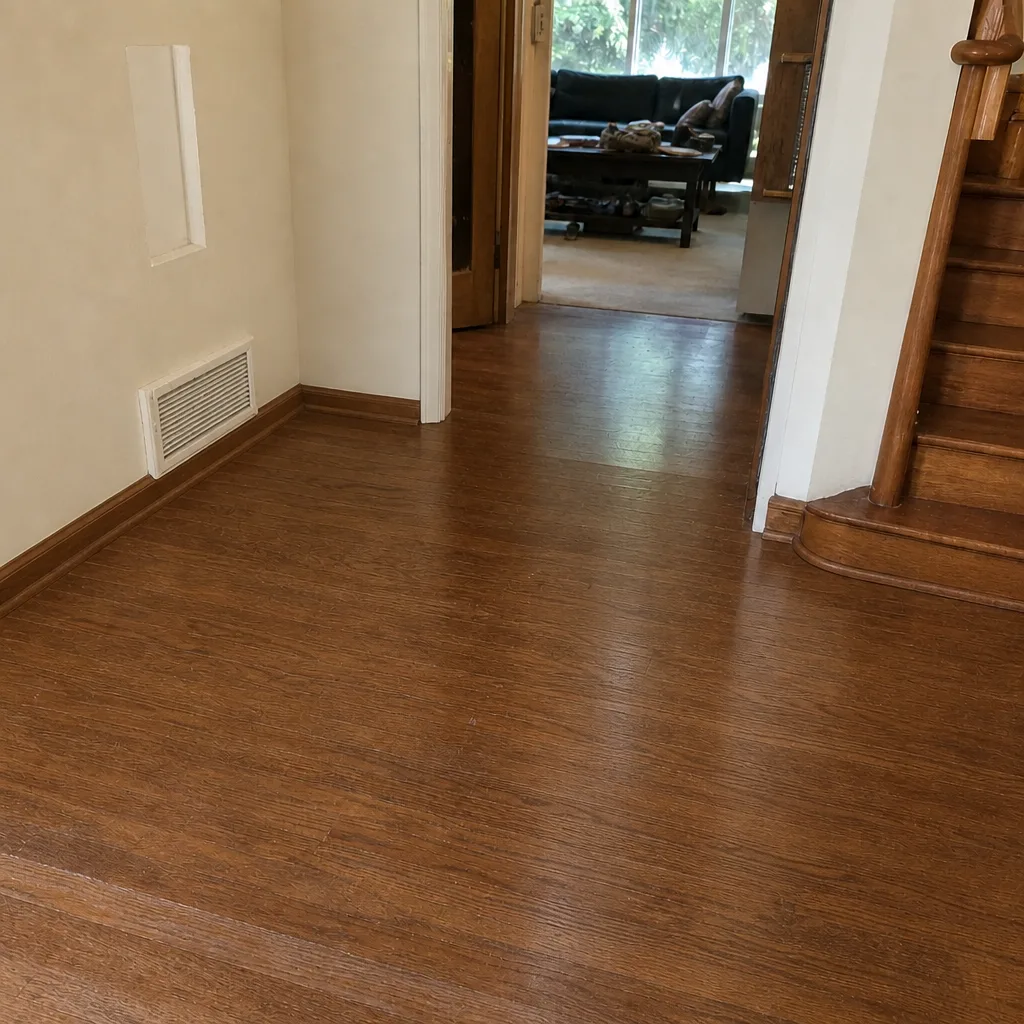 After