
Last updated November 25, 2026
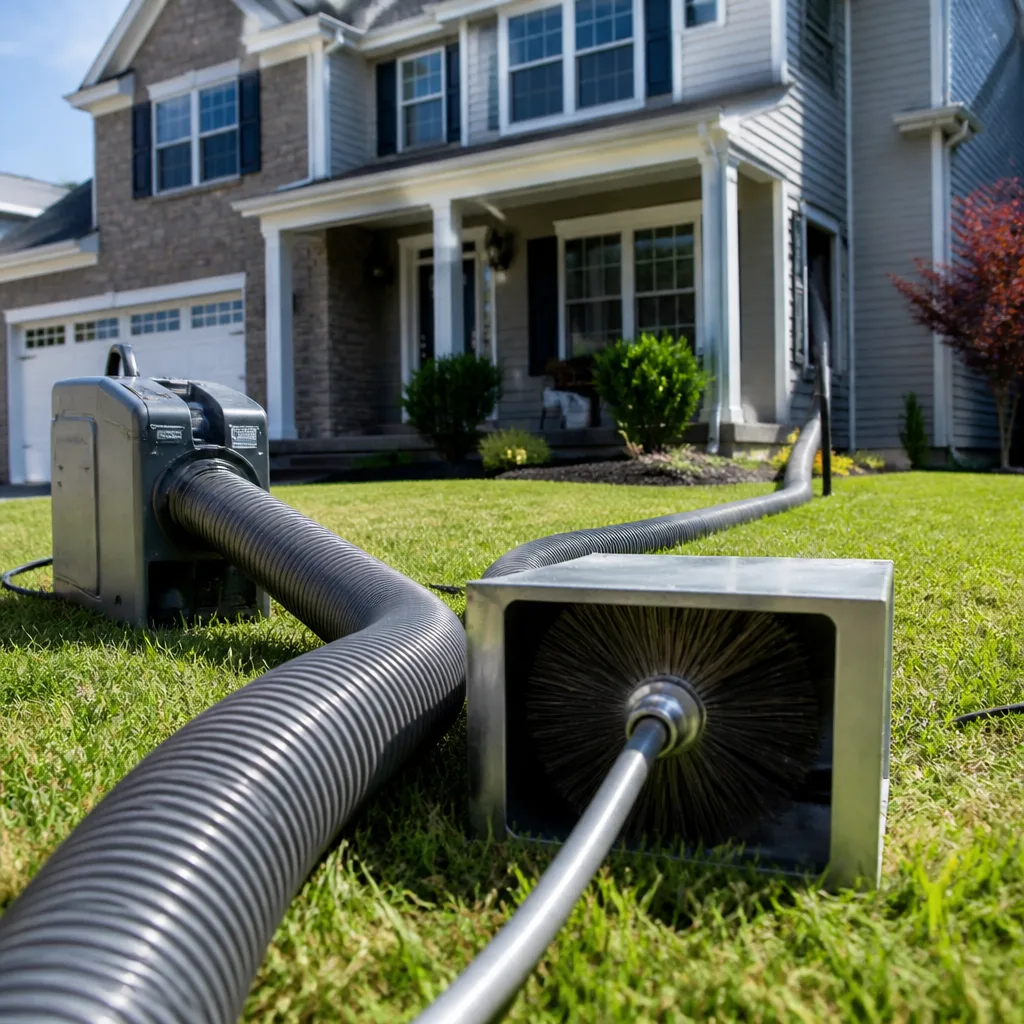 Whole-home duct cleaning
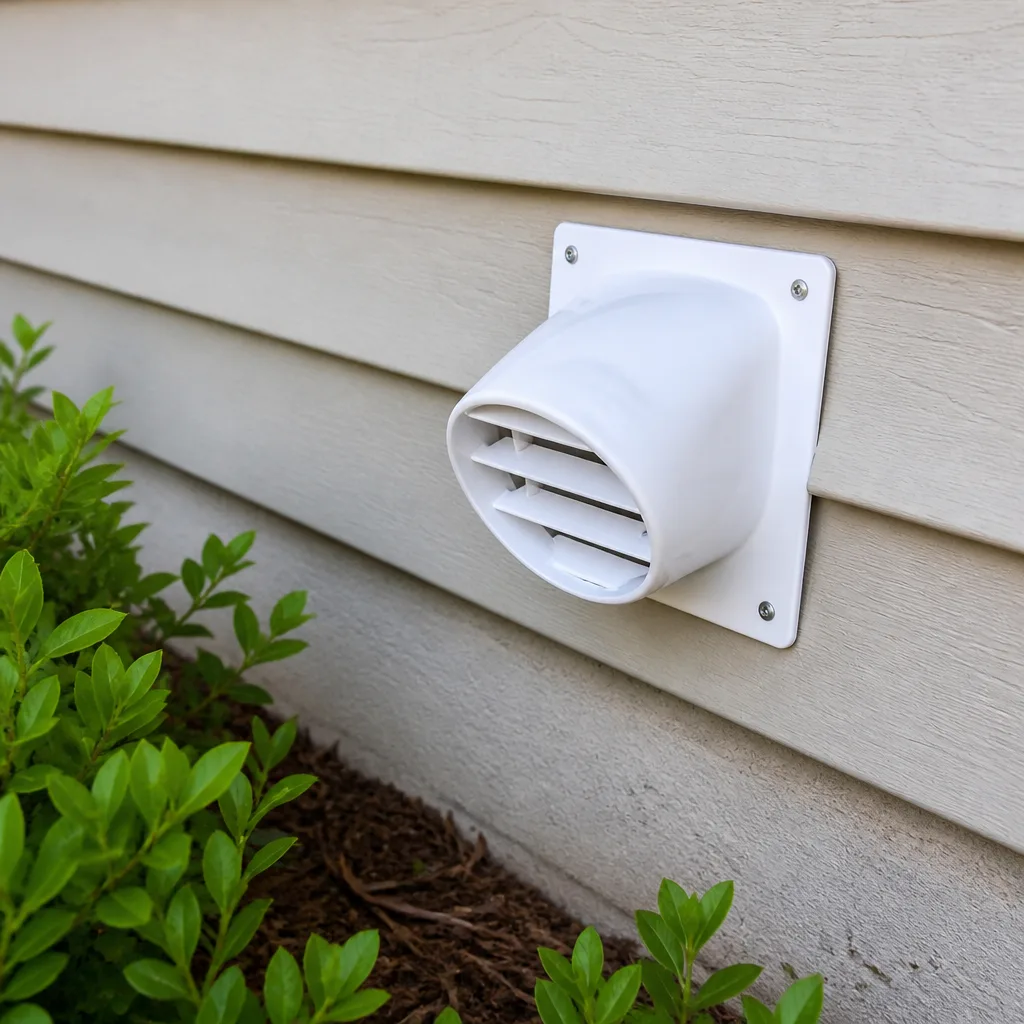 Dryer vent cleaning
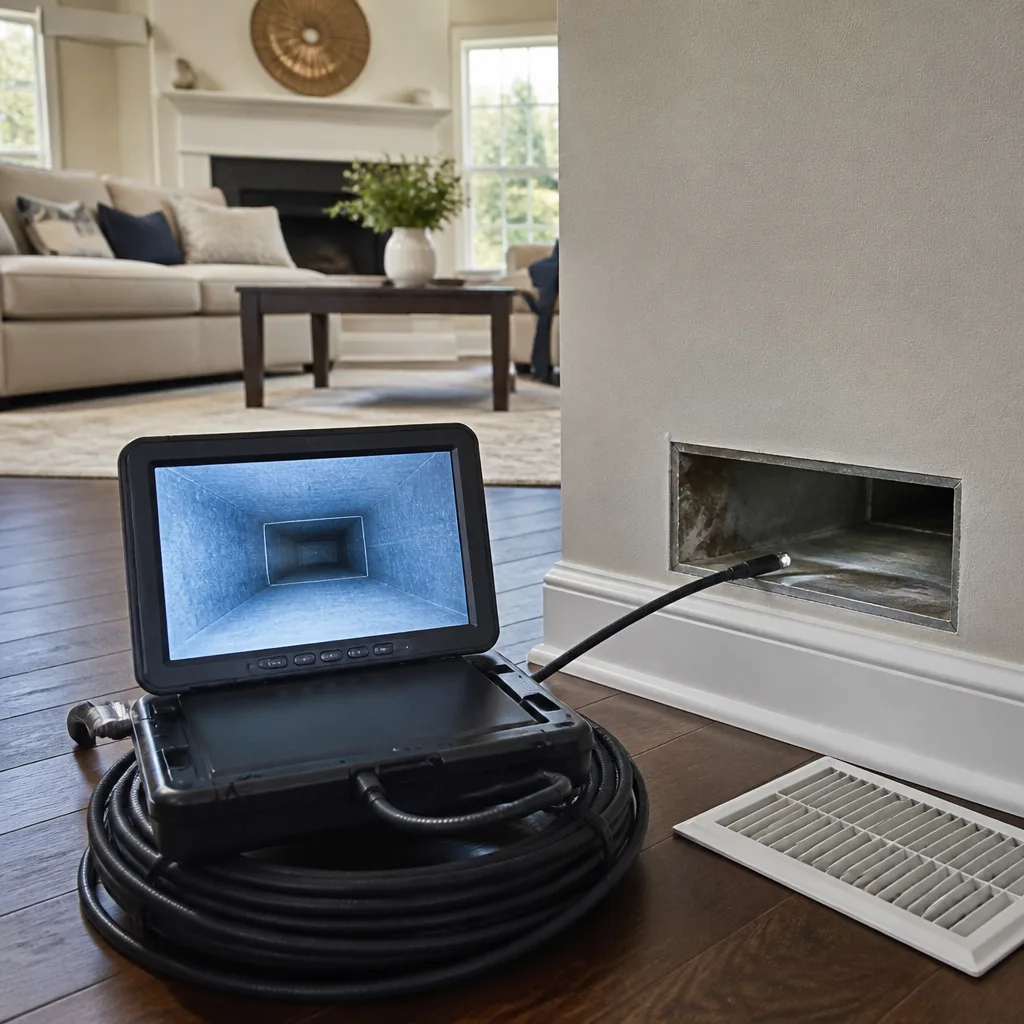 Camera inspection
 Sanitizing & deodorizing
Whole-system duct and dryer vent check with before-and-after photos - you see exactly what came out of your vents
That "$99 whole-house special" is a bait ad - the real number appears once they are in your hallway, or the "clean" is a shop-vac at the register. We photograph the inside of your ducts before and after instead.
How to Hire an Air Duct Cleaning Contractor in Auburn: A Step-by-Step Guide
Washington State doesn’t require a specific duct-cleaning license, which means the contractor charging $89 for a whole-house clean and the one charging $450 are operating under the same legal standing. The difference lives entirely in their equipment, their process, and their honesty. That’s an uncomfortable fact for homeowners who assume a license equals competence, and it’s the reason this guide exists. By the end, you’ll know exactly what to ask about equipment, how to read a quote for what’s missing rather than what’s printed, which credentials matter and which are just logos, and how to spot the bait-and-switch patterns that show up in Auburn and across South King County before you ever book a visit.
Quick Answer
To hire a duct cleaning contractor in Auburn, ask specific questions about equipment (truck-mount or portable, CFM rating, brush type), demand a pre-inspection before any flat-rate quote, verify NADCA membership as a baseline, get a written line-item estimate, and reference-check past customers on whether the quoted price held and whether they were shown before-and-after documentation. A low headline price without a pre-inspection is a sales tactic, not an estimate. The right contractor will answer every equipment question without hesitation and put the scope in writing before the work starts.
Styles & brands we work with
- Whole-home duct cleaning
- Dryer vent cleaning
- Camera inspection
- Sanitizing & deodorizing
Table of Contents
- Why Hiring for Duct Cleaning in Auburn Is Different
- The Equipment Questions That Reveal Real Capability
- How to Read a Duct Cleaning Quote Line by Line
- NADCA Membership: A Floor, Not a Ceiling
- Spotting the Bait-and-Switch Before You Book
- Reference-Check Questions That Actually Tell You Something
- Matching the Contractor to Auburn’s Housing Stock
- Why Full-Scope Capability Beats a Cleaning-Only Van
Why Hiring for Duct Cleaning in Auburn Is Different
Most home service trades carry a licensing or bonding requirement that functions as a basic filter. Plumbing, electrical, and gas work all have state-level credentialing that removes the most unqualified operators from the market before a homeowner ever has to think about it. Duct cleaning in Washington doesn’t work that way. There is no state-issued duct-cleaning license, which means a registration with the Department of Labor & Industries as a general contractor and a business license are effectively the entry ticket. Both the $89 operator and the $450 operator can produce those.
That changes the hiring calculus. In Auburn, you can’t lean on a license number as a proxy for quality. You have to evaluate the contractor on the things that actually determine whether the job gets done right:
- Equipment. What vacuum, what brush system, what containment.
- Process. Does a pre-inspection happen before the quote is finalized?
- Scope in writing. Are the line items specific or is it one flat price?
- Documentation. Will you see before-and-after photos of your own system?
- Repair capability. If the inspection finds a leak or a crushed run, can they fix it or do they just clean around it?
Auburn’s mix of older mid-century homes near downtown, newer construction out toward Lea Hill and the Muckleshoot area, and lots of homes that have been through at least one HVAC replacement means the equipment question isn’t academic. A portable unit that works fine on a short, straight run in a 1970s ranch may not move enough air to properly clean the longer flex runs common in later builds. The contractor who can explain why they bring what they bring is the contractor who has actually thought about it.
The Equipment Questions That Reveal Real Capability
Equipment is where the honest contractor separates from the marketing operation. Ask these questions directly on the phone before you book. A qualified contractor will answer all of them without hesitation. A sales operation will pivot to price or to a “limited-time special.”
1. Truck-mount or portable?
A truck-mounted vacuum pulls far more air than a portable unit and is what commercial HVAC contractors use for serious cleaning. Portables are legitimate for some jobs (condos, tight access), but a contractor running only portables on every job is telling you their equipment ceiling. In our experience, the right answer is “we bring what the job needs, and here’s why.”
2. What’s the CFM rating?
CFM (cubic feet per minute) is the air volume the vacuum moves. Higher isn’t automatically better, but a contractor who can’t tell you roughly what their unit pulls is either using consumer-grade equipment or doesn’t understand their own tools. Ask them to compare a truck-mount to a shop vac and see if the answer sounds informed.
3. What brush system do you use?
Rotary brush systems like Rotobrush’s are the professional standard for dislodging debris from duct walls. A whip or a manual brush is a different tool with a different ceiling. Ask which system they run and whether it’s contact-based (touches the duct wall) or air-only. Contact cleaning is where the debris actually comes off.
4. What kind of vacuum captures the debris?
HEPA-rated equipment like Nikro’s is the difference between extracting contaminants and redistributing them into your living space. Ask what happens to the dust once it leaves the duct.
5. What about containment for mold or heavy contamination?
If the inspection turns up microbial growth, containment equipment (Abatement Technologies is one of the recognized names) keeps the problem from spreading into the home during the work. A contractor who doesn’t have this will either ignore the growth or tell you it’s not a problem.
Record the answers. If you call three contractors and two can’t answer questions two through four, you’ve already narrowed the field.
How to Read a Duct Cleaning Quote Line by Line
A written quote should read like a scope of work, not a coupon. Here’s what to look for.
Line items that should always appear
- Number of supply and return runs being cleaned (counted, not estimated).
- Equipment description (truck-mount or portable, brush type, vacuum).
- Access and re-sealing method (how they get to the duct, how they close it back up).
- Pre-inspection findings (what they saw, what they recommend).
- Whether sanitizing is included or separate (and what product is used).
- Whether repair or sealing is needed and what that costs.
- Documentation commitment (before-and-after photos of your system).
- Total price and payment terms.
Red flags in the omission
A flat-rate whole-house price quoted over the phone, without a pre-inspection, is structurally problematic. It can’t account for a crushed flex run behind a finished ceiling, a disconnected joint in a crawlspace, or heavy contamination in one zone. Either the contractor pencils in the worst-case price (and you’re overpaying), or they quote low and add charges once the technician is on site (and the price walks). The honest path is a pre-inspection that sets the scope, then a written estimate that doesn’t move.
In Auburn specifically, pre-inspection matters because crawlspace and attic access varies so much between neighborhoods. A home in the older downtown core may have full basement access and short duct runs. A newer build on Lea Hill may run flex through a tighter attic with limited access panels. The quote should reflect what the contractor actually saw, not an average pulled out of a pricing sheet.
What the estimate should be
The estimate is free, the price is set per job, and the written estimate sets the final price. If a contractor won’t put that in writing, walk.
NADCA Membership: A Floor, Not a Ceiling
The National Air Duct Cleaners Association (NADCA) is the closest thing the industry has to a credentialing body. Membership is meaningful. It verifies that a contractor has signed on to a published standard of care (the NADCA Assessment, Cleaning, and Restoration standard), commits to a code of ethics, and has access to ongoing training.
What NADCA membership doesn’t do is certify actual job quality. It doesn’t audit every visit. It doesn’t guarantee the technician on your job has run a rotary brush before. It doesn’t tell you whether the contractor will document the work or just leave a receipt. Think of it as a floor. It removes some of the worst operators from consideration. It doesn’t rank the remaining ones.
How to use NADCA in your hiring decision
- Verify the membership. The NADCA directory is public. Confirm the company is listed.
- Ask about technician training. NADCA offers training and certification programs; ask whether the technicians on the job have been through them, not just whether the company is a member.
- Ask about the ACR standard. A serious contractor knows what the Assessment, Cleaning, and Restoration standard is and can explain how they follow it. A membership in name only won’t be able to.
- Ask what they do when the standard says the ducts don’t need cleaning. The scrupulous answer is “we tell you the ducts are fine and you owe us nothing beyond the inspection.” The other answer is a reason to keep calling.
At Auburn Air Duct Cleaning Co, we hold ourselves to the equipment and documentation side of the standard whether or not a homeowner ever asks. But the test for any contractor you’re considering is whether they can explain the standard without looking it up.
Spotting the Bait-and-Switch Before You Book
The bait-and-switch pattern in the Auburn and South King County market is consistent enough to describe. A “$99 whole-house special” (or “$89,” or “$129,” the figure moves) is quoted over the phone with no inspection, no equipment discussion, and no line items. The technician arrives with a portable unit. Mid-job, they find “heavy contamination” or “mold” or “a disconnected run” and quote the real price, often three to five times the headline. The homeowner is already committed, the equipment is already in the house, and the pressure to authorize the upcharge is real.
Here’s how to spot it before you book.
Warning signs on the phone
- The price is quoted before any questions are asked about your home.
- The price is dramatically lower than other quotes you’ve gathered.
- The contractor can’t or won’t discuss equipment.
- “Today only” or “this special expires” language.
- No mention of a pre-inspection.
- Pressure to book without a written estimate.
Warning signs on the day
- The technician arrives with portable equipment after you were told truck-mount.
- The scope of work changes mid-job with new charges.
- You’re told the problem is worse than expected, with no photos or inspection documentation to back it up.
- No before-and-after photos are offered, or they show generic ducts that could be from any home.
The honest version of the job is boring by comparison. The contractor inspects, writes an estimate with line items, agrees the price before the work starts, performs the work, and shows you photos of your own system when they’re done. That’s the standard to hold every quote against.
Reference-Check Questions That Actually Tell You Something
“Were you happy with the service?” is a useless question. It invites a polite yes and tells you nothing about whether the contractor did what they said they’d do. Ask reference questions that force specifics.
The seven questions worth asking
- Did the final price match the written estimate? If it moved, why?
- Did the technician show you before-and-after photos of your own ducts? Not stock photos. Yours.
- Did they do a pre-inspection before quoting, or quote over the phone?
- What equipment did they bring? (Most customers won’t know the specifics, but they’ll remember whether it was a portable machine or something hooked up outside.)
- Did the air quality in the home change in the weeks after the cleaning? For allergy sufferers or people who just finished a remodel, this is the real outcome measure.
- Did they find anything that needed repair or sealing, and did they fix it or refer you elsewhere?
- Would you hire them again for the same job at the same price?
If a contractor can’t or won’t put you in touch with past Auburn customers who can answer those, that’s the answer. Real references come from real jobs and are specific.
Matching the Contractor to Auburn’s Housing Stock
Auburn isn’t one housing market. The contractor who can talk about what they bring to different home types has actually worked the area. The contractor who brings the same setup to every job has a script.
What varies across Auburn
- Older downtown-area homes often have shorter, wider duct runs and accessible crawlspaces or basements. The cleaning itself is usually straightforward, but deferred maintenance on returns and boots is common.
- Mid-century builds frequently show disconnected joints in the crawlspace, especially where flex has been retrofitted into older rigid runs.
- Newer construction on Lea Hill and the eastern edges leans heavily on flex duct through tight attic spaces. Access panels matter, and a portable unit may struggle to reach the far zones.
- Homes that have been through at least one HVAC replacement often have a mixed system: original rigid trunk with newer flex branches. The contractor needs to be able to clean both without damaging either.
Washington’s damp fall and winter also means the crawlspace and attic environments where ducts run are often humid. If a contractor finds mold or microbial growth during the pre-inspection, the work isn’t just “clean it.” It’s containment, remediation of the affected run, and sanitizing. Guardsman-grade sanitizing treatments address the microbial load; cleaning alone doesn’t. The contractor who tells you sanitizing is included in every job without checking is either guessing or upselling. The right answer depends on what the inspection finds.
Auburn’s varied housing also means duct repair and sealing capability matters more than most homeowners expect. Leaking joints and disconnected runs are common in older homes, and if the contractor can’t seal them, the cleaning gets undone by the next season’s dust. A full-scope contractor identifies the leak during inspection and fixes it, rather than cleaning around it and leaving you to call someone else.
Why Full-Scope Capability Beats a Cleaning-Only Van
A cleaning-only operation does one thing. That’s fine if cleaning is genuinely all your system needs. It’s a problem when the inspection turns up something else, which in Auburn it often does. Duct repair, sealing, sanitizing, HVAC coil cleaning, and dryer vent cleaning all live adjacent to duct cleaning for a reason: they’re the work that duct cleaning reveals a need for.
Consider what a full-scope visit can cover:
- Air duct cleaning – the base service, done with professional equipment.
- HVAC cleaning – the air handler, coil, and blower that push air into the ducts you just cleaned.
- Duct repair and sealing – fixing the leaks the inspection found.
- Air quality and sanitizing – treating microbial contamination and, if the homeowner wants long-term filtration, integrating products from Honeywell or Aprilaire post-cleaning.
- Dryer vent cleaning – a safety service most duct-only contractors don’t offer.
The value isn’t that everything gets done in one visit. It’s that the assessment is whole-system, so the recommendation is honest. A cleaning-only contractor can only recommend cleaning, and a cleaning-only contractor who finds a repair problem will either ignore it or subcontract it. A full-scope contractor sees the whole picture and gives you an estimate that reflects what the system actually needs.
If you want to understand what air duct cleaning involves in practice at a professional level, that page goes deeper on the process than this guide can. If your home has a dryer that’s been running hot or taking longer to dry, dryer vent cleaning is worth scheduling alongside the duct work. And if you’ve just had an HVAC replacement or a major remodel, HVAC cleaning is the parallel service to ask about, since the air handler is where post-renovation dust tends to settle.
Common Mistakes to Avoid
- Booking on price alone. The lowest quote in Auburn is almost always the quote that moves once the technician is on site. Anchor on scope and documentation instead, and let the price land where it lands.
- Skipping the pre-inspection. A quote without a pre-inspection is a guess. The contractor hasn’t seen your ducts, doesn’t know your home, and hasn’t counted your runs. Insist on the inspection before the estimate.
- Not asking what equipment will show up. If you were told truck-mount and a portable unit arrives, that’s a red flag, not a nuisance. The equipment determines the quality of the clean.
- Assuming a license means quality. Washington doesn’t require a specific duct-cleaning license. A registration and a business license are the entry fee, not a quality signal. Evaluate the contractor on equipment, process, and references.
- Accepting “sanitizing” as a throw-in without specifics. Ask what product, what certification, and whether it’s appropriate for your system. A throw-in is usually a smell, not a treatment.
- Not asking for before-and-after photos. The easiest way to confirm the work happened is to see your own ducts before and after. A contractor who won’t document the job hasn’t done the job you can verify.
- Hiring a cleaning-only operation when repair is needed. If the inspection finds a leak or a disconnected run, the clean gets undone. The contractor who can fix it is doing you a bigger favor than the one who cleans around it.
See the difference
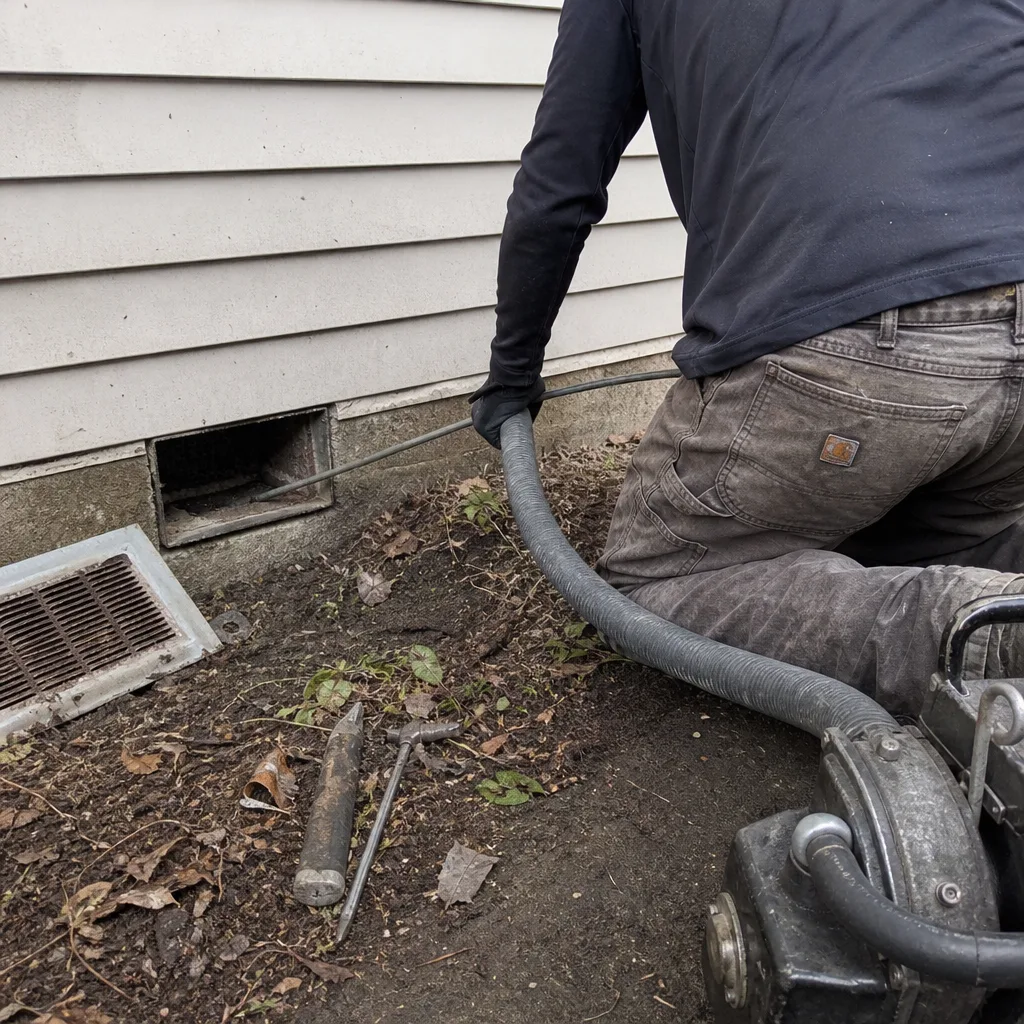 Before
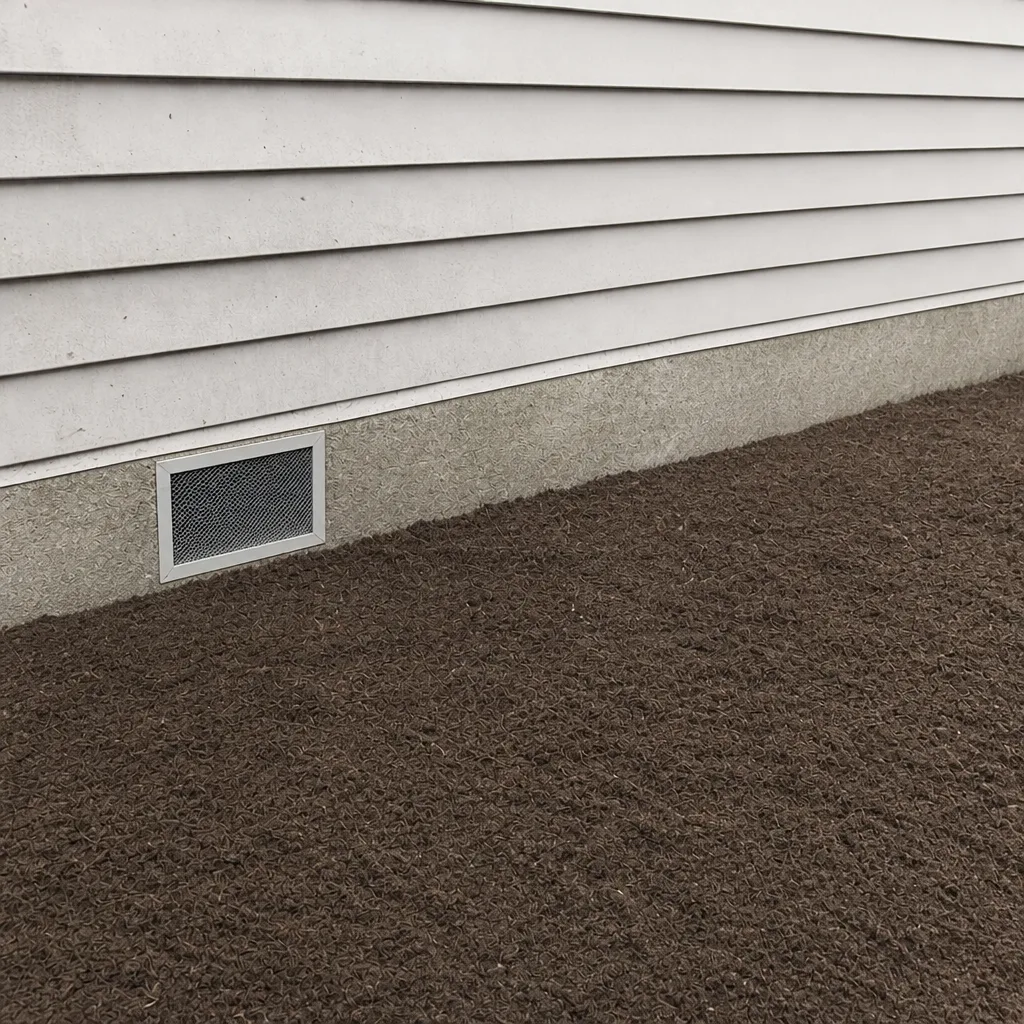 After
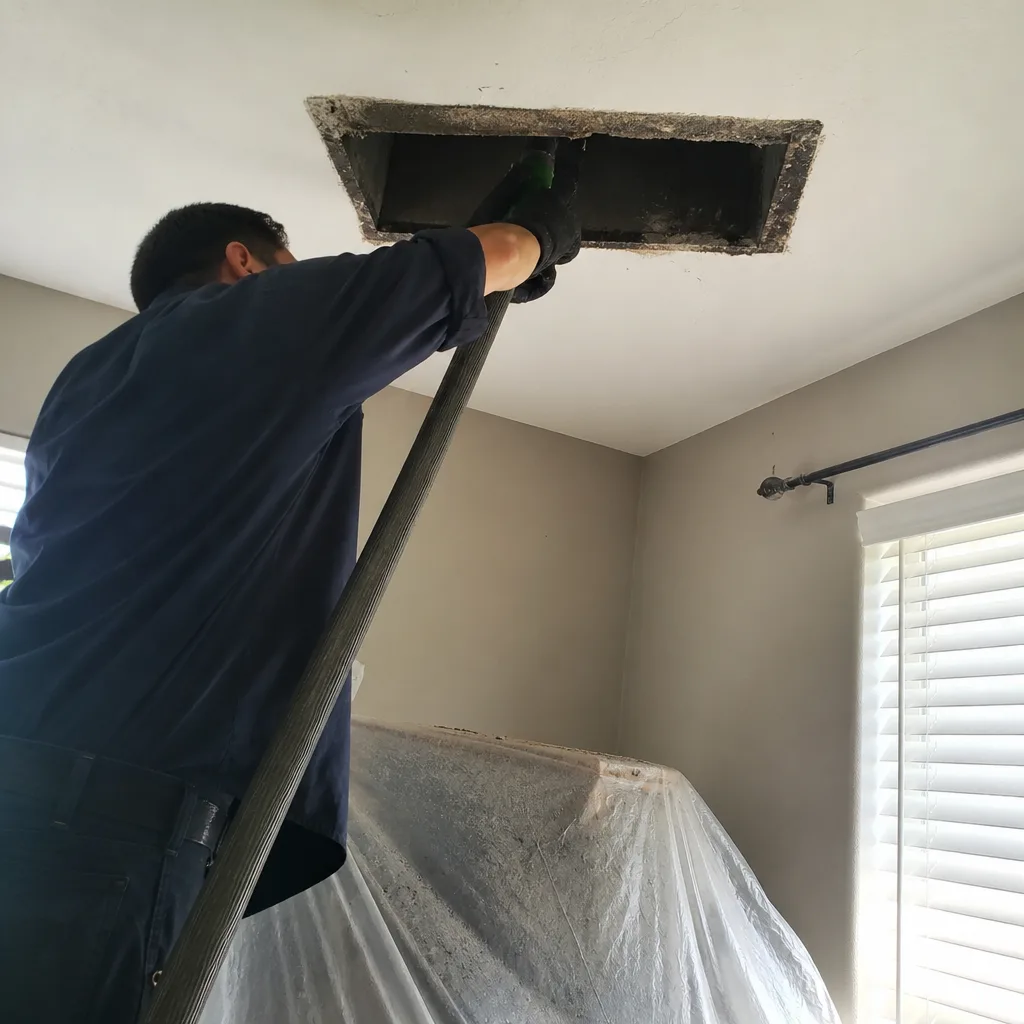 Before
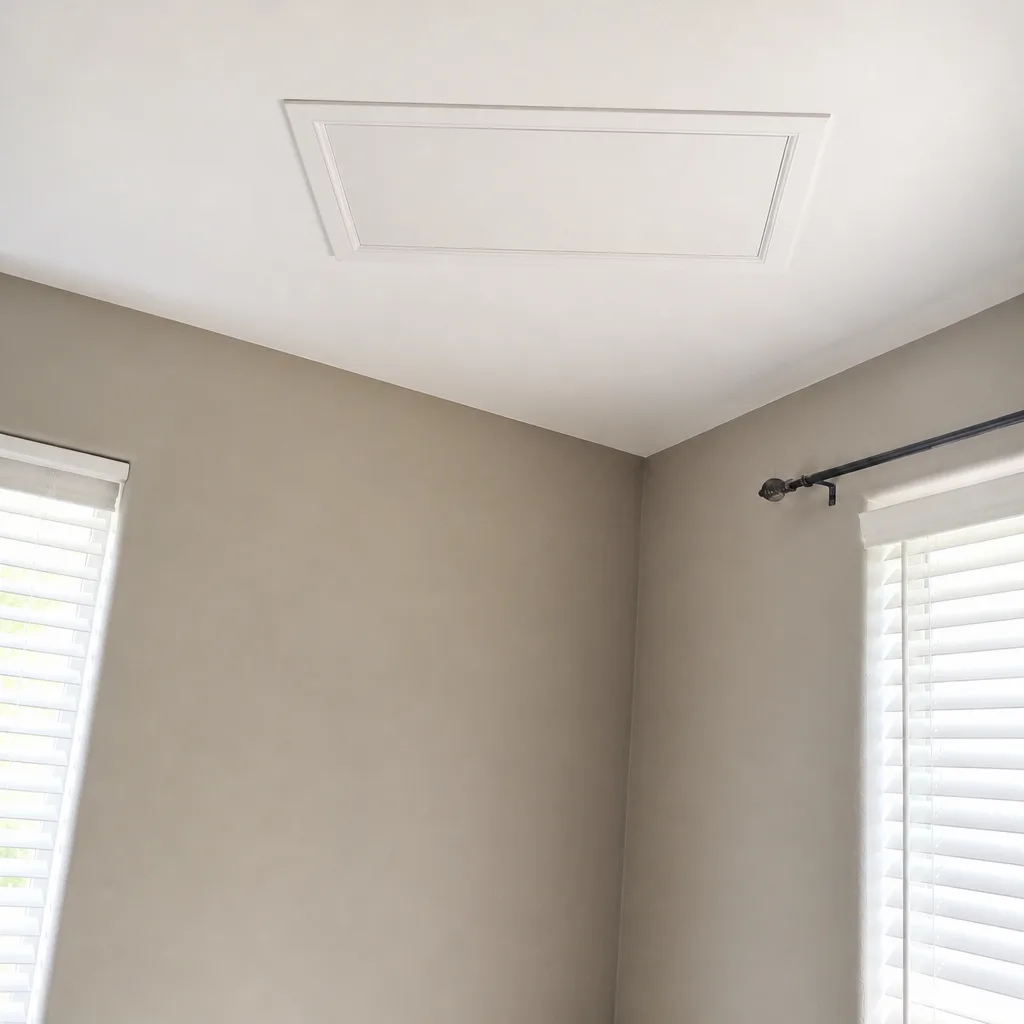 After
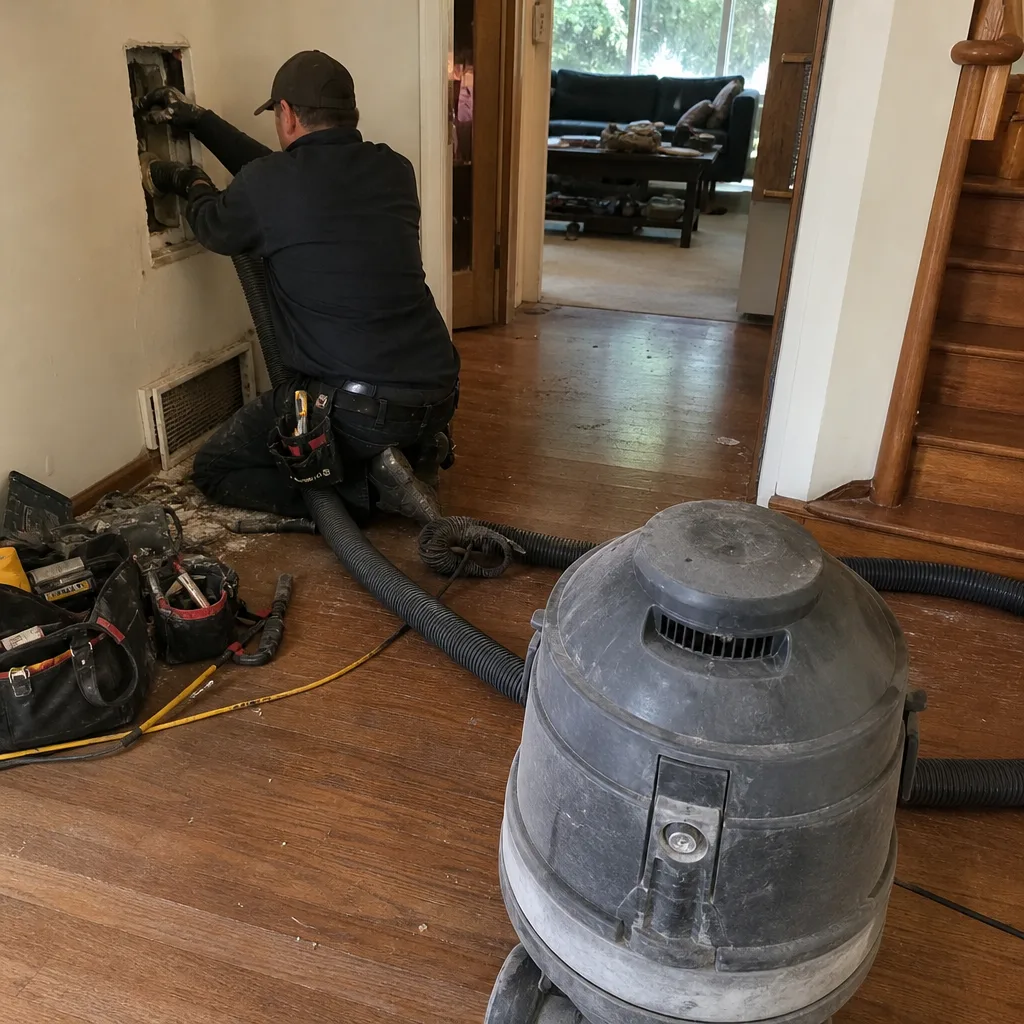 Before
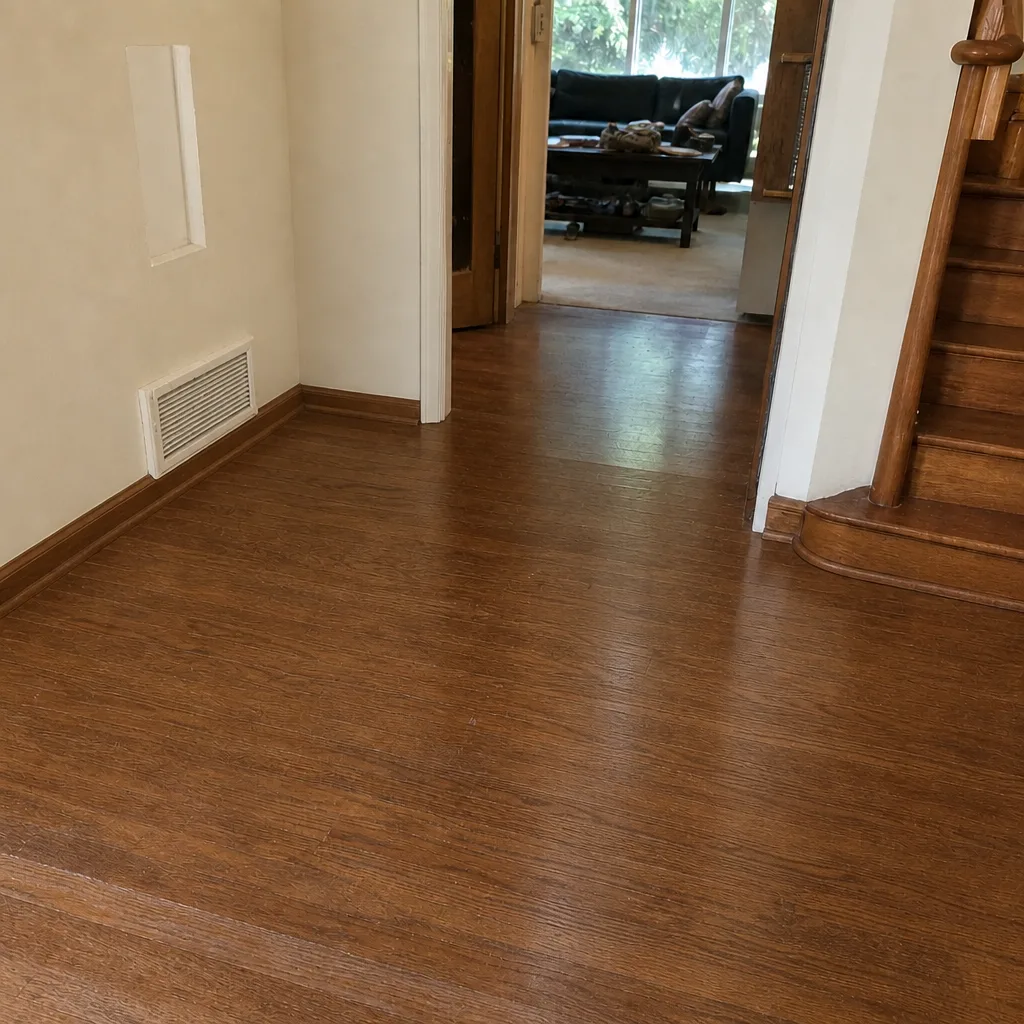 After
When to Call a Professional
Some duct cleaning is preventive; some is corrective. The preventive case is routine: the system has run for years without a cleaning, the home has had a renovation or a new HVAC install, or you’ve just bought a house and want to know what’s in the ducts before you move in. The corrective case is triggering: someone in the home has developed respiratory symptoms that seem tied to indoor air quality, visible dust is collecting around return grilles and boots, musty odors follow the HVAC cycle, or a pest or water intrusion has happened somewhere in the system. None of these are DIY-friendly when the system actually needs the work done right. The equipment is the reason. A shop vac doesn’t have the airflow to extract the debris, and it doesn’t have the containment to keep what it dislodges out of your living room.
Auburn Air Duct Cleaning Co offers free estimates in Auburn – call (877) 792-5686. We’ll do the pre-inspection, put the scope in writing, and give you a price that holds.
Frequently Asked Questions
Air duct cleaning in Auburn typically runs in the low-to-mid hundreds for a whole-house clean, with the final price set per job based on how many runs the pre-inspection counts, what equipment the job calls for, and whether repair, sealing, or sanitizing is needed. Beware of quotes far below that range, especially ones given without a pre-inspection. Call (877) 792-5686 for an exact quote – estimates are free.
Cheap quotes are usually teaser prices that move once the technician is on site, or they’re built on portable equipment and a partial clean. A whole-house clean with a truck-mount vacuum, contact brushes, and HEPA-rated extraction costs more to deliver, and the honest contractor prices it up front. The cheaper quote isn’t wrong. It’s a different job. Call (877) 792-5686 to compare against a real written estimate.
Ask for before-and-after photos of your own system, taken during the job. The photos should show your ducts, not a stock gallery. A contractor who documents the work at the start and end is a contractor who’ll stand behind it. Call (877) 792-5686 to schedule a documented visit.
Most homes don’t need it every year. The honest answer is that it depends on the home: recent renovations, HVAC replacements, pets, allergies, water intrusion, or a long stretch without a cleaning all change the recommendation. A contractor who tells you it’s annual without looking at your system is selling a subscription, not a service. Call (877) 792-5686 to schedule a pre-inspection and get a real recommendation.
Washington doesn’t require a specific duct-cleaning license, so a contractor’s registration and business license are the entry ticket, not a quality signal. That’s why equipment, pre-inspection, written scope, and references matter more here than they do in trades with tighter licensing. Call (877) 792-5686 to ask us any of the equipment questions from this guide directly.
We work with homeowners and property managers across Auburn, from the older downtown-area homes to newer construction out toward Lea Hill and the eastern edges of the city. South King County addresses are common in our schedule. Call (877) 792-5686 to confirm your address and book a free estimate.
The Bottom Line
Hiring a duct cleaning contractor in Auburn comes down to reading the contractor, not the license. Washington doesn’t require a specific duct-cleaning credential, which means the only reliable filter is the one you apply yourself: ask hard equipment questions, insist on a pre-inspection, demand a written line-item estimate, verify NADCA membership as a baseline but not a guarantee, and reference-check past customers on whether the price held and whether they saw before-and-after documentation. The contractor who answers all of that without hesitation is the one to hire. The contractor who pivots to a coupon is the one to skip.
If you want to talk through the equipment questions from this guide with a contractor who’ll answer them, call (877) 792-5686. We answer 24/7. Fast dispatch from 7am to 7pm, Sunday through Friday. Estimates are free, the price is set per job by the written estimate, and you’ll see the before-and-after photos of your own ducts when the work is done. Auburn Air Duct Cleaning Co handles the full scope, from air duct cleaning through repair, sealing, and sanitizing, so you don’t have to call a second contractor when the inspection finds something the first one can’t fix. For a broader look at what we do and how we work, see Auburn Air Duct Cleaning Co.
Written by the team at Auburn Air Duct Cleaning Co.